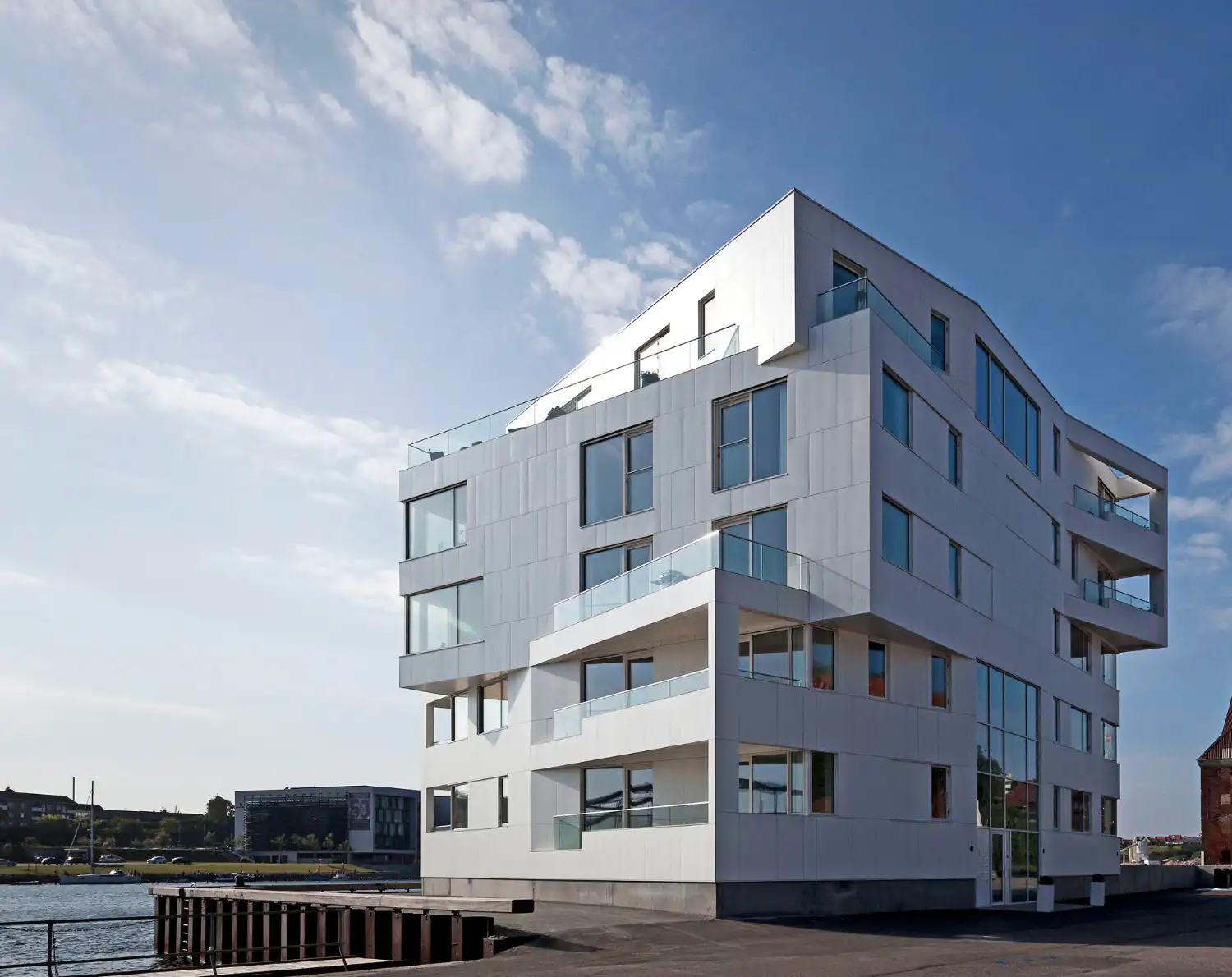
Aluminum cladding has become a preferred exterior façade solution for projects that demand durability, performance, and architectural flexibility. As modern buildings increasingly prioritize sustainable materials, low-maintenance systems, and long-term value, aluminum cladding continues to stand out as one of the most reliable and visually versatile options available.
From commercial developments and institutional buildings to multifamily properties and luxury residential projects, aluminum cladding offers the ideal balance of design freedom and construction efficiency.
In this guide, we explore the key benefits of aluminum cladding and why it remains a leading specification for today’s exterior building envelopes.
Available in a wide range of profiles, textures, colors, and finishes, aluminum cladding can support contemporary, industrial, and traditional architectural styles alike.
It is commonly used in:
Its versatility makes it one of the most specified façade materials for both new construction and renovation projects.
For project teams, specifying a façade system that performs consistently over time helps reduce maintenance costs, callbacks, and long-term ownership concerns. One of the biggest advantages of aluminum cladding is its ability to perform in harsh environmental conditions.
Unlike wood, aluminum does not rot, crack, warp, or attract pests. Unlike some steel systems, it offers strong corrosion resistance, especially when finished with high-performance coatings such as PVDF or DFV finishes.
This makes aluminum cladding particularly valuable for projects exposed to:
Compared to heavier façade materials like fiber cement, precast concrete, brick, or masonry systems, aluminum cladding is significantly lighter.
This creates major construction advantages:
Lighter systems improve scheduling efficiency and can reduce overall project costs without sacrificing performance or aesthetics.
This is especially valuable for retrofit projects and buildings where minimizing structural load is a priority.
One of the strongest reasons aluminum cladding is widely specified is its exceptional design versatility.
Available options include:
Aluminum cladding can be paired seamlessly with glass, stone, concrete, brick, and other façade materials to create bold and highly customized building envelopes.
Whether the goal is a sleek corporate office, a hospitality project, or a warm mixed-use residential development, aluminum cladding supports strong architectural expression without compromising durability.
Building owners increasingly prioritize materials that require minimal upkeep, and aluminum cladding performs exceptionally well in this category.
Unlike natural wood cladding that requires frequent sealing, repainting, or replacement, aluminum cladding typically requires only periodic cleaning to maintain both appearance and performance.
Benefits include:
This helps preserve the original design intent while reducing long-term operational costs for owners.
Sustainability has become a major driver in modern façade specification.
Aluminum is one of the most recyclable building materials available. Many aluminum cladding systems include recycled content and can be fully recycled at the end of their service life.
Environmental advantages include:
For teams focused on ESG performance and environmentally responsible construction, aluminum cladding aligns with both sustainability targets and long-term durability.
Exterior wall safety is a major concern for commercial and multifamily developments, especially when evaluating façade materials.
Aluminum is non-combustible, making it a strong option for projects where fire performance is critical.
This is especially important for:
Strong fire performance supports safer buildings while simplifying code compliance and specification decisions.
While upfront material cost always matters, the best façade decisions are based on lifecycle value—not just initial pricing.
Aluminum cladding offers strong return on investment through:
This creates better predictability for owners and stronger long-term project outcomes overall.
Aluminum cladding is often considered the better choice when durability, weight, and long-term maintenance are priorities. It is significantly lighter than fiber cement, which makes installation faster and reduces structural load. Aluminum also resists moisture, corrosion, and cracking, while fiber cement can be more susceptible to chipping and requires more careful handling on site. In terms of maintenance, aluminum typically outperforms fiber cement because it does not need repainting and holds its finish longer. However, fiber cement can be more cost-effective upfront and may be preferred for certain traditional aesthetics. The best option ultimately depends on project goals, budget, and performance requirements.
The main difference lies in the material composition and performance.
While ACM panels are easier to fabricate and ideal for complex shapes, they require careful specification for fire performance. Solid aluminum cladding is generally preferred for projects where non-combustibility, longevity, and low maintenance are the top priorities.
Aluminum cladding is known for its long lifespan, often lasting 40 to 60 years or more when properly specified and installed. High-performance finishes such as aluminum cladding powder coating and PVDF coating help protect against fading, chalking, and corrosion, allowing the material to maintain its appearance over time. Because aluminum does not rot, warp, or attract pests, it requires minimal maintenance throughout its lifecycle. In many cases, the cladding system will outlast other building components, making it a strong long-term investment.
Yes, aluminum cladding is considered non-combustible, which makes it a strong choice for projects where fire performance is critical. Solid aluminum systems do not contribute to fire spread, and many are classified to meet stringent building code requirements. This makes aluminum cladding suitable for high-rise buildings, multifamily developments, healthcare facilities, and educational projects. However, it’s important to distinguish between solid aluminum cladding and aluminum composite materials (ACM), as ACM panels may contain cores with different fire ratings depending on the specification.
Choosing the right aluminum cladding manufacturer is just as important as selecting the material itself. While many systems offer similar visual appeal, performance can vary significantly in areas like fire resistance, finish durability, installation efficiency, warranty coverage, and long-term maintenance. Manufacturers such as ForMe, Dizal, Knotwood, Longboard, Lumabuilt, and Metalworks each bring different strengths depending on project goals, whether the priority is premium wood-look aesthetics, contractor-friendly installation, rainscreen performance, or large-scale commercial façade design. Comparing these systems side by side helps architects, designers, and builders make smarter specification decisions based on both design intent and building performance.
| Attribute | ForMe Aluminum Cladding | Dizal Aluminum Cladding | Knotwood Aluminum Cladding | Longboard Aluminum Cladding | Lumabuilt Aluminum Cladding | Metalworks Panels |
|---|---|---|---|---|---|---|
| Primary Material | 100% extruded aluminum | Aluminum plate / architectural aluminum | Powder-coated aluminum extrusion | Extruded aluminum | Aluminum panel + batten systems | Pre-finished metal panel systems |
| Best For | Luxury façades, battens, soffits, wood-look cladding | Premium commercial façades + custom feature walls | Residential + mixed-use wood-look applications | Hospitality + premium commercial façades | Contemporary rainscreen façades | Contractor-driven commercial envelopes |
| Finish Options | Woodgrain, stone, marble, corten, RAL colors | Deep-grain wood, anodized, custom finishes | Woodgrain powder coat finishes | Architectural woodgrain finishes | Matte, metallic, wood-look finishes | PVDF/Kynar colors |
| Fire Performance | Resistant to fire A2 S2 | Strong non-combustible aluminum system | Non-combustible aluminum | Non-combustible aluminum system | Non-combustible aluminum | Non-combustible metal |
| Installation | Interlocking concealed fixing | Rainscreen engineered attachment | Modular snap-fit systems | Clip-based siding system | Panel + rainscreen system | Contractor-friendly field install |
| Maintenance | Very low | Very low | Low | Very low | Low | Low |
| Sustainability | 100% recyclable, endless lifecycle | Recyclable architectural aluminum | Recyclable aluminum | Recyclable aluminum | Recyclable metal system | Recyclable metal |
| Warranty | 15-year finish warranty | Varies by specification | Varies by finish | Strong finish warranty programs | Varies by system | Varies by manufacturer |
| Biggest Advantage | Premium realism without wood maintenance | Deep custom texture + façade expression | Easy residential specification | Premium appearance + code compliance | Design flexibility | Fast installation + practical value |
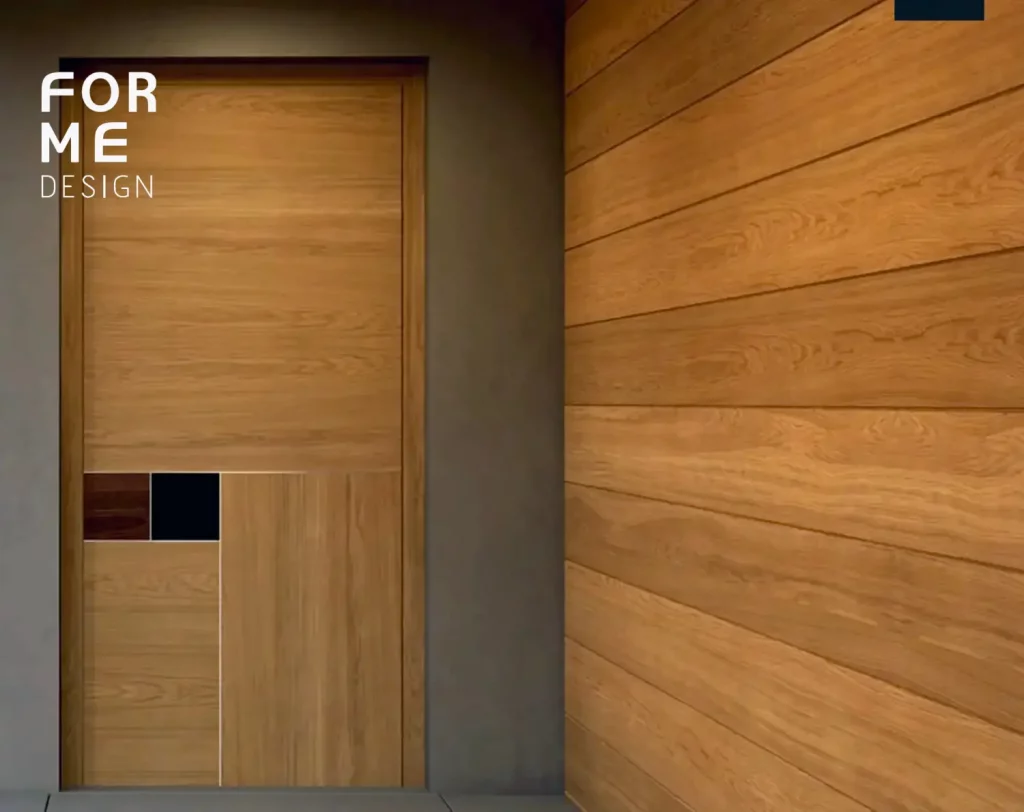
ForMe aluminum cladding delivers the ideal balance of performance, aesthetics, and long-term value for modern façade design. Made from 100% extruded aluminum, the system is lightweight, weather-resistant, and highly durable, making it an excellent choice for both exterior façades and interior wall applications. Its ventilated façade design helps protect against moisture while improving thermal efficiency. The non-combustible material offers a very limited contribution to fire, supporting safer building performance.
Unlike traditional wood cladding, ForMe aluminum cladding resists warping, corrosion, and constant maintenance, while its modular interlocking installation system enables faster, more efficient construction. Architects benefit from exceptional design flexibility, with DFV finishes that realistically replicate wood, stone, marble, corten steel, and other natural materials, allowing projects to achieve premium aesthetics without sacrificing durability or sustainability. Because aluminum is fully recyclable and designed for an endless life cycle, ForMe cladding also supports green building goals and long-term environmental performance.
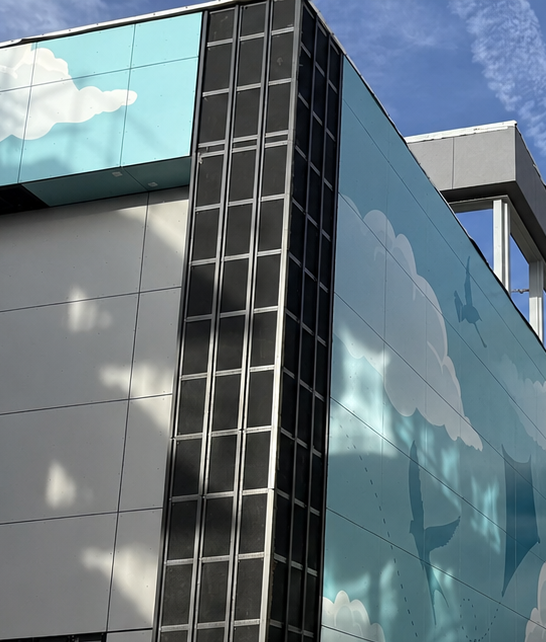

Many Steni Colours are also available with a Dark Core finish.
Would you like to add a sample of Cladding, Battens 50, or a Battens Light profile to your order? Please select below.
"*" indicates required fields