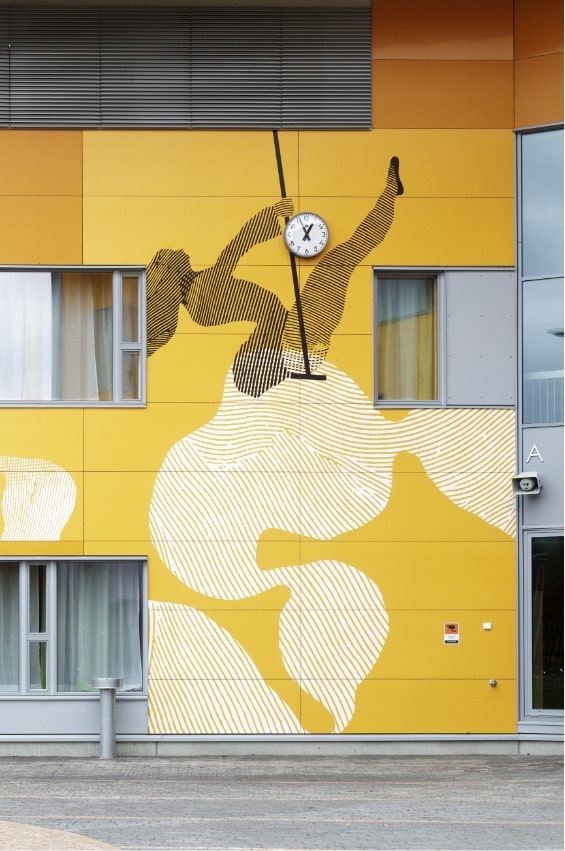
Buildings and construction account for nearly 40% of global carbon emissions. Buildings built in the coming years will likely be standing in 2050, and may contribute at least 11% of current emissions.
While the construction industry shifts toward more sustainable practices, reducing embodied carbon is a critical goal. Unlike operational carbon, which refers to emissions from energy use during a building’s life, embodied carbon encompasses the greenhouse gas (GHG) emissions associated with the extraction, manufacturing, transportation, installation, and disposal of building materials.
Here’s how to reduce embodied carbon with Omnis products.
Renovating instead of demolishing preserves the embodied carbon already invested in a structure. Even selectively reusing components, like steel beams, bricks, or aluminum framing, can dramatically cut emissions compared to new builds.
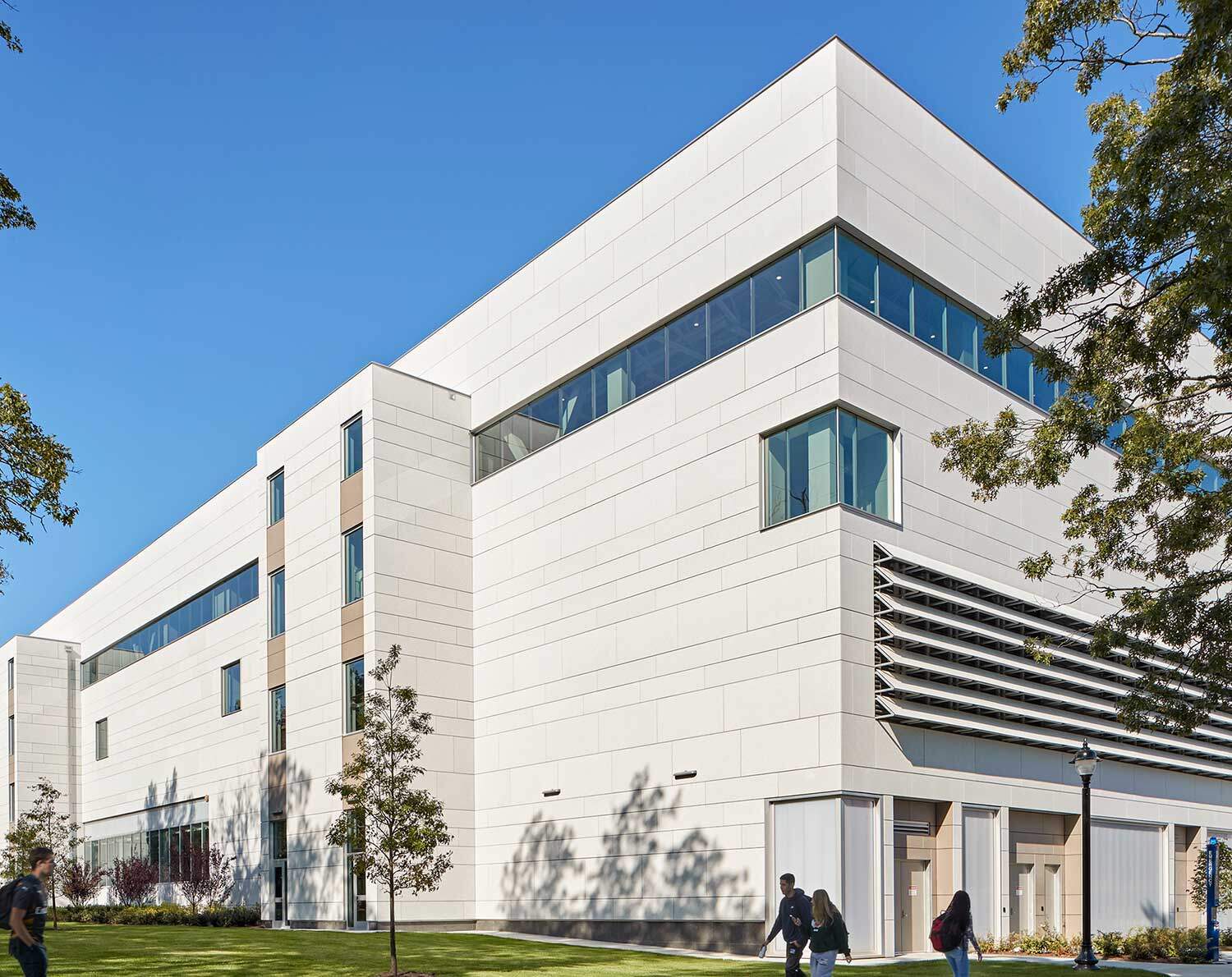
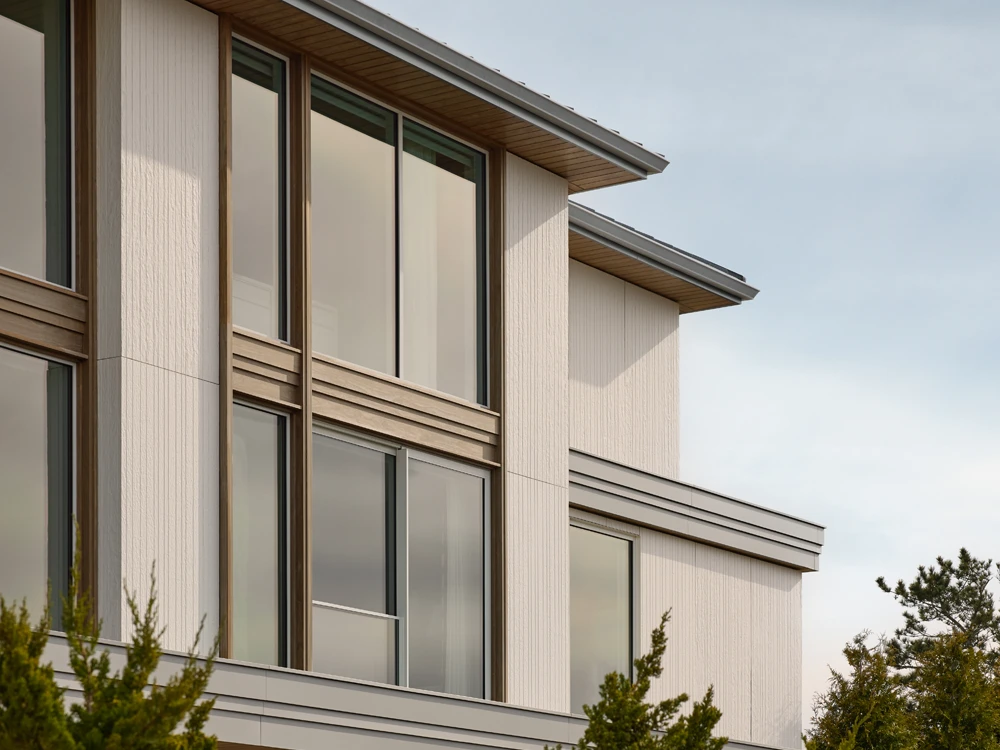
Steni Composite Stone Panels incorporates sustainability in the production, processes, and distribution of its rainscreen panels by minimizing the negative environmental impact. With low environmental impact, outstanding durability, and a 60-year warranty, Steni combines aesthetics and functionality with environmental responsibility.
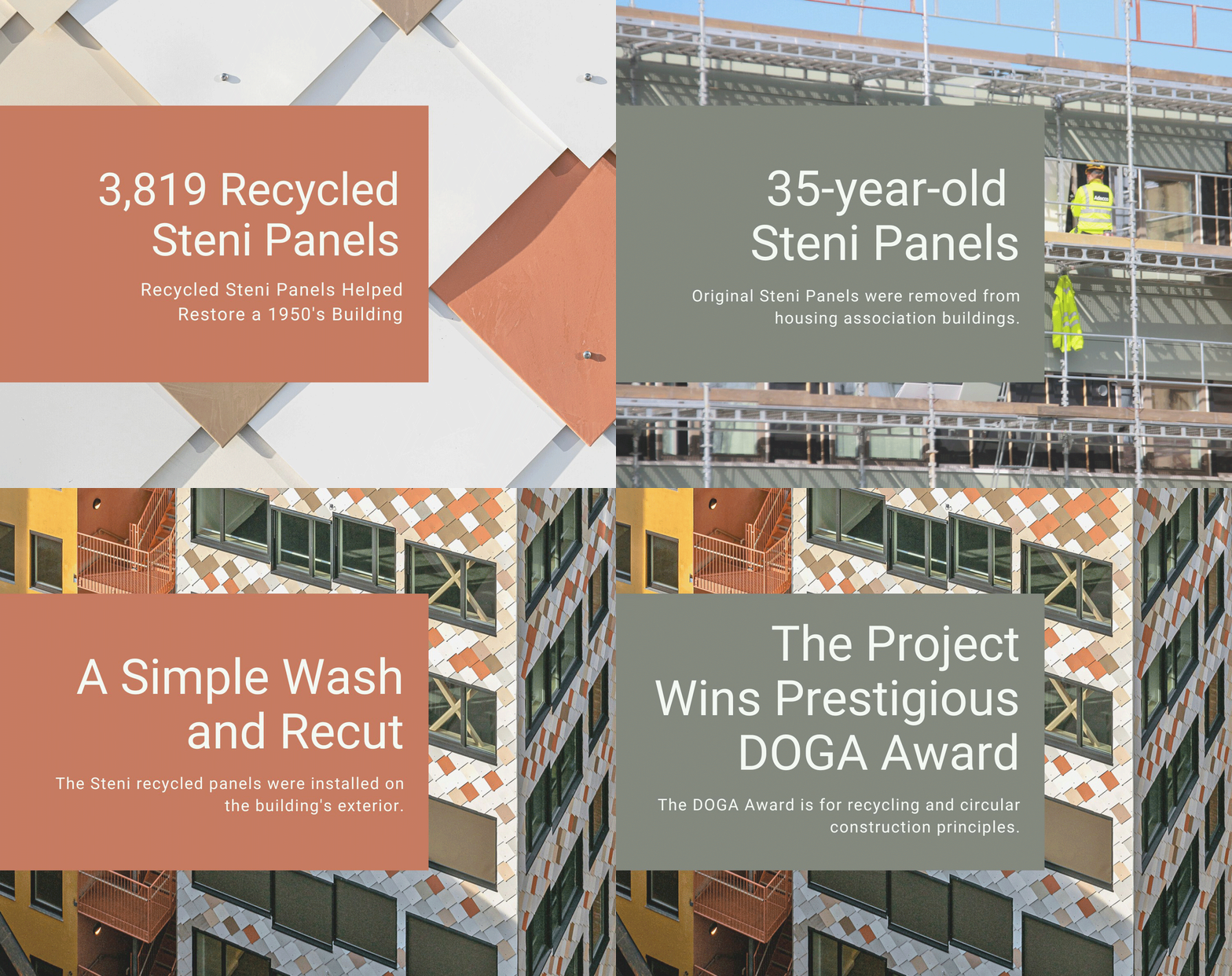
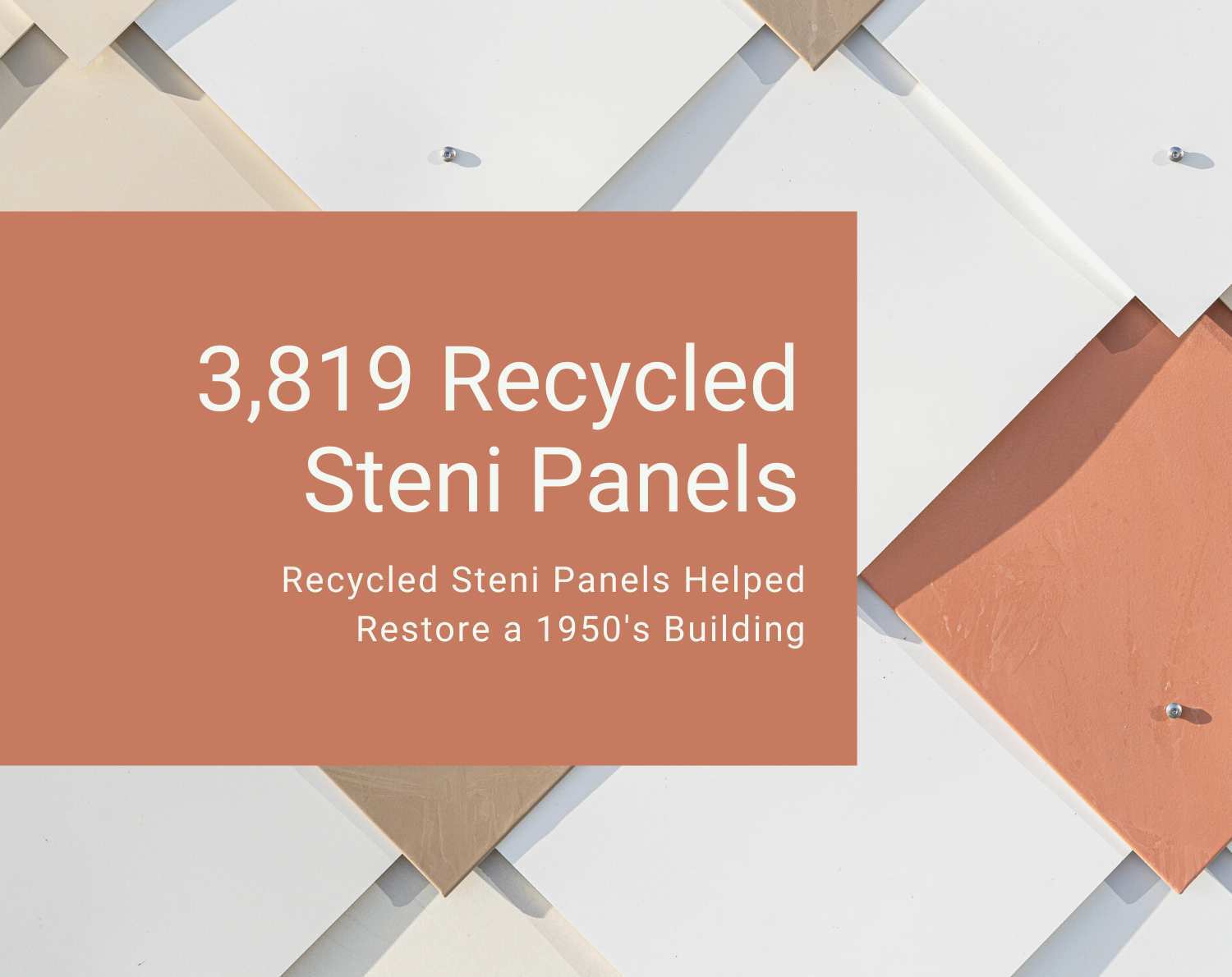
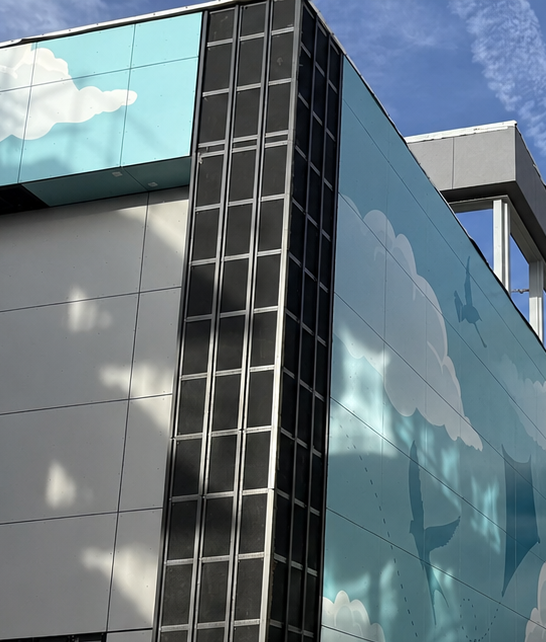
A renovation of a 1950s building used 35-year-old recycled Steni Panels.
“The Steni composite stone façade panels from the 35-year-old housing association were cut and adapted to match the dimensions needed for the renovation project. In all, we delivered 3,819 processed panels,” says Ståle Kristiansen, Regional Manager and project management at Steni. “The Kristian Augusts Gate 13 project is the ultimate example of how important wear, resistance and durability of Steni Panels are for sustainability and the environment.”
While slab insulation is primarily used to improve thermal performance and reduce operational energy use, it also plays an important role in reducing embodied carbon over a building’s life cycle. By enhancing the energy efficiency of floors, especially in contact with the ground, slab insulation reduces the demand for heating and cooling systems. This allows for downsizing mechanical equipment, which cuts upfront material use and lowers associated embodied carbon. Additionally, maintaining a stable indoor temperature helps extend the life of structural and finish materials by minimizing thermal stress, reducing the need for replacements or repairs. In essence, slab insulation supports operational efficiency and long-term material durability, indirectly lowering embodied carbon throughout the building’s lifecycle.
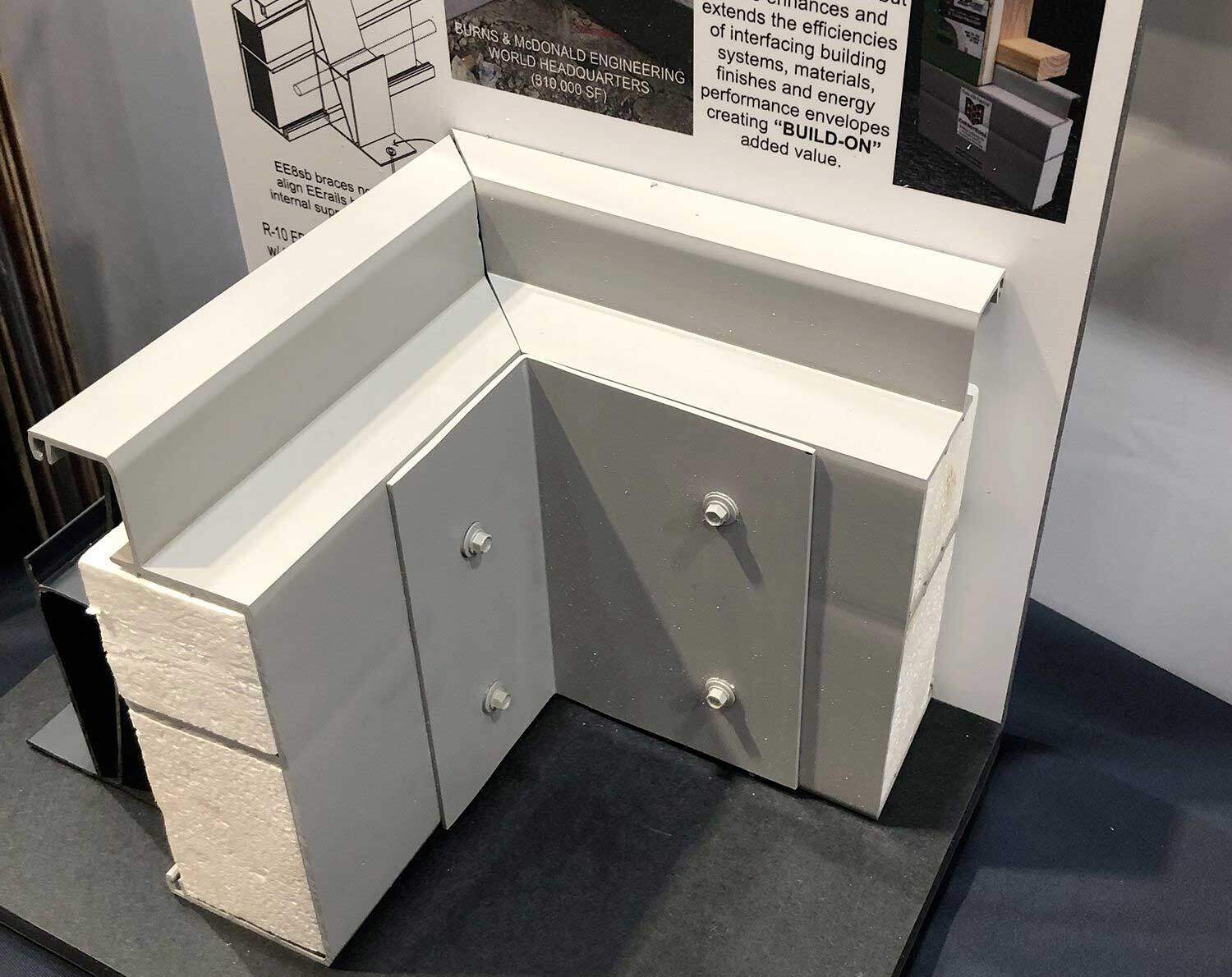
EnergyEdge® Permanent Insulated Concrete Edge Formwork is a leave-in-place concrete perimeter formwork that provides protected rigid perimeter insulation around the edge of the concrete slab. The end result is an aesthetically superior concrete edge that is thermally isolated at its transition from below grade to the wall. EnergyEdge® formwork system meets requirements for concrete slab edge insulation (SEI) and ICC building and energy codes.
Steni Composite Stone Rainscreen Panels are made from the perfect marriage of nature’s most sustainable product (stone) and resins, fiberglass, and pigments to create composite stone panels that look and function better than those that are completely natural or completely man-made.
Rainscreen façade panels from Steni have a low carbon footprint, producing 14–17 kg of CO2/m². Steni façade panels can be delivered to public waste treatment facilities at the end of their useful life. Steni waste is “inert” and has no impact on the external environment. All Steni panels have a life-cycle analysis and an Environmental Product Declaration (EPD).
EU: None of STENI AS products contain substances on the REACH list. Nordics: None of STENI ’s products contain substances on the REACH list, on the Norwegian priority list, the Sunda Hus priority list, or the Nordic Ecolabel Appendix 6.
The Life Cost Calculation (LCC) (NS 3454:2013) indicates the product’s resource consumption over time. Products from Steni have a low LCC. A long lifetime and low resource consumption make Steni panels an environmentally sound choice.
Petrarch Composite Stone Rainscreen Panels are composed primarily of reconstituted marble and stone that is recycled instead of discarded. Petrarch Panels offer the appearance and texture of natural slate or stone in a large panel format that promotes sustainability. Petrarch Panels will endure extreme environmental conditions, vandalism, and exposure for years.
Petrarch rainscreen panels content 0 g/l VOC at install. The VOC content at the manufacturing site is 6%.
Petrarch Composite Stone Panels are extremely impact-resistant, maintenance-free, and intended for life-of-the-building service. Petrarch panels can be cleaned with soap and water, and do not require any special cleaning supplies.
Steni composite stone panels are packaged using wood, paper, and recyclable plastic. Steni sorts all waste internally in accordance with the Grønt Ansvar (Green Responsibility). Grønt Ansvar is a comprehensive program for documented and systematic waste management. The packaging can be easily sorted at the construction site. Offcuts / left-over panels can be delivered as general waste for standard waste collection.
Steni’s continuous production process allows you to choose from a wide range of standard formats, with a width of up to 47.75” and a length of up to 137.5”. This means that there is very little waste. Steni develops customized solutions with customers.
Steni composite stone rainscreen panels have an unmatched 60-year warranty. That means minimal building maintenance – just simple cleaning – lowering lifetime costs.
The aluminum industry is actively working to reduce its carbon impact. Over the past 30 years, the North American aluminum industry has reduced energy consumption by 55% since 1998.
ForMe cladding and battens are made of 100% extruded aluminum making it recyclable and a sustainable material with an endless life cycle.
Nearly 75% of all aluminum ever produced is still in use today.
ForMe Design cladding and battens come with a 15-year warranty on finishes coated in its production plants.
ForMe EPD Documentation
Petrarch composite stone panels can be ordered cut to size at the factory thereby reducing or eliminating field cuts and waste at the construction site. Petrarch panels are shipped using a minimum amount of packaging material, primarily recycled cardboard and wood for a palletized base (2” X 4” wood studs and OSB plywood panels.) These materials used for packaging are also common construction materials that can frequently be at the job site or by others.
Petrarch composite stone panels can potentially be reused due to the extensive life of the panels and the ability to cut on-site. Petrarch panels can be salvaged or reused in new construction or the renovation of a building. Applications for reuse can be exterior and interior wall panels or decorative accent panels made with composite material.
Petrarch composite stone rainscreen panels have a 50-year warranty with little change in physical properties. Petrarch panels are waterproof, easy to clean, highly resistant to impact, and have a Class A fire rating.
Reducing embodied carbon isn’t just a trend—it’s a necessary shift for a climate-conscious future. By selecting Omnis products, designing efficiently, and thinking long-term, the design/build industry can reduce its carbon footprint.
Incorporating these strategies supports sustainability goals and enhances project value, futureproofs buildings, and demonstrates leadership in environmental responsibility.
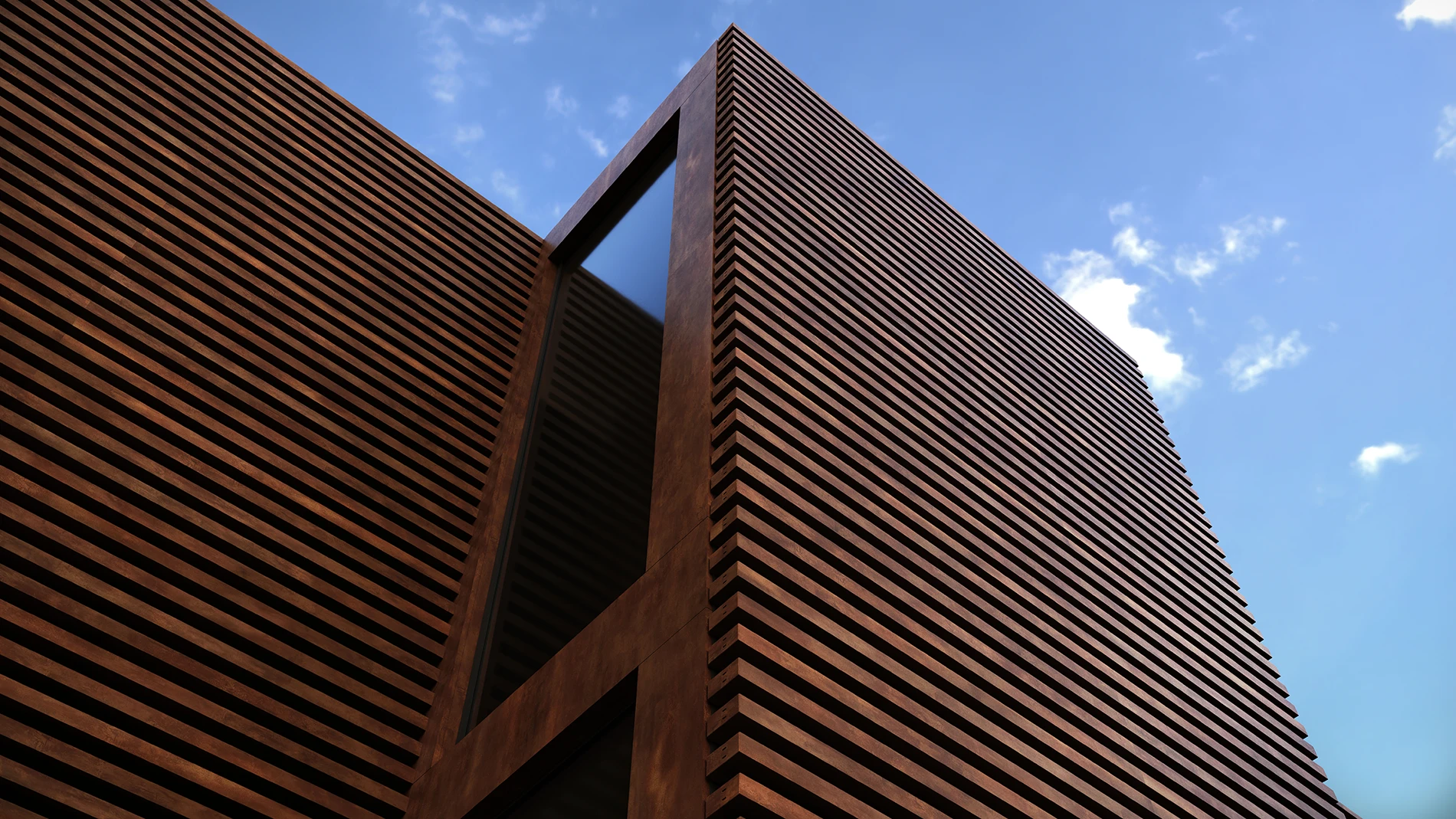


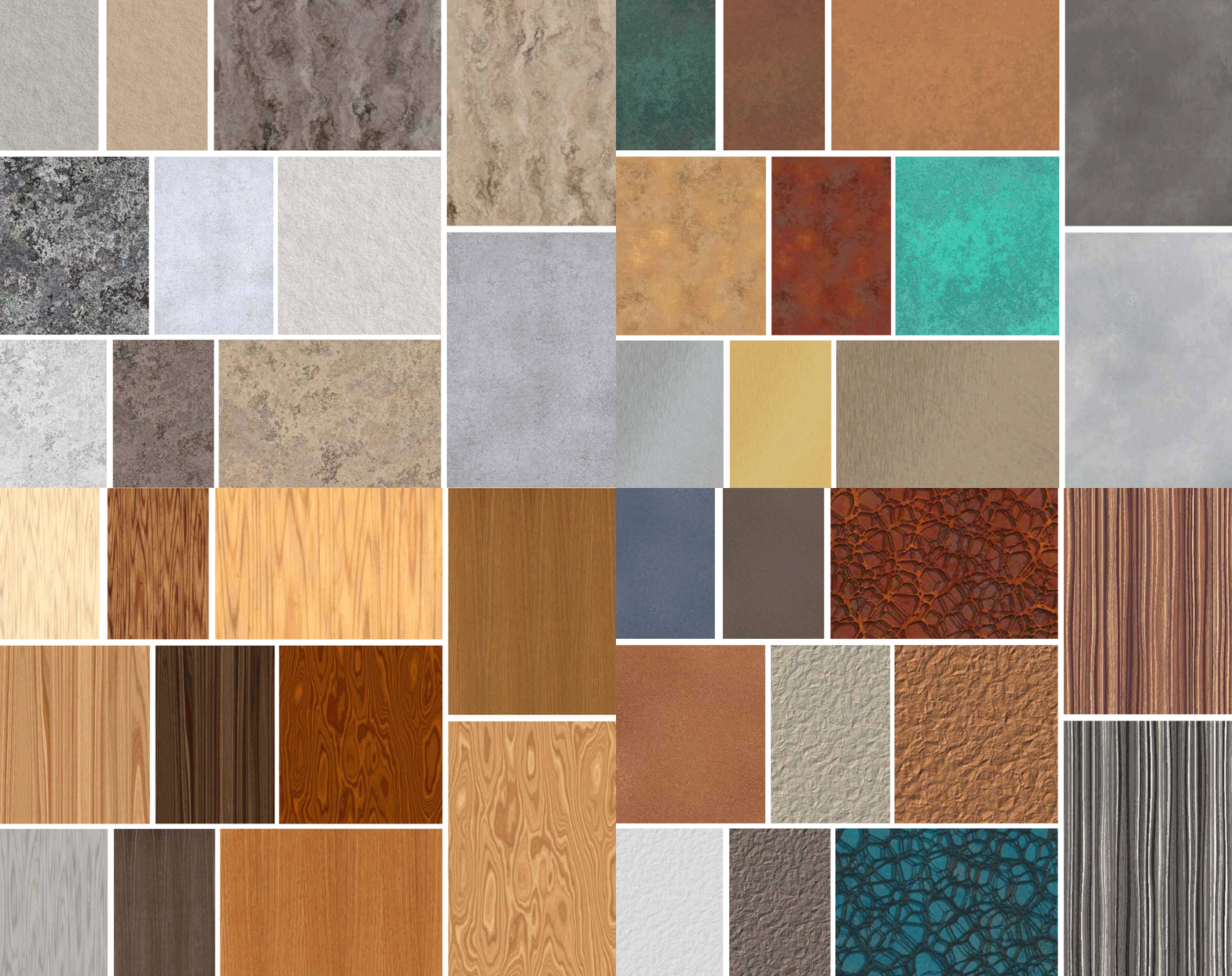
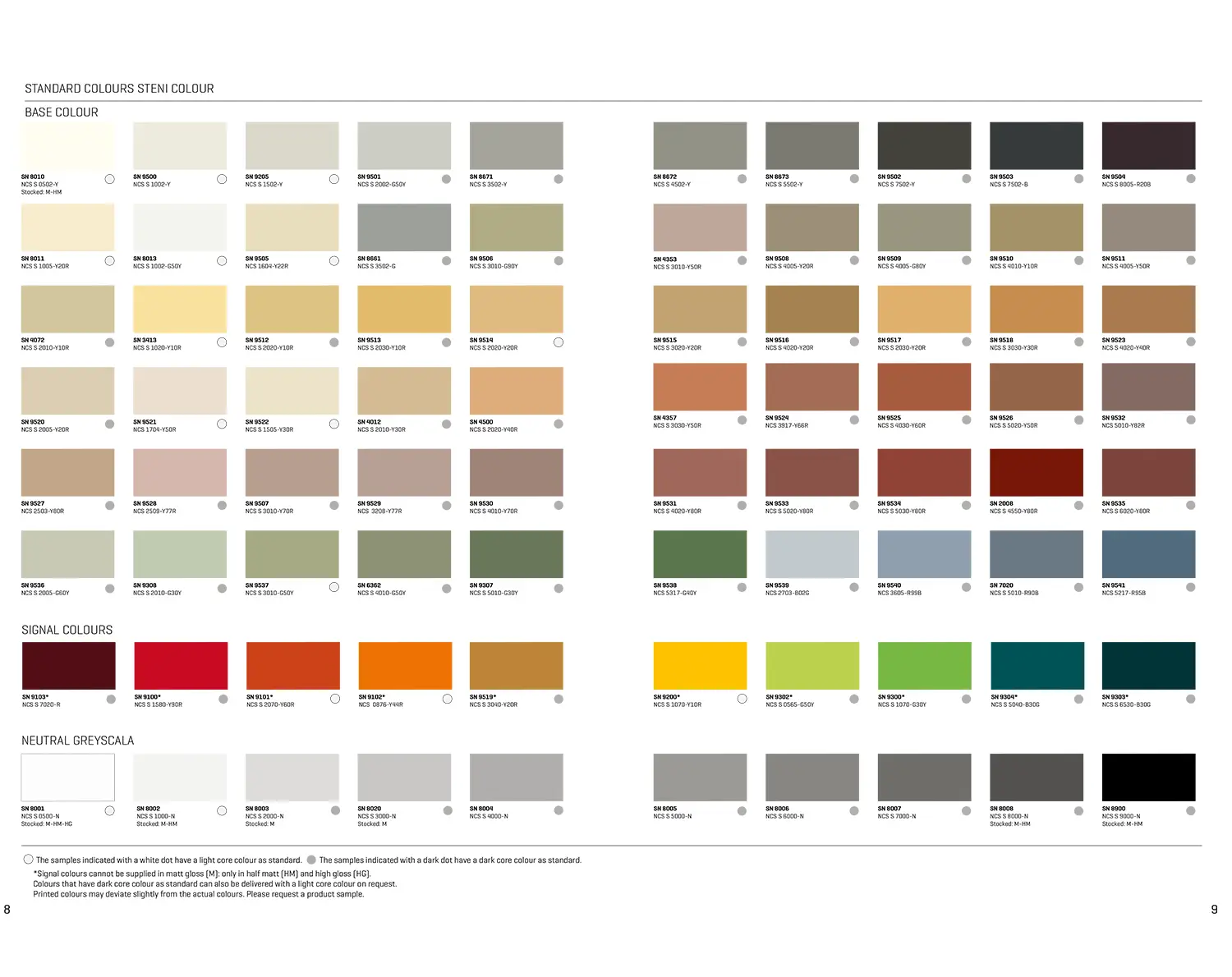
Many Steni Colours are also available with a Dark Core finish.
Would you like to add a sample of Cladding, Battens 50, or a Battens Light profile to your order? Please select below.
"*" indicates required fields