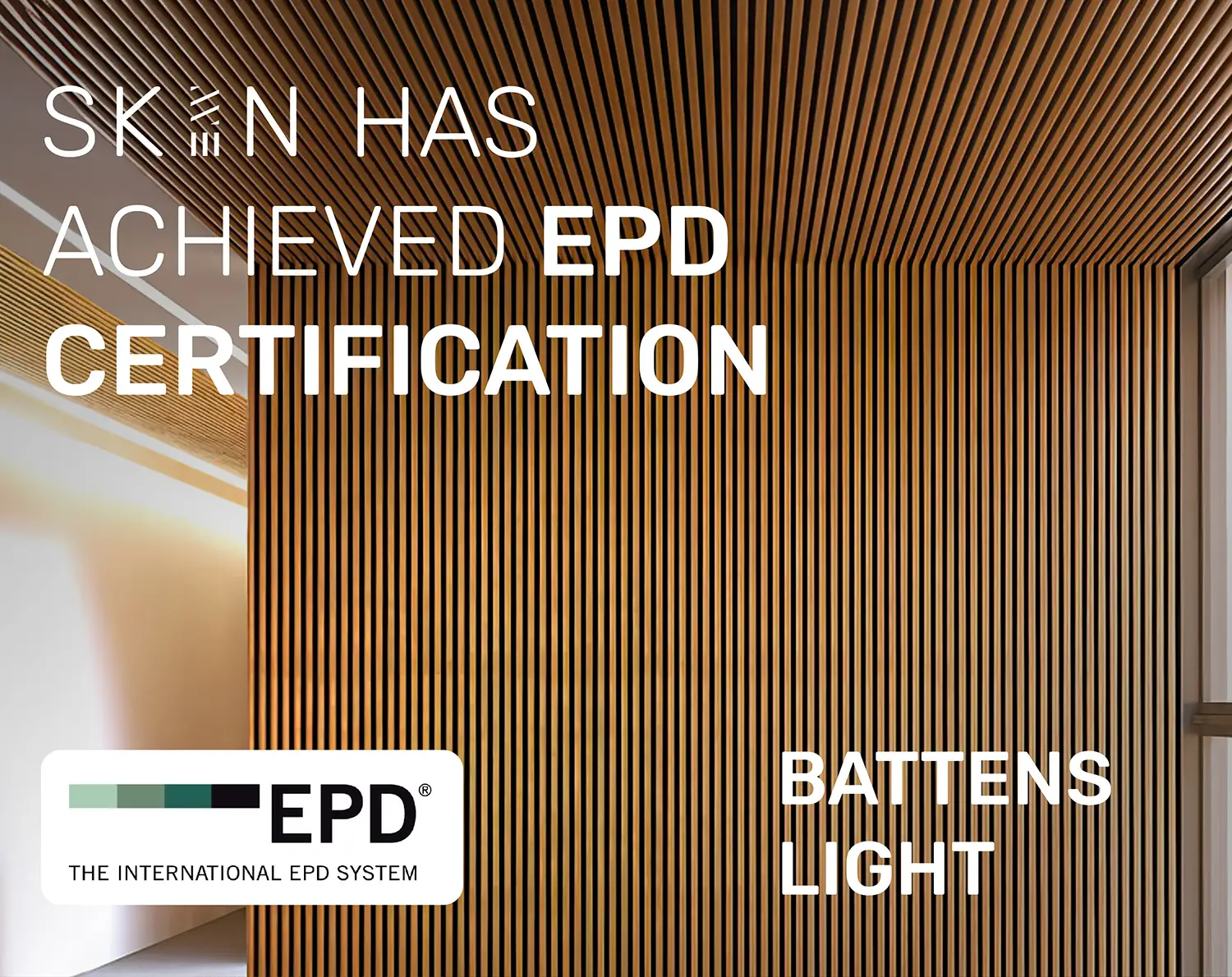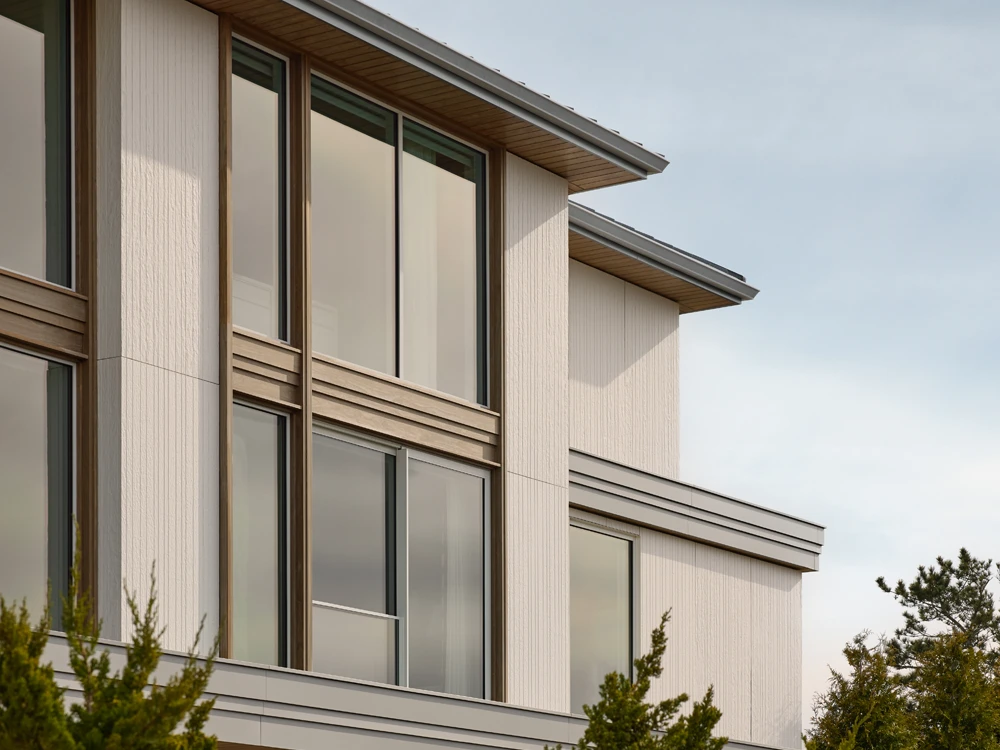
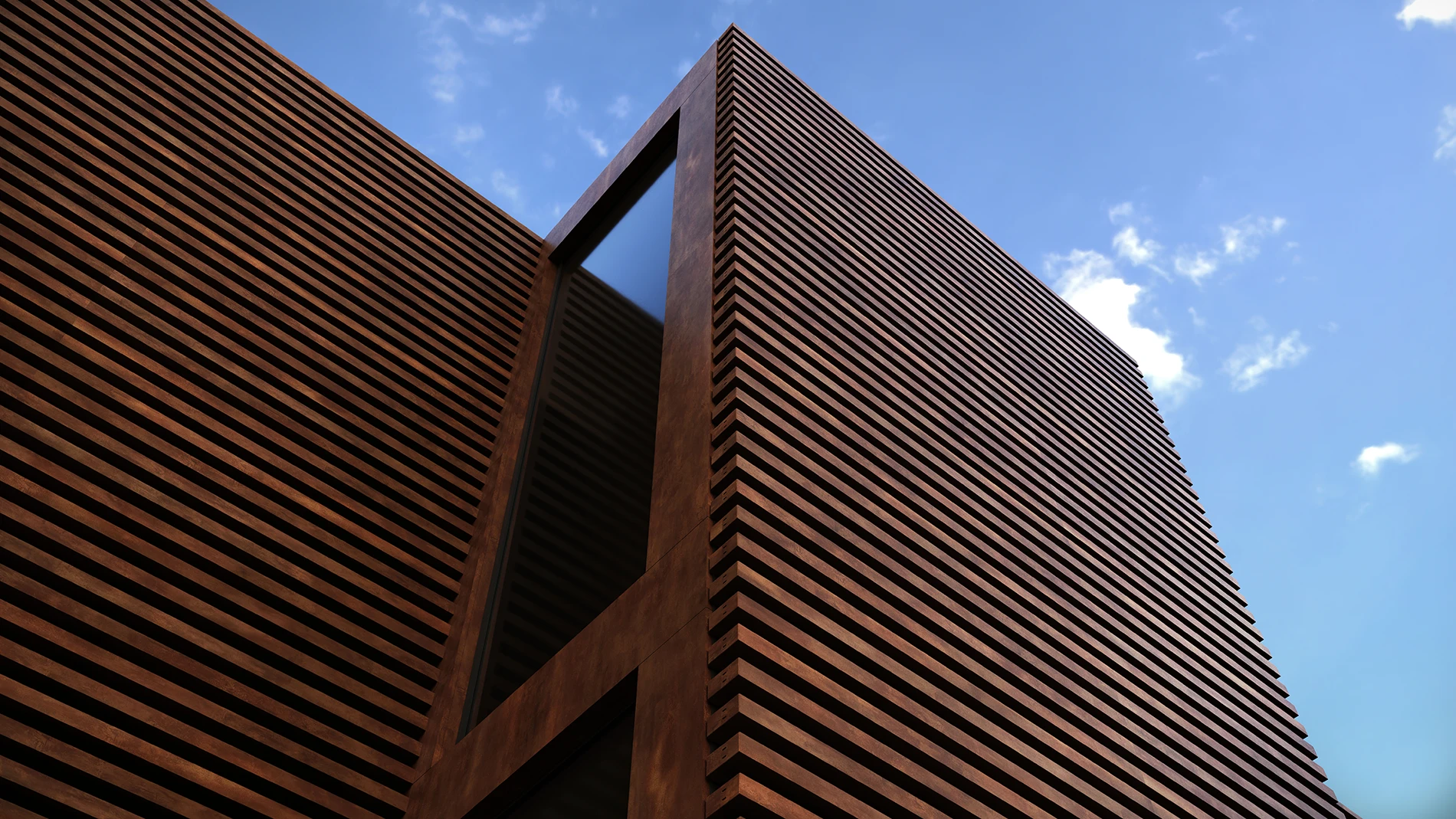
Aluminum battens are linear extruded profiles used to create depth, rhythm, and screening on building facades, ceilings, and interior walls.
They are typically installed as part of a rainscreen or decorative cladding system, allowing airflow behind the facade while enhancing architectural expression.
Unlike flat panels, battens are spaced elements that create shadow lines and visual movement.
Key differences:
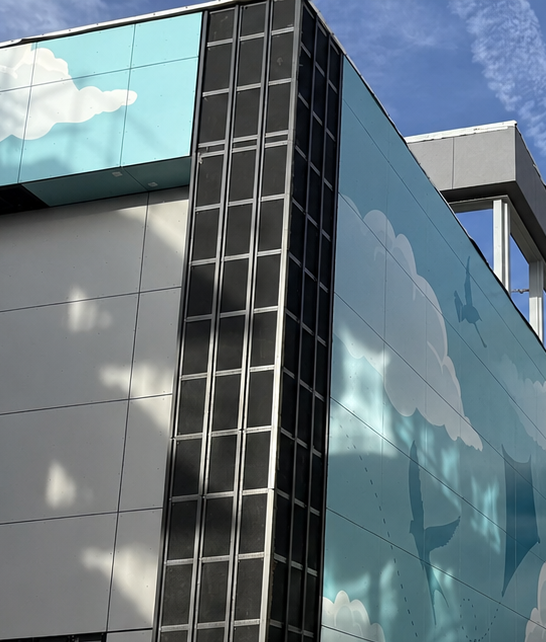
Many projects use battens in combination with cladding panels to achieve both performance and design intent.
Most high-performance batten systems are manufactured from 100% extruded aluminum, which provides:
Extrusion allows for precise profiles and engineered attachment systems, which are critical for facade performance.
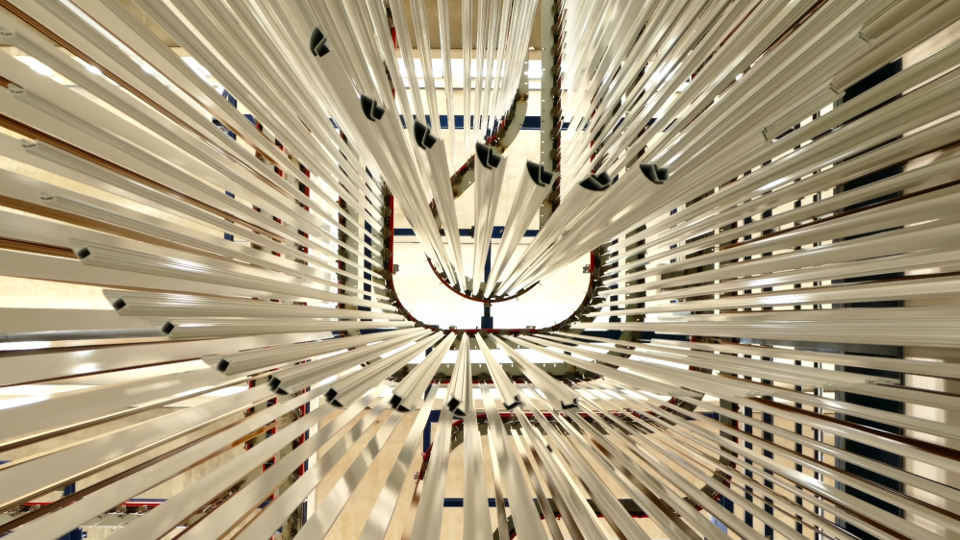
Powder coating is a finishing process where a dry powder is electrostatically applied and cured onto aluminum, forming a durable protective layer.
It is widely used in architectural systems because it provides:
Compared to liquid paint systems, powder coating creates a thicker, more uniform finish, improving long-term performance.
Powder-on-powder is a patented coating process exclusive to ForMe where multiple powder layers are applied and cured, creating:
This technology is used in architectural aluminum to achieve high-end material aesthetics with metal performance.
Architectural aluminum battens, such as those from Omnis Panels, typically offer multiple finish technologies. ForMe systems offer Class 2 RAL powder coatings and advanced textures, delivering long-term color retention and durability.
You can explore full options here:
👉 ForMe Patented Powder Coating Colors & Finishes
ForMe finish systems include:
These finishes allow aluminum to replicate:
Yes. Aluminum is a non-combustible material, and many batten systems meet ASTM E84 Class A Fire rating, depending on system design.
This makes them suitable for:
Aluminum battens are engineered for long-term exterior performance.
Typical characteristics include:
Powder-coated finishes further enhance durability by protecting against UV exposure, moisture, and pollutants.
Aluminum battens are considered low-maintenance facade systems.
Maintenance typically includes:
Unlike wood, they do not require sealing, staining, or repainting.
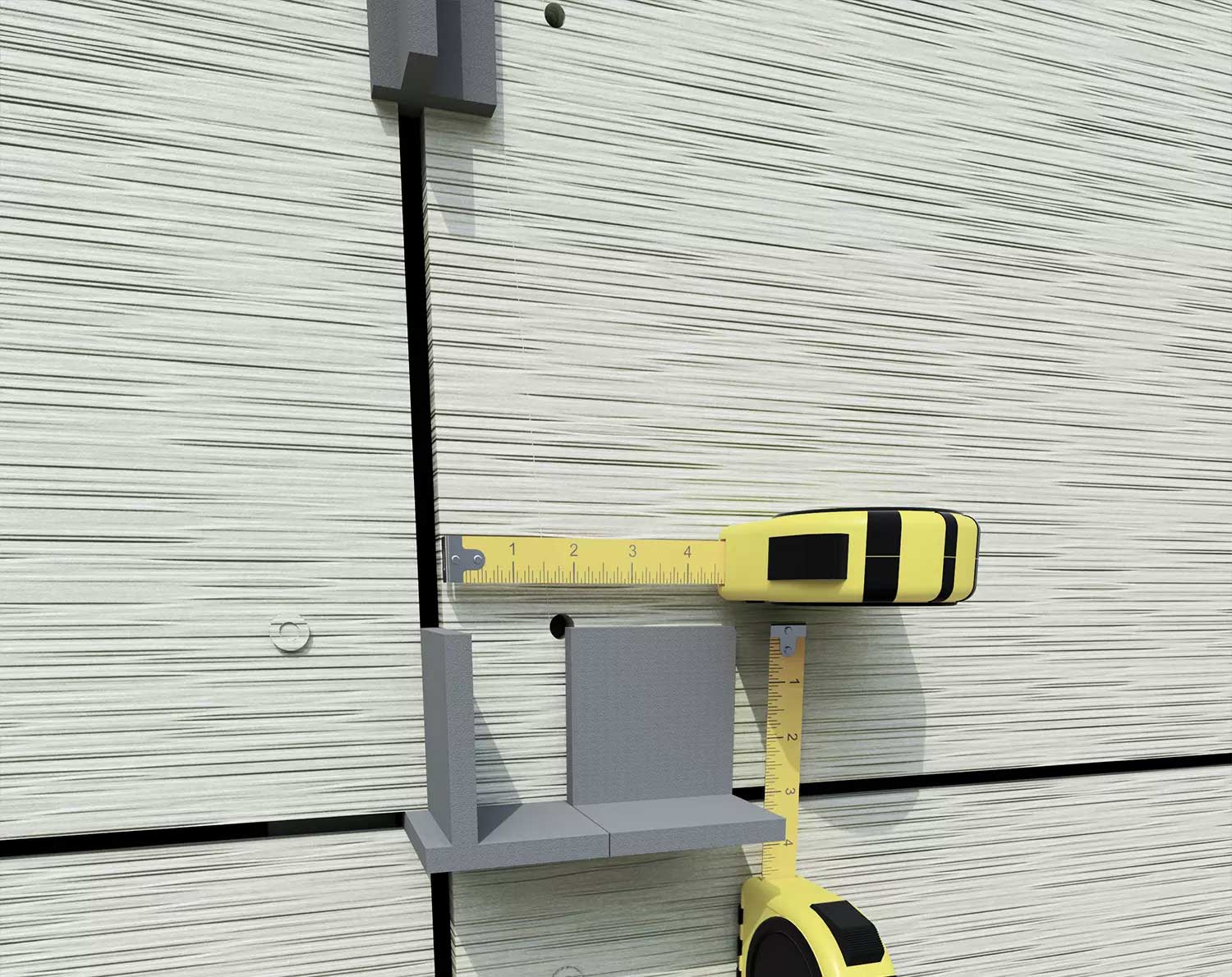
Modern batten systems are designed as modular systems with engineered substructures.
Installation features:
Many systems require no specialized labor, reducing installation time and cost.
Within limits. Certain profiles (such as lightweight systems) can be installed on:
This allows architects to create fluid, sculptural designs not easily achieved with rigid panel systems.
Contact Omnis to discuss aluminum battens radius applications.
Yes. Aluminum is one of the most sustainable facade materials available.
Key benefits:
Powder coating also contributes to sustainability by providing a long-lasting, low-emission finish.
Specify aluminum battens when you want:
Use panels when you need:
Many high-performance facades combine both systems for optimal results.
Aluminum battens are growing in popularity because they deliver:
These advantages make them a preferred solution for modern commercial, residential, and institutional architecture.


Many Steni Colours are also available with a Dark Core finish.
Would you like to add a sample of Cladding, Battens 50, or a Battens Light profile to your order? Please select below.
"*" indicates required fields