The Environmental Edge of Powder Coating
Longevity and Maintenance
When specifying metal finishes for architectural aluminum cladding, architects have a choice of two primary coating systems: powder coating and PVDF (polyvinylidene fluoride) paint. Both offer aesthetic flexibility and long-term protection. However, a deeper examination of the performance, environmental impact, application methods, and lifecycle costs reveals differences that can significantly influence design intent, sustainability goals, and warranty considerations.
Choosing the right finish can also play a meaningful role in achieving green building certifications, reducing a project’s embodied carbon, and supporting long-term environmental stewardship. When considering green building standards, embodied carbon reduction, and long-term environmental stewardship, the choice of coating extends beyond color and texture. Architects must consider how each finish contributes to a building’s overall environmental footprint, maintenance demands, and resilience in diverse climates.
Understanding these distinctions helps ensure that the specified finish meets both design intent and sustainable performance goals, delivering façades that are visually striking, durable, and environmentally responsible.
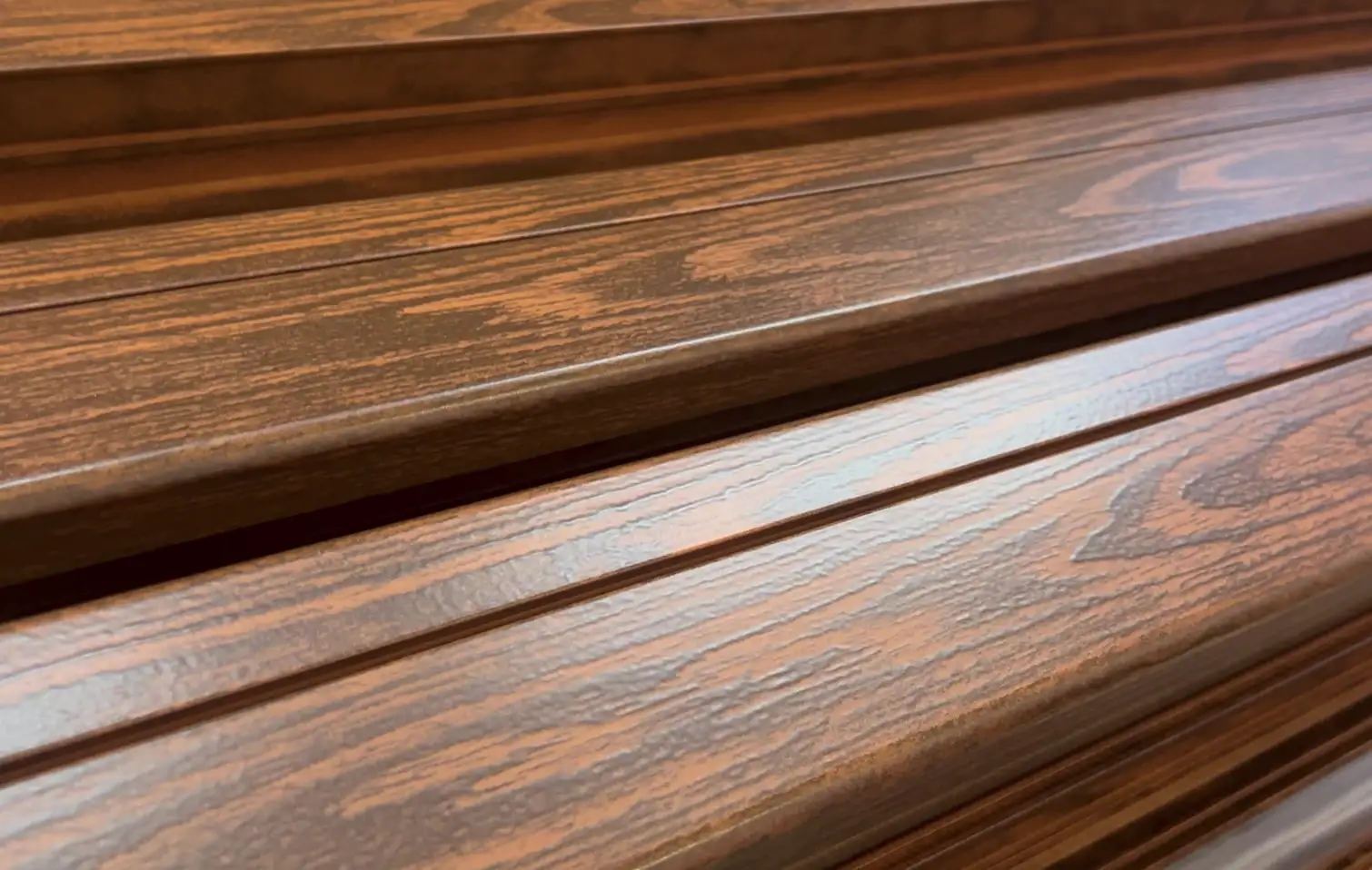
ForMe partner DFV has 50 years of experience. DFV is an international leader in the field of aluminum coating, particularly in woodgrain design with powder-on-powder technology.
Design Without Compromise
Both powder coating and PVDF paint offer architects significant freedom in color, finish, and texture, but the options and long-term performance differ.
Powder Coating:
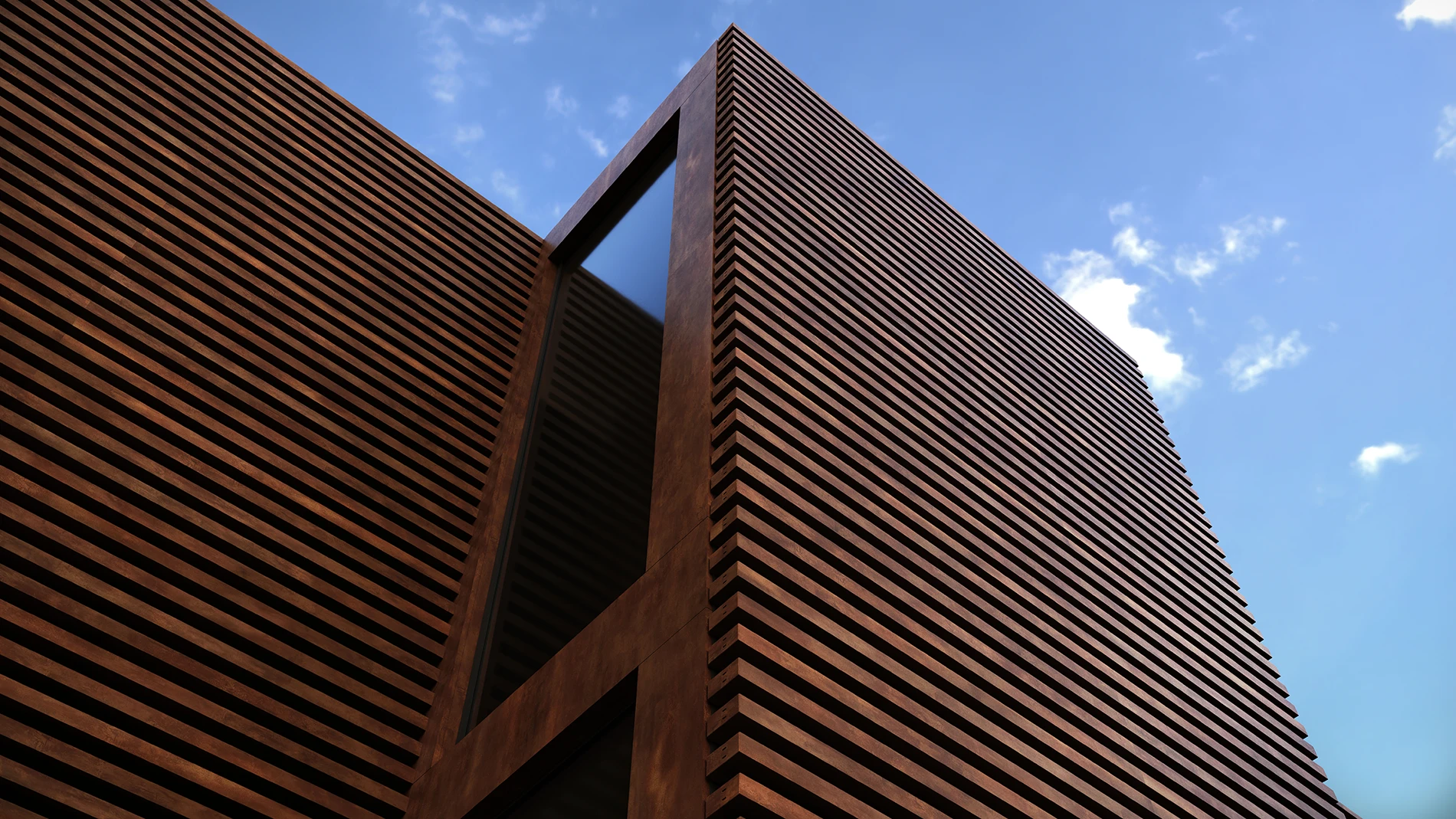
- Provides a wide range of textures, gloss levels, and specialty finishes, including metallics, mattes, and even subtle effects like woodgrain.
- ForMe DFV powder coatings come in a huge variety of colors.
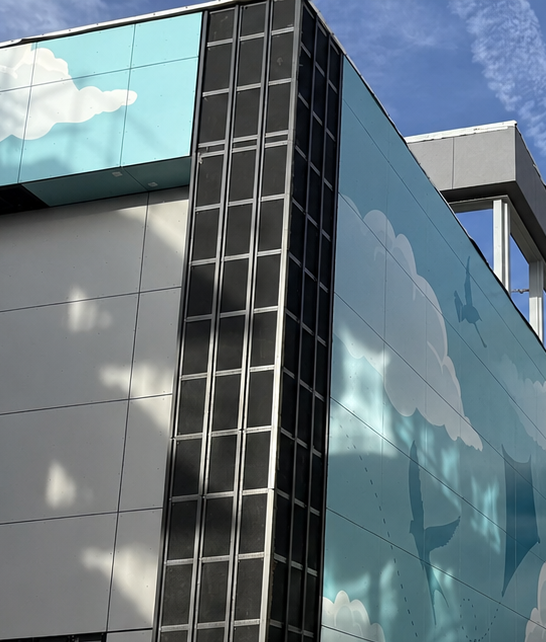
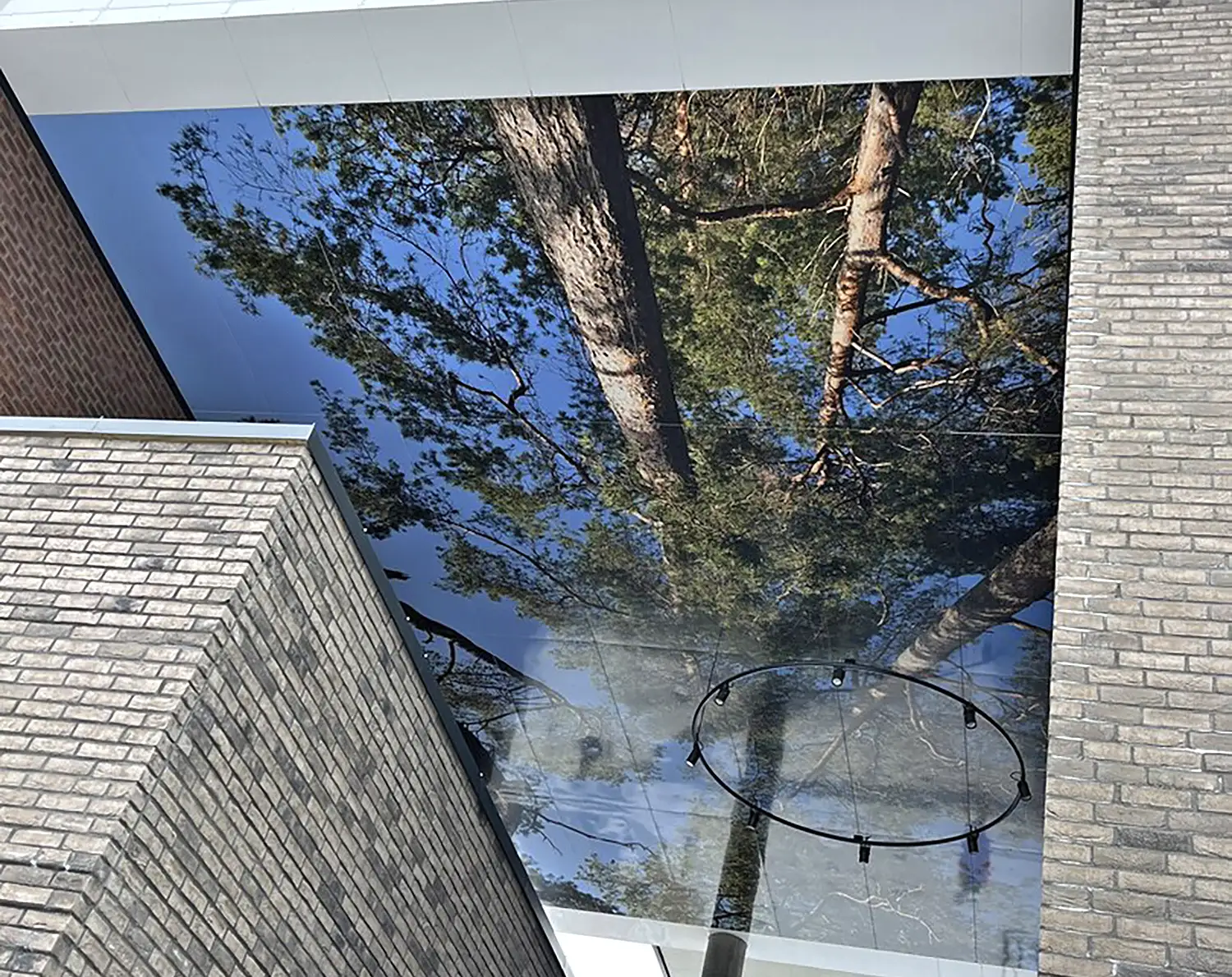
- Highly adaptable – works across a variety of profiles and finishes, including patented layered and sublimated designs.
- Powder coating’s thicker film can produce richer color depth and a tactile quality that enhances certain architectural details.
- Advances in high-performance powder coatings (AAMA 2604 grade) make color retention in exterior applications much stronger.
PVDF Paint:
- Offers smooth and consistent finishes.
- Can be applied to a wide range of metal surfaces.
- PVDF paints do not achieve high gloss finishes.
- Good long-term color retention.
- Can be touched up, but areas may not fully match.
Sustainability and Environmental Impact
Powder Coating:
- Contains no solvents or VOCs, making it a cleaner, low-emission option.
- Overspray can often be reclaimed and reused, minimizing material waste.
- Cured powder coatings allow aluminum to be fully recyclable, preserving the metal’s lifecycle sustainability.
PVDF Paint:
- Solvent-based, releasing VOCs during application.
- Made from fluoropolymer resins, which have a higher embodied environmental impact.
- Strong UV and weather resistance.
Powder Coating Excels in Performance, Design, and Sustainability
Thoughtful coating selection ensures façades that are visually striking, durable, and aligned with green building principles, contributing to long-term sustainability and lifecycle efficiency.
Environmental Impact:
- Solvent-free with virtually zero VOCs.
- Overspray can often be reclaimed and reused, reducing waste.
- Coated aluminum remains fully recyclable, contributing to a lower lifecycle footprint.
Powder Coating Performance:
- Excellent durability with resistance to wind and impact.
- Acoustic absorption.
- Modern high-performance grades (AAMA 2604) offer good UV stability and exterior durability.
Design Applications:
- Wide range of textures, gloss levels, and specialty finishes (metallics, mattes, woodgrain effects).