Rainscreen FAQ
Rainscreen Cladding System
A Rainscreen cladding system is the attachment of a rainscreen panel over, most commonly, a layer of continuous insulation such as mineral wool, an air barrier, and sheathing that is externally fixed onto the core structure of the existing building. This creates a ventilated cavity between the façade itself and the existing building, forming a double-wall construction. This method is designed to keep moisture out while still allowing the building to breathe:
- The inner layer provides thermal insulation and prevents excessive air leakage. The insulation/air barrier/sheathing assembly, which is attached to the existing structure, provides an airtight barrier and thermal insulation to the building.
- The outer layer rainscreen panels act as a barrier against driving rain, ice, snow, and strong winds, preventing moisture from leeching through the exterior walls of the building.
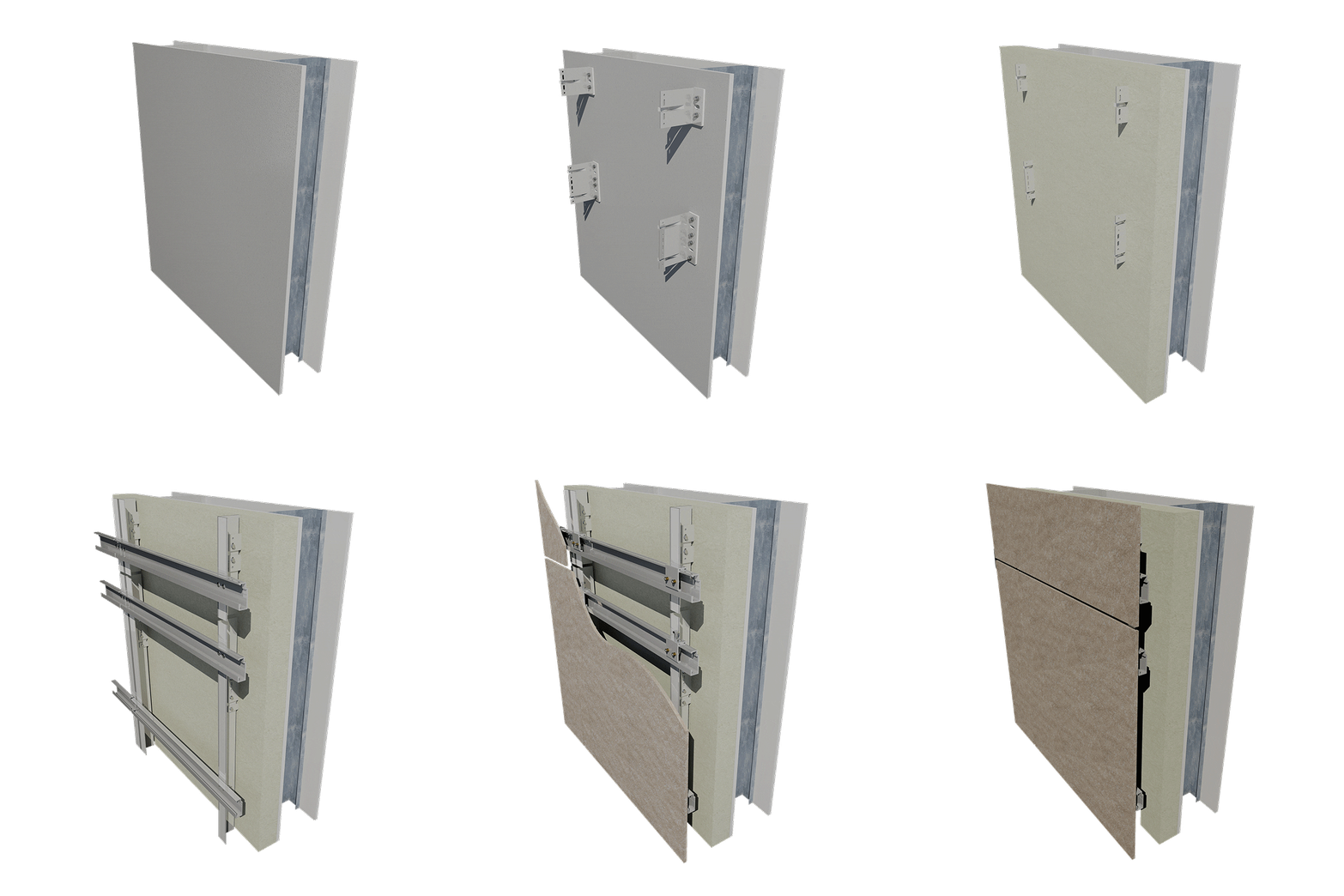
Structural Wall + Wall Brackets + Continuous Insulation + Vertical support rails + Horizontal carrier rails + Rainscreen panels
How a Rainscreen Cladding System Works
 Rainscreen cladding systems and rainscreen attachment systems protect the core skin of the building from environmental elements.
The rainscreen cladding system consists of a load-bearing wall, an insulation layer, and rainscreen panels fixed to the building using a supporting structure. This creates an air cavity between the load-bearing wall and the cladding panel, allowing continuous ventilation and thermal insulation to the building.
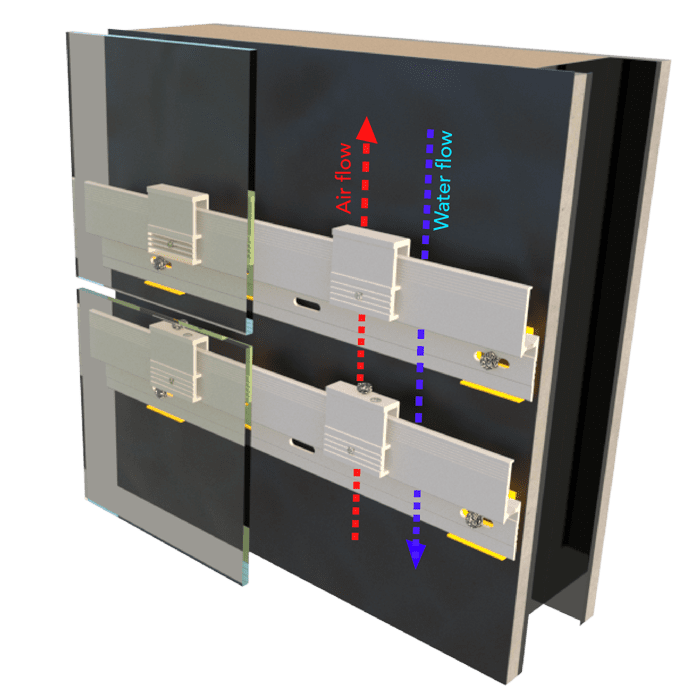
The external rainscreen panels act as a barrier against driving rain, ice, and snow, reducing condensation and humidity from inside and outside the building. The continuous circulation of air inside the air cavity works as an extra protection layer and removes the possible water filtrations that can slip through the cladding joints. Although there is some seepage through vertical rain, the energy of its impact will have been reduced by the time it has reached the inner surface. The ventilated cavity acts as a further weather-resistant barrier, dissipating any leeched water either through gravity or evaporation.
Avoids condensation and humidity
The rainscreen façade system reduces condensation and humidity from both inside and outside the building. The continuous circulation of air inside the air cavity works as an extra protection layer and removes the possible water filtrations that can slip through the cladding joints.
Extends the life of the façade
The continuous ventilation inside the air cavity improves the durability of the rainscreen cladding. The façade’s lifetime is even longer when using engineered stone rainscreen cladding.
Reduces structural movements
The air cavity allows for maintaining a more stable temperature in the building construction envelope. This helps prevent the risk of cracks and other structural issues. Since the structure is not subject to extreme temperature changes, expansion or contraction is reduced.
Improves thermal and acoustic insulation
When insulation is combined with the rainscreen cladding, the thermal and acoustic insulation of the building improves significantly.
Increases energy efficiency
Rainscreen systems help reduce hot and cold air and thermal movement through the wall, reducing energy costs.
Requires virtually no maintenance
Rainscreen cladding systems require almost zero maintenance, especially if you choose composite stone rainscreen panels that withstand extreme weather conditions, graffiti, and impact.
Benefits of Rainscreen Cladding Panels
Rainscreen cladding systems offer a range of benefits that enhance the performance and aesthetics of buildings. They provide superior moisture protection by allowing water to drain and air to circulate behind the cladding, reducing the risk of mold and structural damage. Rainscreen cladding also improves energy efficiency through better insulation and thermal regulation. Additionally, rainscreen cladding increases a building’s durability, supports design flexibility with a variety of materials and finishes, and contributes to sustainability by extending façade lifespan and reducing maintenance needs.
How Rainscreen Cladding Works
Rainscreen cladding systems function as a protective barrier that shields a building’s structure from moisture while promoting ventilation. These systems use a two-layer wall construction: the outer layer, or cladding panel, repels most of the rainwater, while the inner layer provides insulation and structural support.
Between these layers is an air cavity—a ventilated space that allows any moisture that penetrates the outer skin to drain or evaporate. This continuous airflow also helps manage temperature and reduce condensation, extending the life of the building envelope.
Rainscreen components include:
- Rainscreen cladding panels (typically metal, composite, or fiber cement)
- Ventilated air gap
- Moisture barrier or sheathing
- Rainscreen framing
By separating the outer façade from the main wall assembly, rainscreen cladding systems create a drainage and drying zone that significantly improves moisture control, energy efficiency, and building durability.
Advantages of Rainscreen Cladding Systems
Rainscreen cladding systems offer a range of functional and aesthetic benefits that enhance the performance and appearance of modern buildings. Here are the key advantages:
1. Superior Moisture Management
Rainscreen systems prevent water infiltration by creating a ventilated cavity behind the cladding. This allows moisture to drain and evaporate, protecting the structural wall from rot, mold, and decay.
2. Improved Thermal Performance
By incorporating an additional insulation layer and promoting airflow, rainscreen systems reduce thermal bridging and increase a building’s energy efficiency—lowering heating and cooling costs.
3. Enhanced Durability
Cladding panels shield the building from weather extremes, UV radiation, and pollutants. This protection extends the lifespan of the underlying wall system and reduces long-term maintenance needs.
4. Design Flexibility
Rainscreen panels are available in a wide variety of materials, textures, colors, and finishes, offering architects and designers significant freedom to achieve both traditional and contemporary aesthetics.
5. Fire Resistance and Safety
Many rainscreen systems use non-combustible materials and meet fire safety standards, making them suitable for commercial and residential applications. Additional fire suppression is available through rainscreen intumescent fire block strips.
6. Acoustic Performance
The multiple layers in a rainscreen system can help dampen external noise, improving indoor acoustic comfort in urban environments or high-traffic areas.
7. Sustainable Construction
Rainscreen cladding supports green building practices by increasing energy efficiency, reducing material degradation, and allowing for easier retrofit or panel replacement.
Rainscreen Cladding Applications in Modern Architecture
Rainscreen cladding systems are widely used in modern architecture for their functional benefits and contemporary aesthetic appeal. They are commonly applied in commercial buildings, multi-family residential developments, educational facilities, and institutional structures to enhance façade durability and design versatility.
Architects favor rainscreen systems for new construction and renovations alike, especially in projects prioritizing energy efficiency, moisture control, and sustainable design. The ability to integrate a wide range of materials and textures makes rainscreen cladding ideal for creating bold, dynamic exteriors that align with modern design trends.
Whether used to meet green building certifications or to achieve a sleek, low-maintenance façade, rainscreen cladding plays a key role in shaping the look and performance of today’s built environments.
Omnis High Performance Rainscreen Cladding
Omnis Panels exclusively offers two high-performance composite stone rainscreen cladding solutions: Steni Panels and Petrarch Panels.
Steni composite stone rainscreen panels (Colour, Vision, and Nature series) feature a fiberglass-reinforced polymer composite with a core of crushed limestone. Their smooth surface boasts an electron beam-cured acrylic finish. Notably, Steni Panels are 100% water-impermeable and engineered to endure the most demanding environments. Backed by a 60-year industry-leading warranty, Steni offers exceptional durability and peace of mind, underscoring its commitment to quality and longevity.
Petrarch rainscreen panels are a stone composite primarily composed of reconstituted marble. Comprised of natural stone, Petrarch Panels withstand extreme environmental conditions, vandalism, and long-term exposure. A key advantage of Petrarch is its significantly lighter weight compared to natural stone, simplifying on-site installation and cutting, ultimately reducing construction time and costs.
What Rainscreen Panels are Made Of
Every rainscreen panel is made of different materials. For example, HPLs are made up of craft paper and resin, then cured under heat and pressure to create a very durable panel. Fiber Cement is created using cement and binding materials to essentially create a thin brick-like product.
Petrarch and Steni are made out of 70-80% natural materials. Petrarch Composite Stone Rainscreen Panels primary ingredient is reconstituted marble. Steni Composite Stone Rainscreen Panels consist mainly of crushed limestone, which is used to create the core of the panel. Each also uses a combination of glass fiber strands, polyester resin, and color pigment.
The Benefits of Rainscreen Panels
Rainscreen cladding is becoming a more common preference with American architects for the benefits of rainwater management. The key benefits of using Engineered Stone Rainscreen panels include:
- Rainscreen cladding creates a weather-resistant barrier and keeps moisture away from the core wall.
- Efficient water drainage prevents condensation and mold.
- Engineered stone panel production has a lower carbon footprint than any other mainstream rainscreen panel type.
- Greater design options offer a range of textures, gloss levels, limitless colors and designs.
- Simple installation (See Types of Installation Methods) reduces installation time on site. Panels come prefabricated as well as with predrilled holes.
- Easily cleaned and maintained. A simple clean with soapy water will bring the façade back to life, including removing graffiti!
- Engineered stone rainscreen panels have a proven long life span and the longest warranties available on the market.
- Low environmental impact by using recycled materials and environmentally friendly packaging.
- Rainscreen panels are stronger.
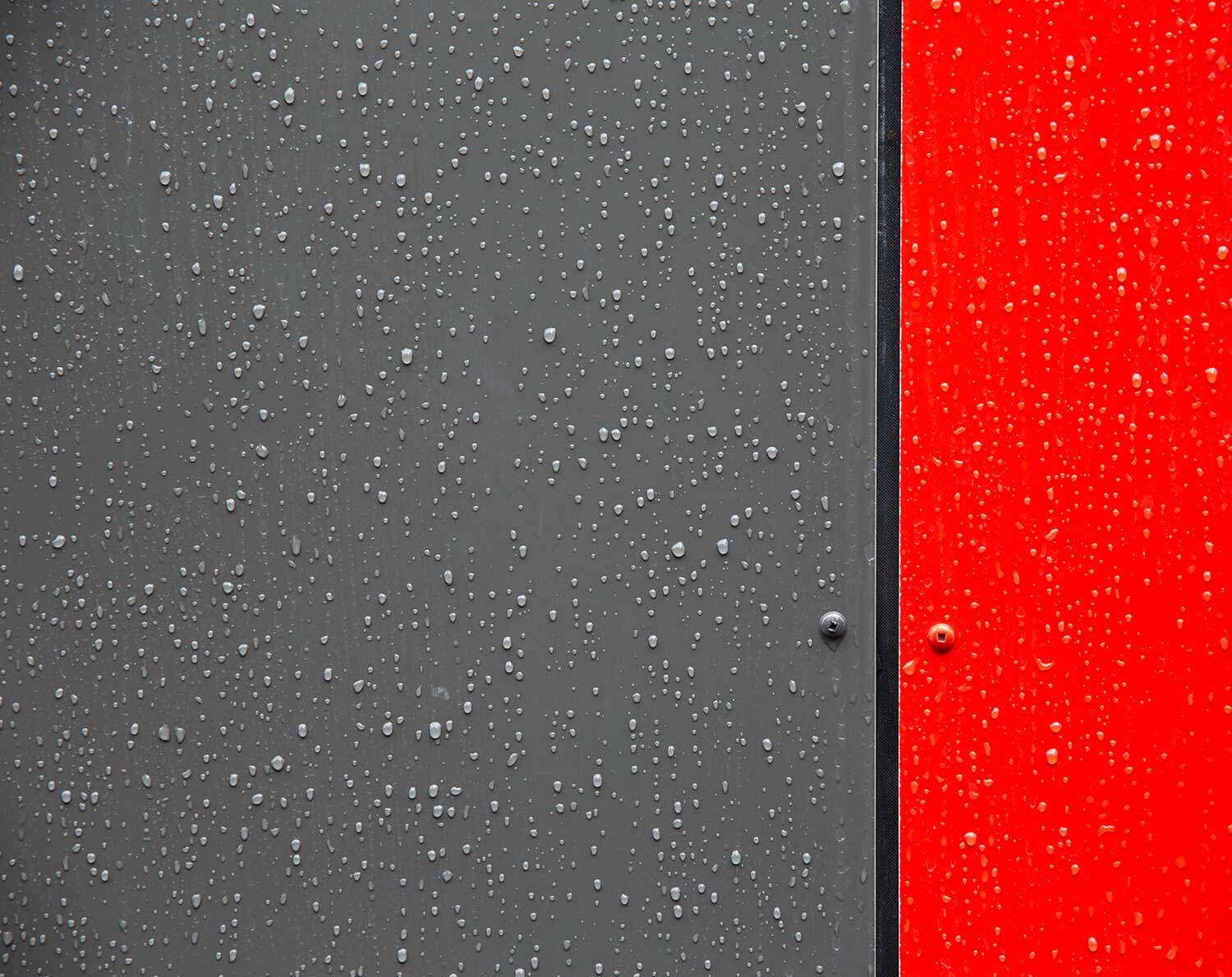
- Rainscreen panels have low moisture absorption.
- Allow versatility of shape and design.
The Durability of Rainscreen Panels
Rainscreen panel durability depends on the materials that make up the panels. Fiber Cement cladding struggle with impact much more than Petrarch and STENI Engineered Stone rainscreen panels. Petrarch Panels significantly exceeded rigorous wind and fatigue testing by the CWCT in the UK.
Façade panels from Steni have a 60-year functional warranty, requiring minimal building maintenance resulting in lower lifetime costs. The panels are made of fiberglass-reinforced polymer composite, a combination of materials with different properties that together produce an extremely strong and durable final product. Polymer composite is increasingly being used in the production of automobiles, boats, and aircraft. It is also becoming more and more popular for products that are exposed to extreme stress.
The Science Behind Rainscreen Panels
Airflow is the most important aspect of a rainscreen cladding system. The system starts with a ¾" air gap at the bottom of the wall for air intake. The air starts to flow upwards behind the cladding, where there is typically a 1" air gap between the back of the cladding and the continuous insulation layer. As the air flows upwards through the gap, it warms and accelerates towards the top of the wall. That airflow creates a convective current that helps evaporate any moisture that has entered the gap. At the top of the wall, another ¾" air gap is required for the air to escape, taking the moisture with it.
Rainscreen Panel Warranties
Most rainscreen panel warranties average 10 years. STENI has an industry-leading 60–year warranty for its rainscreen panels. Petrarch has a 20–year warranty, which is at the top of its class.
Rainscreen Panel Fire Regulations
Rainscreen panel fire testing is standard. Both Petrarch and Steni composite stone rainscreen panels have passed NFPA 285 tests and can be installed on buildings of all types and heights.
Maintaining Rainscreen Panels
Maintaining rainscreen panels is not difficult if you have the right panel. Both Petrarch and Steni composite stone rainscreen panels are non-porous products, so they don’t absorb water. Petrarch and Steni panels repel graffiti. There is no need to add chemical water sealants to the panels. Composite stone panels don’t include any food sources for mold or mildew. The only real maintenance needed is a good power wash with a mild detergent from time to time.
The Sustainability of Rainscreen Panels
When discussing the sustainability of rainscreen panels, three factors are taken into consideration: environmental, economic, and social.
- Environmental sustainability means that the panels used won’t have a negative effect on the environment, either from the creation of the panel or disposal of it.
- Economic sustainability goes beyond the initial cost of the material. We also need to consider maintenance costs. Does the product need frequent cleaning? What about painting or sealing? Will you need to spend money to replace panels in 10 years? These are factors that determine economical sustainability.
- Social sustainability is a discussion on the human impact of the panels on the rainscreen. By using a product that doesn’t require a lot of maintenance, you’re keeping people off of the walls which decreases the risk of injury.
Omnis Panels Are Reusable and Reduce Carbon Emissions
- Composite Stone rainscreen façade panels from Steni have a low carbon footprint, producing 14–17 kg of CO2/m². Steni façade panels can be delivered to public waste treatment facilities at the end of their useful life. Steni waste is “inert” and has no impact on the external environment. All Steni panels have a life-cycle analysis and an Environmental Product Declaration (EPD).
- Petrarch Panels can potentially be reused or relocated due to the extensive life of the panel, and the ability to cut on-site. Petrarch panels can be salvaged or reused in new construction or the renovation of a building. Applications for reuse can be exterior and interior wall panels or decorative accent panels made with composite material.
Rainscreen Cladding Installation Methods
Let’s begin with the basic question, “What is a rainscreen cladding system?”
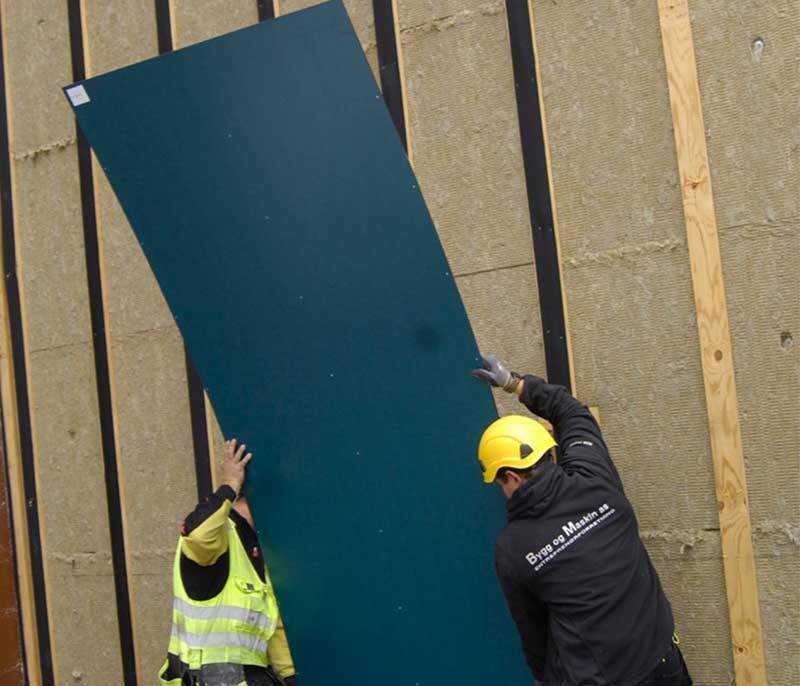
A Rainscreen cladding system is the attachment of a rainscreen panel over, most commonly, a layer of continuous insulation such as mineral wool, an air barrier, and sheathing that is externally fixed onto the core structure of the existing building. This creates a ventilated cavity between the façade itself and the existing building, forming a double-wall construction. This method is designed to keep moisture out while still allowing the building to breathe:
- The inner layer provides thermal insulation and prevents excessive air leakage. The insulation/air barrier/sheathing assembly, which is attached to the existing structure, provides an airtight barrier and thermal insulation to the building.
- In addition to the aesthetic value, the outer layer rainscreen panels act as a barrier against driving rain, ice, snow, and strong winds, preventing moisture from leeching through the exterior walls of the building.
Types of Rainscreen Cladding Installation Methods
There are three types of rainscreen panel installation methods available for composite stone rainscreen panels: Face fix, Adhesive Secret Fix, and Mechanical Secret Fix:
Face Fix
This is the most common method used throughout the US. Fastener holes can be predrilled in the factory as well as color-matched screws available.
Adhesive Secret Fix
Popular across Europe but relatively unknown throughout the US, the Adhesive Secret Fix offers the same look as Mechanical Secret Fix but without the drilling and extensive preparation. This method saves time and is more cost-effective.
Mechanical Secret Fix
Only available on certain thicknesses, the Mechanical Secret Fix can achieve a seamless overall look. It is the most expensive installation method and requires a very specific installation.
Have additional questions? Please contact us. We’re more than happy to help.
Types of Rainscreen Corners
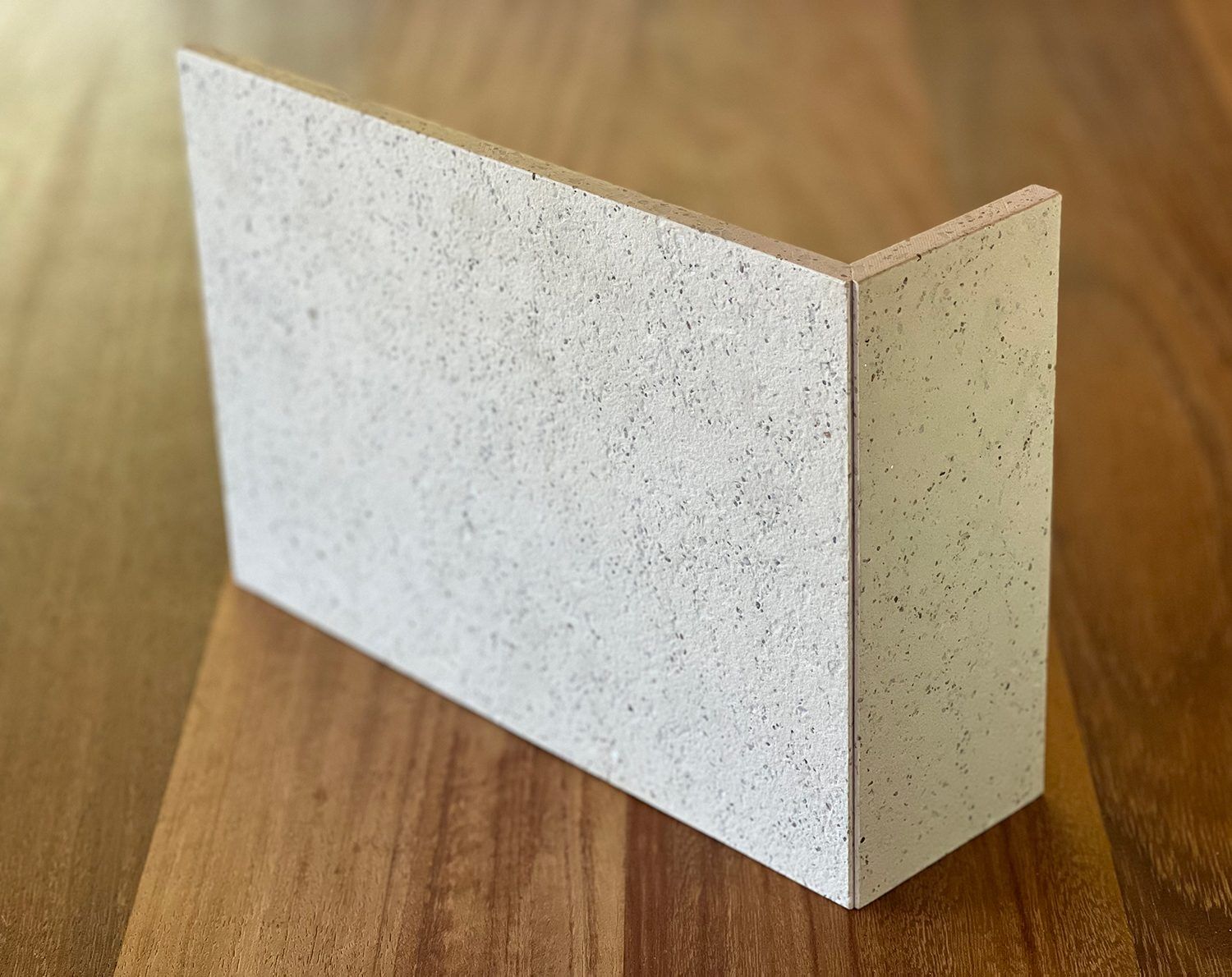
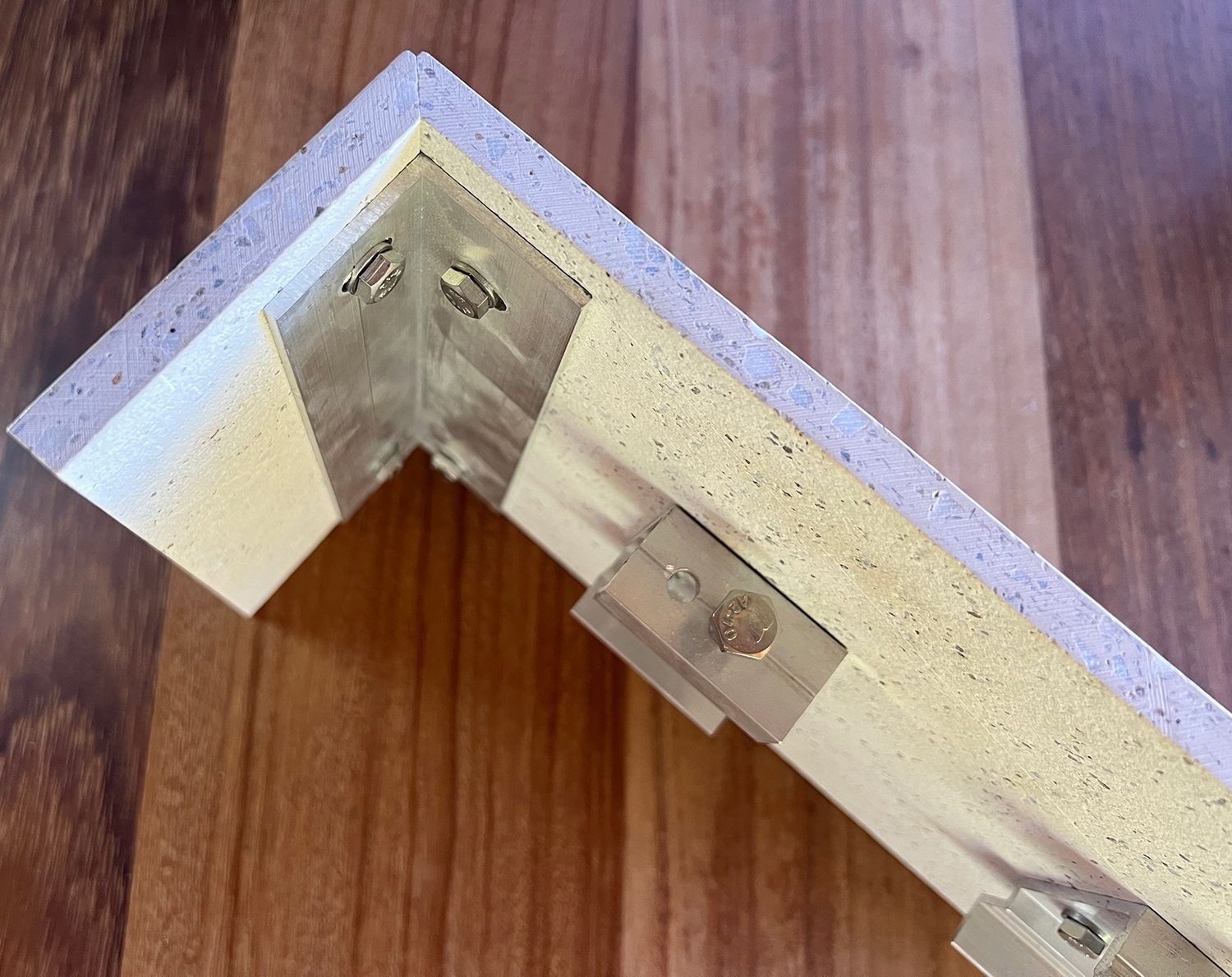
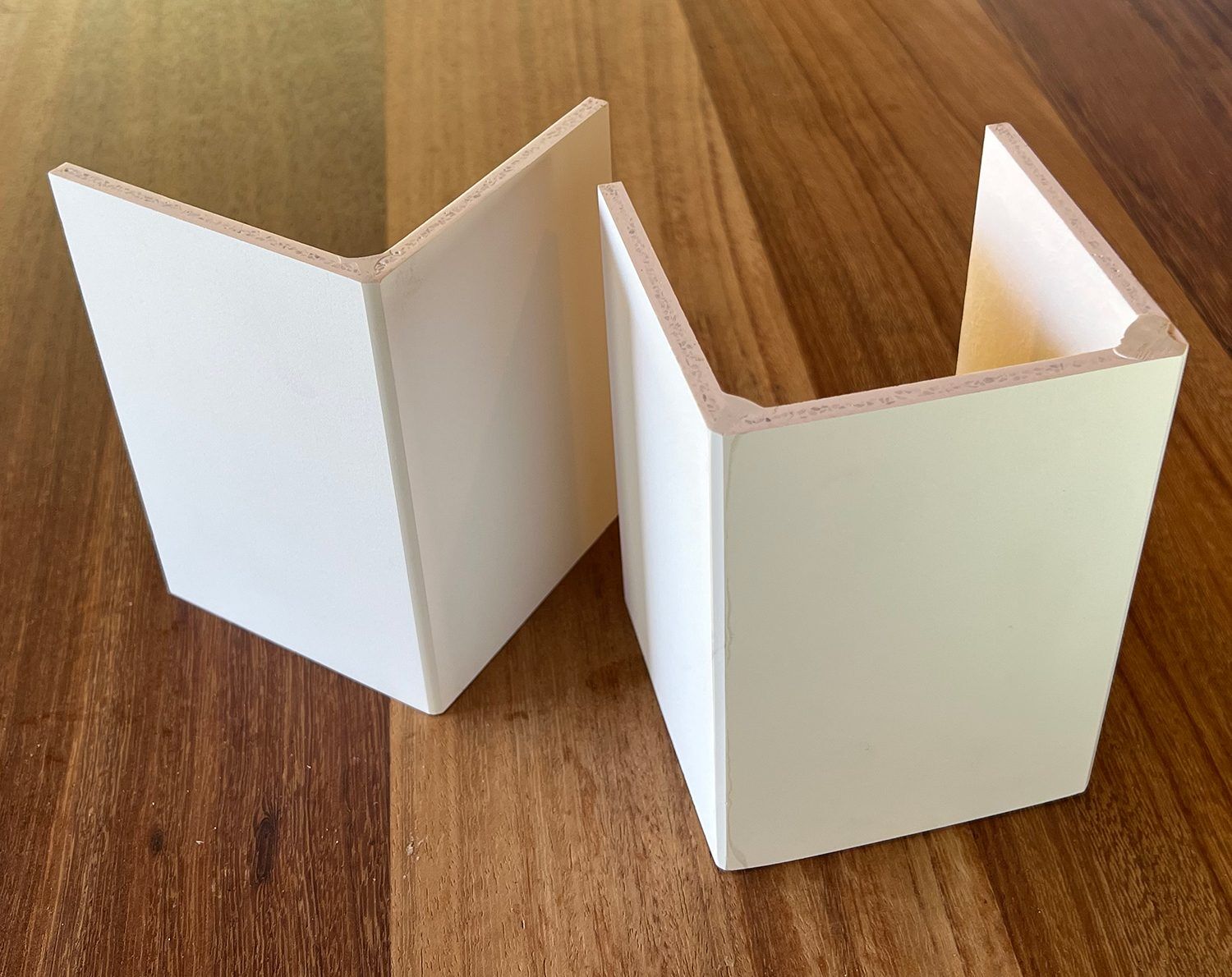
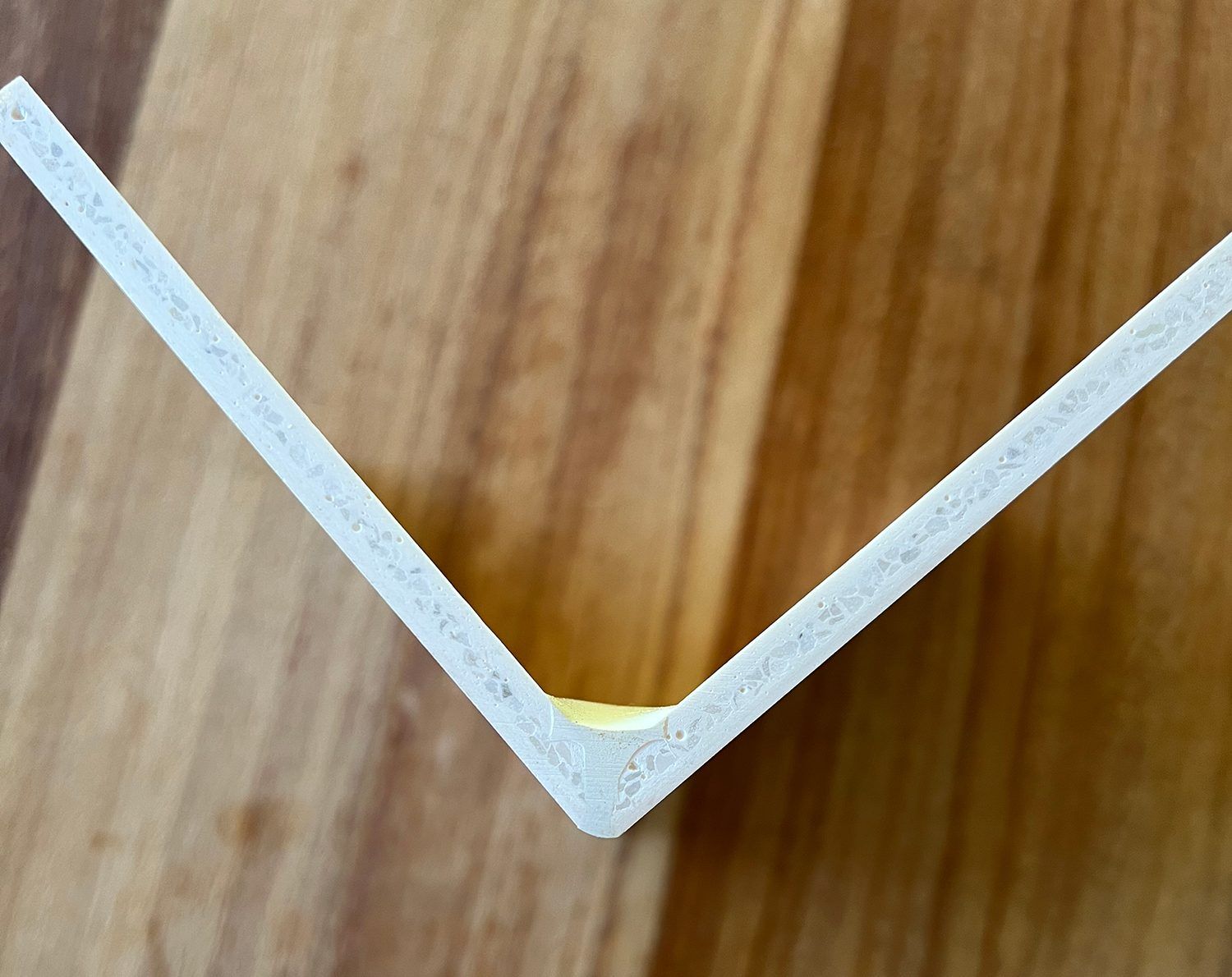
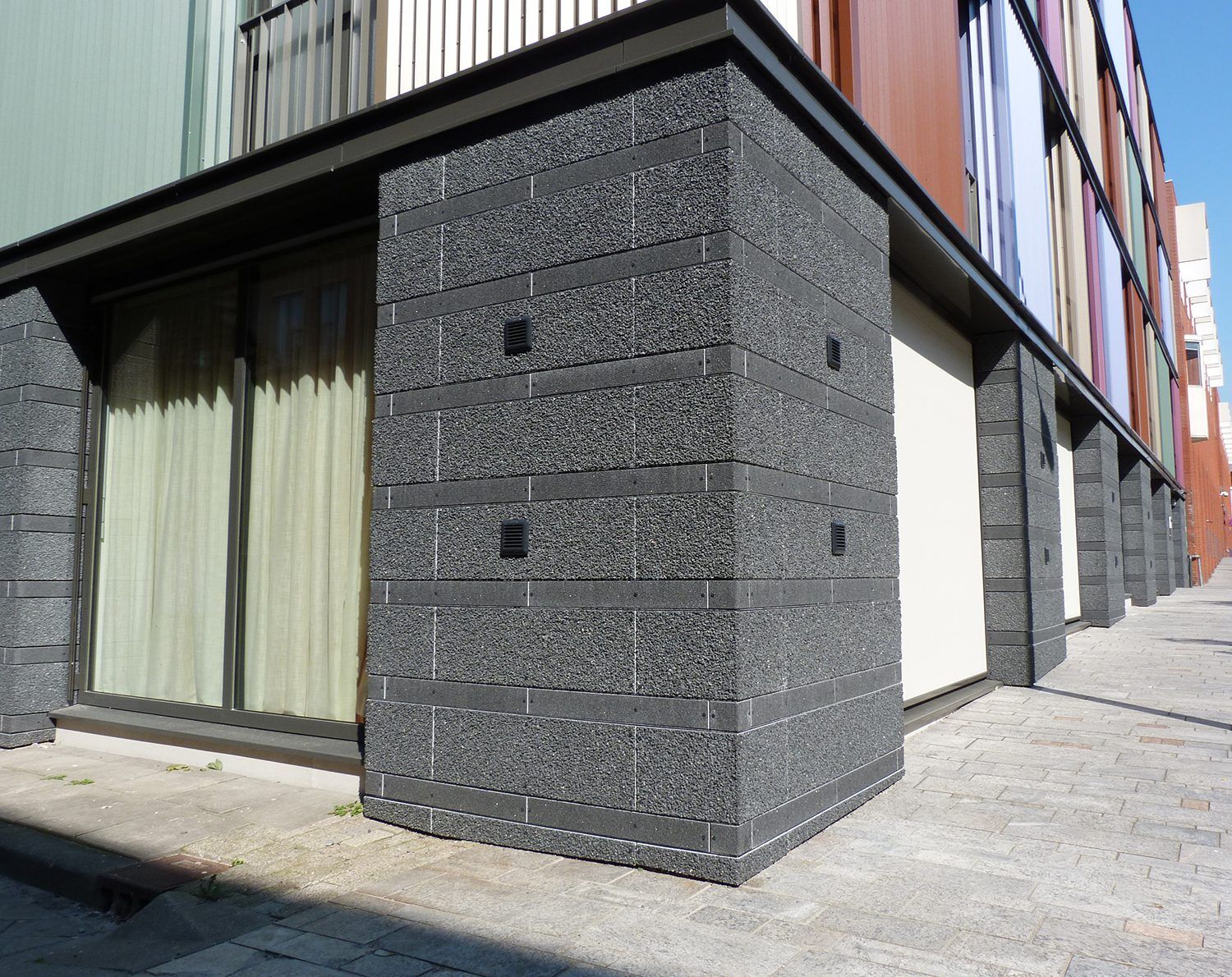
There are a few types of rainscreen corners. The first and easiest is a butt joint, which leaves a small open joint between the two panels that make the corner.
STENI offers a fused bent corner to create an L or U-shaped element that is completely closed. These elements can be created in a wide range of right and obtuse angles.
Petrarch has a closed corner using either adhesive or a mechanical fix, and these can be made into L or U shapes as well.
These are primarily aesthetic preferences.

Types of Rainscreen Joints
An open joint rainscreen is the most common type of rainscreen joint. This method allows for the most airflow and possible panel expansion and contraction due to thermal cycling. Petrarch and STENI can both be installed as a closed joint rainscreen. This creates an aesthetic look that is achieved by putting an aluminum extrusion behind the joint, usually color-matched to the color of the panel. It is important to note that not all of the joints are closed, and the panels do not actually touch. The wall does still need some open joints to breathe.
STENI can be installed in a shiplap pattern where the panels overlap. Again, not all joints are closed and the panels do not touch. Petrarch can be installed with a Martlet joint, giving the appearance of a continuous panel with a monolithic design.

Rainscreen Panel Sizes
Rainscreen panel sizes are available in lengths larger than 8 feet. Petrarch’s standard size panels are 4’ x 10’ or 4’ x 8’. STENI can create custom lengths up to 11.5’ in length and can make an even larger impact on a façade.
Rainscreen Panel Design Options
Petrarch has over 1,500 color options with color-matching and customization available. Additionally, Petrarch offers custom molds such as custom ribbed and routing, and custom patterns and images.
Many rainscreen panel manufacturers offer multiple color options. Some offer faux wood siding. Some fiber cement manufacturers offer multiple textures as well. Petrarch and STENI panels offer these options and more.
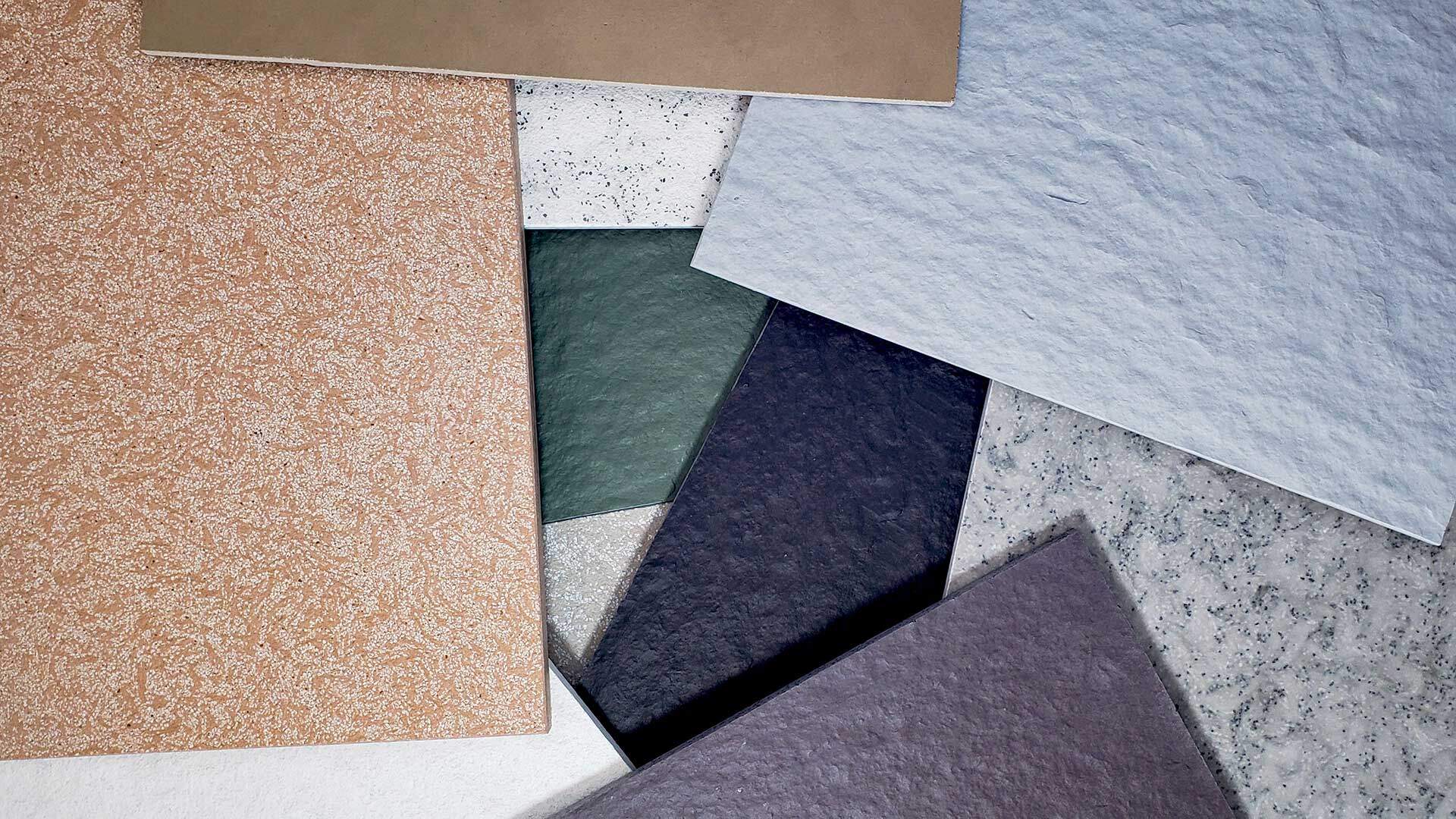
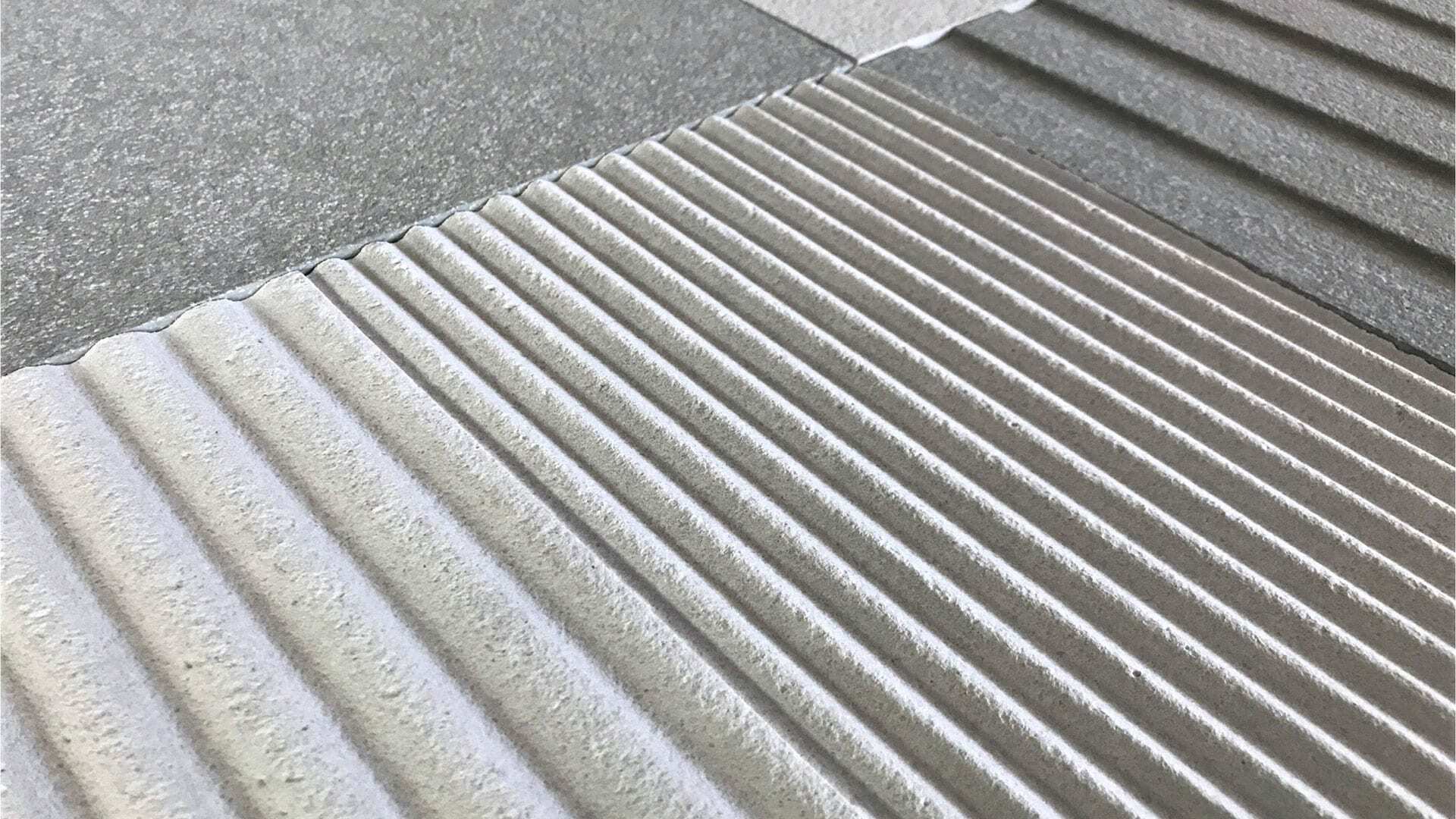
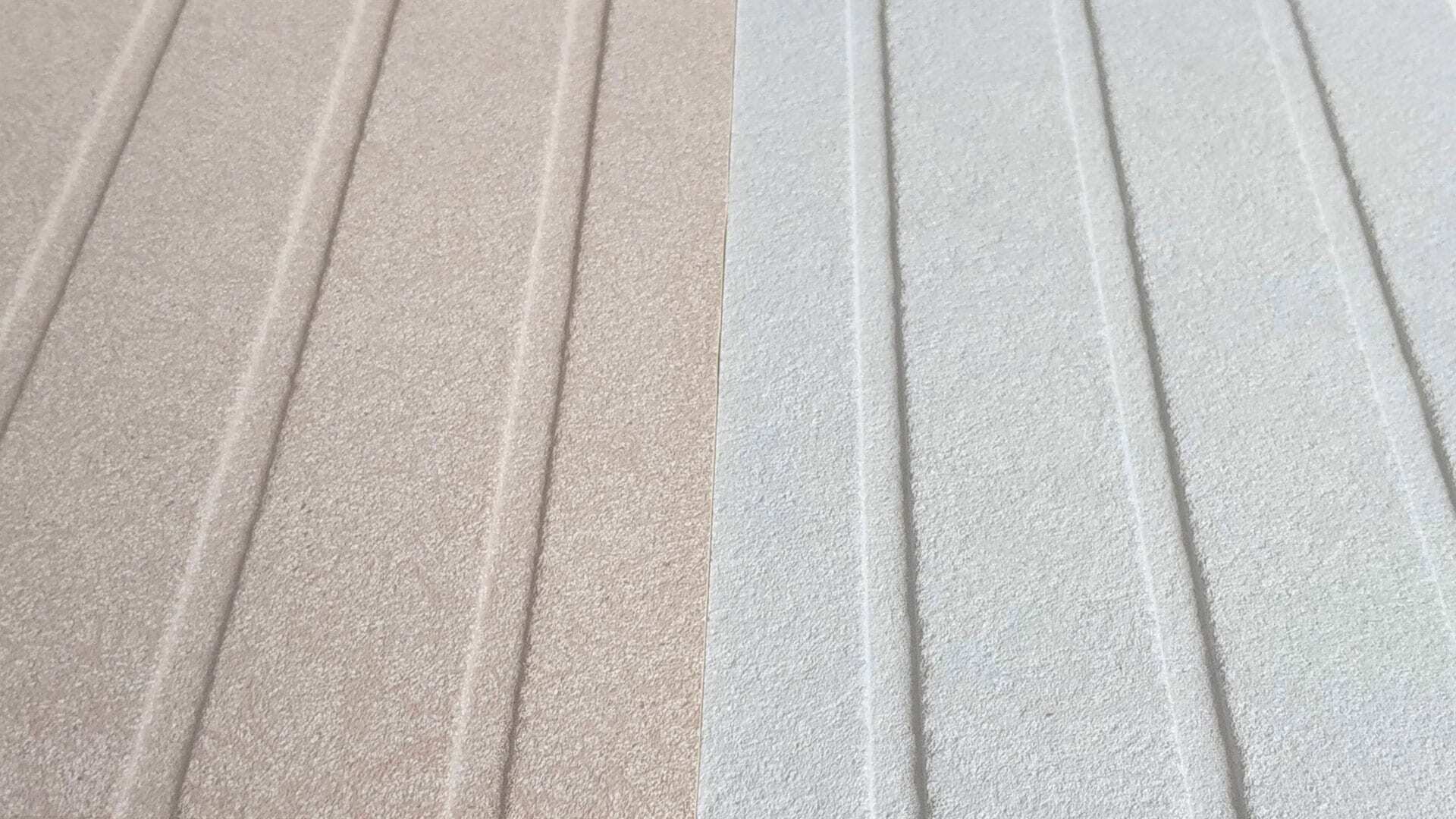
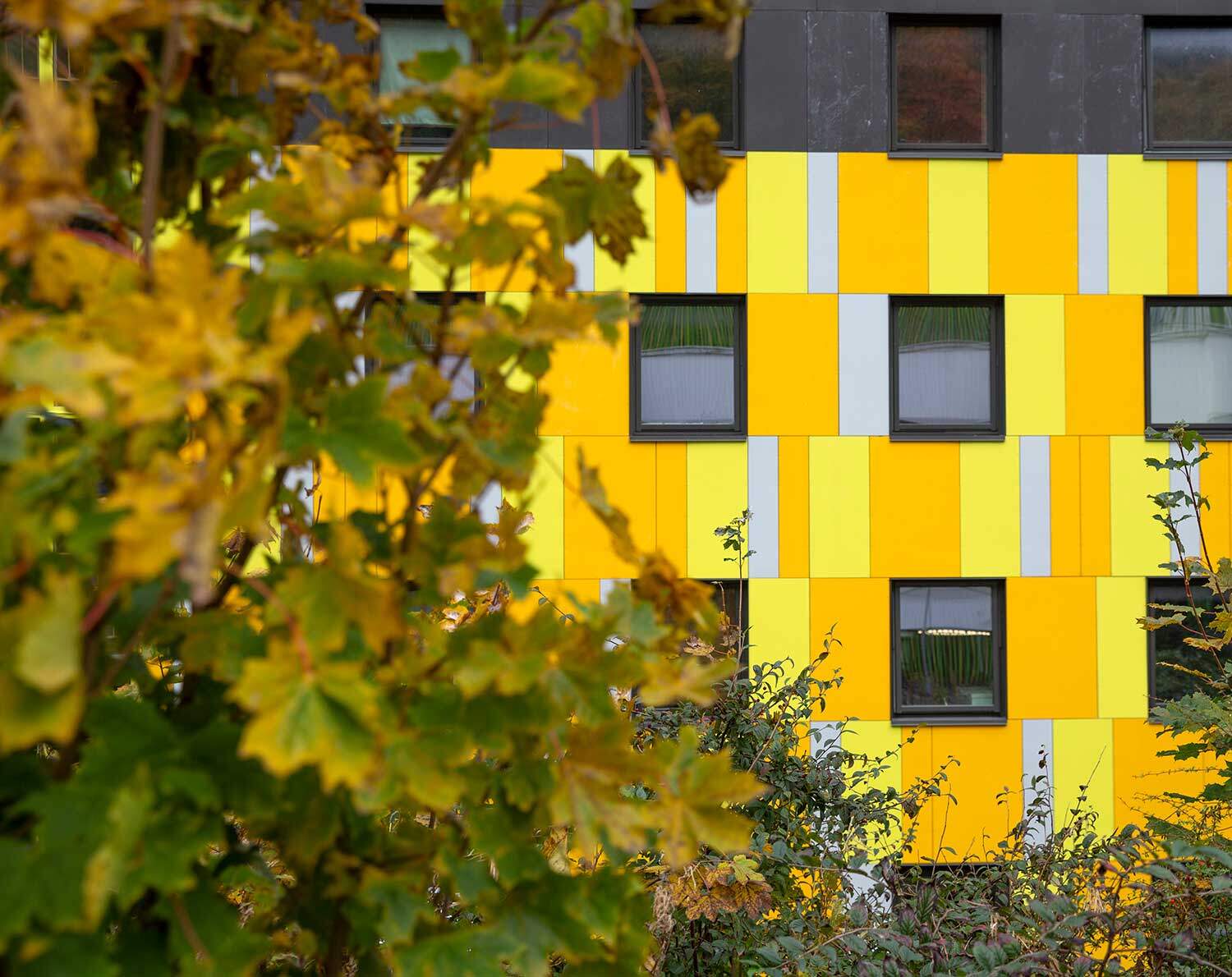
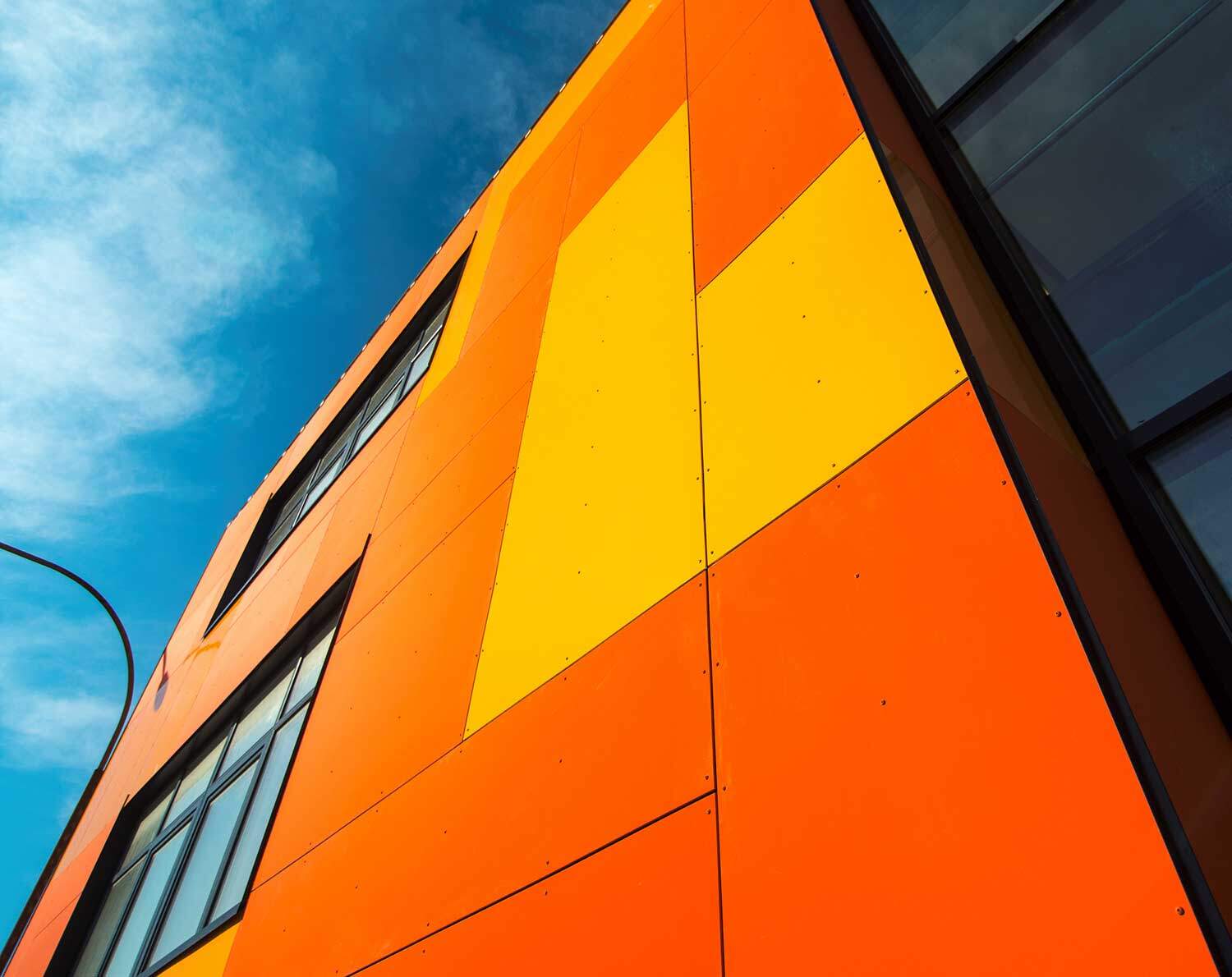
STENI Colour is available in 60 standard colors in three gloss levels. Custom colors are available based on NCS or RAL.
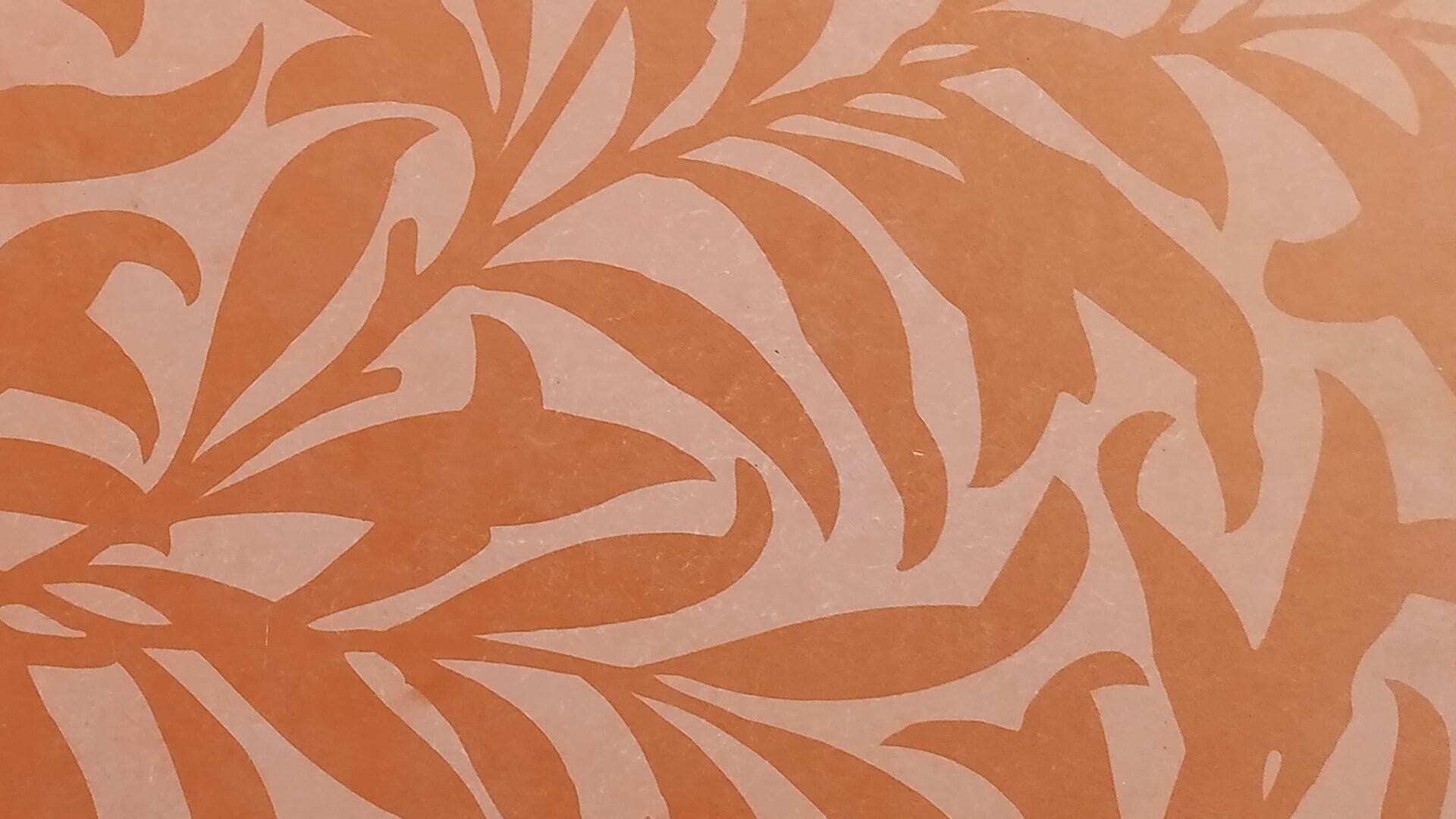
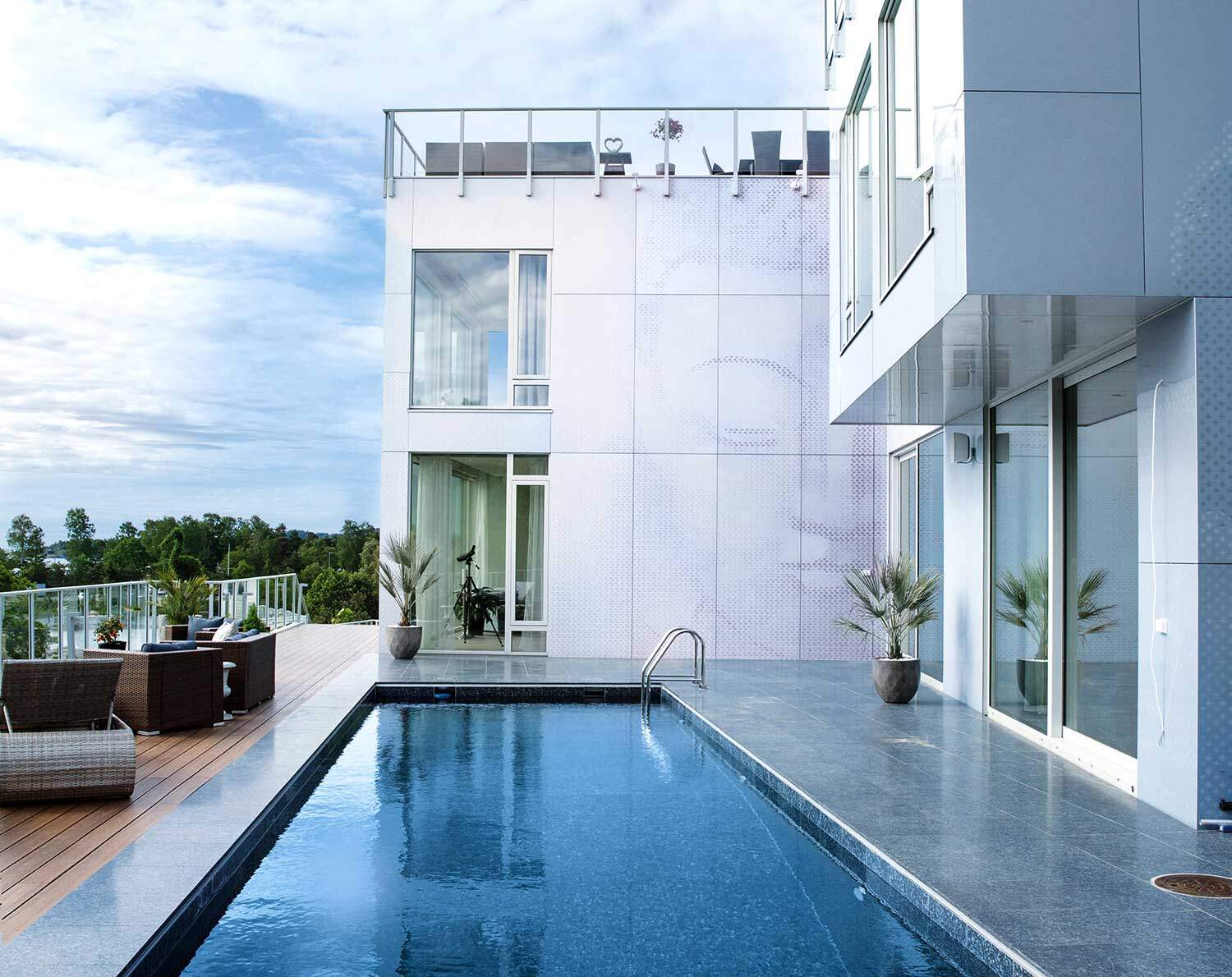
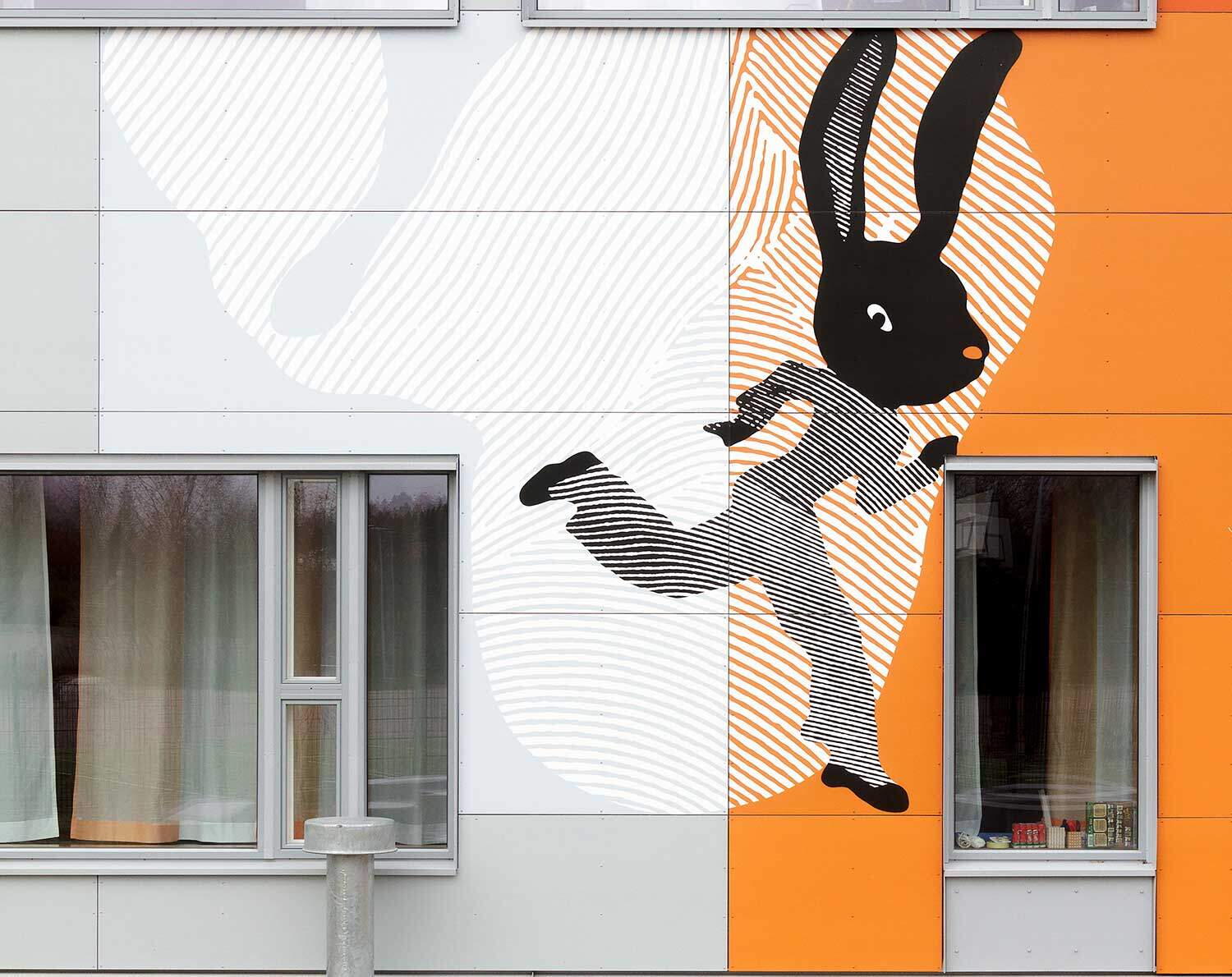
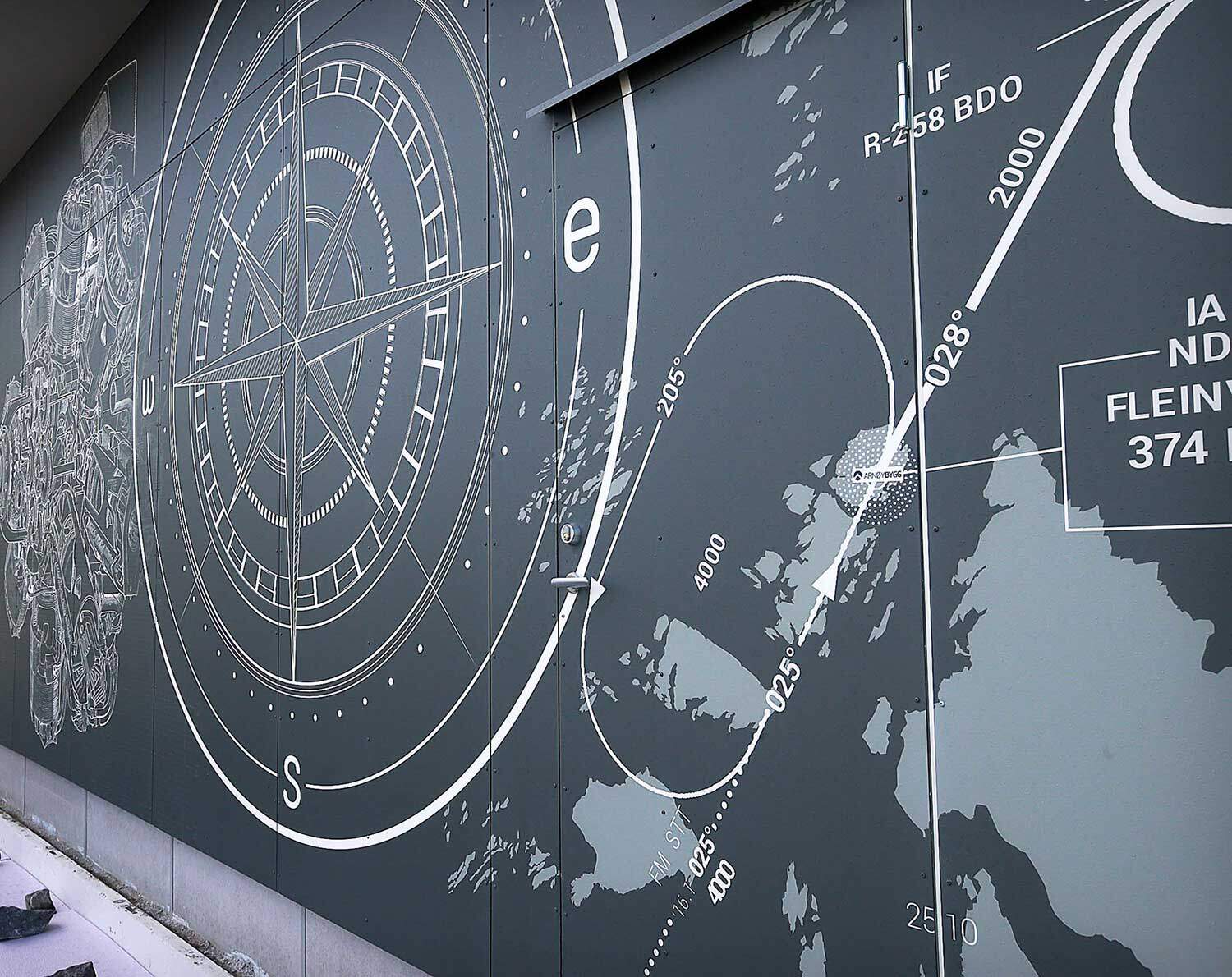
STENI Vision gives designers the freedom to put custom designs on the façade of a building. STENI offers 14 standard designs in stone, wood, concrete, and decorative patterns.
STENI Vision gives designers the freedom to put custom designs on the façade of a building. STENI offers 14 standard designs in stone, wood, concrete, and decorative patterns.
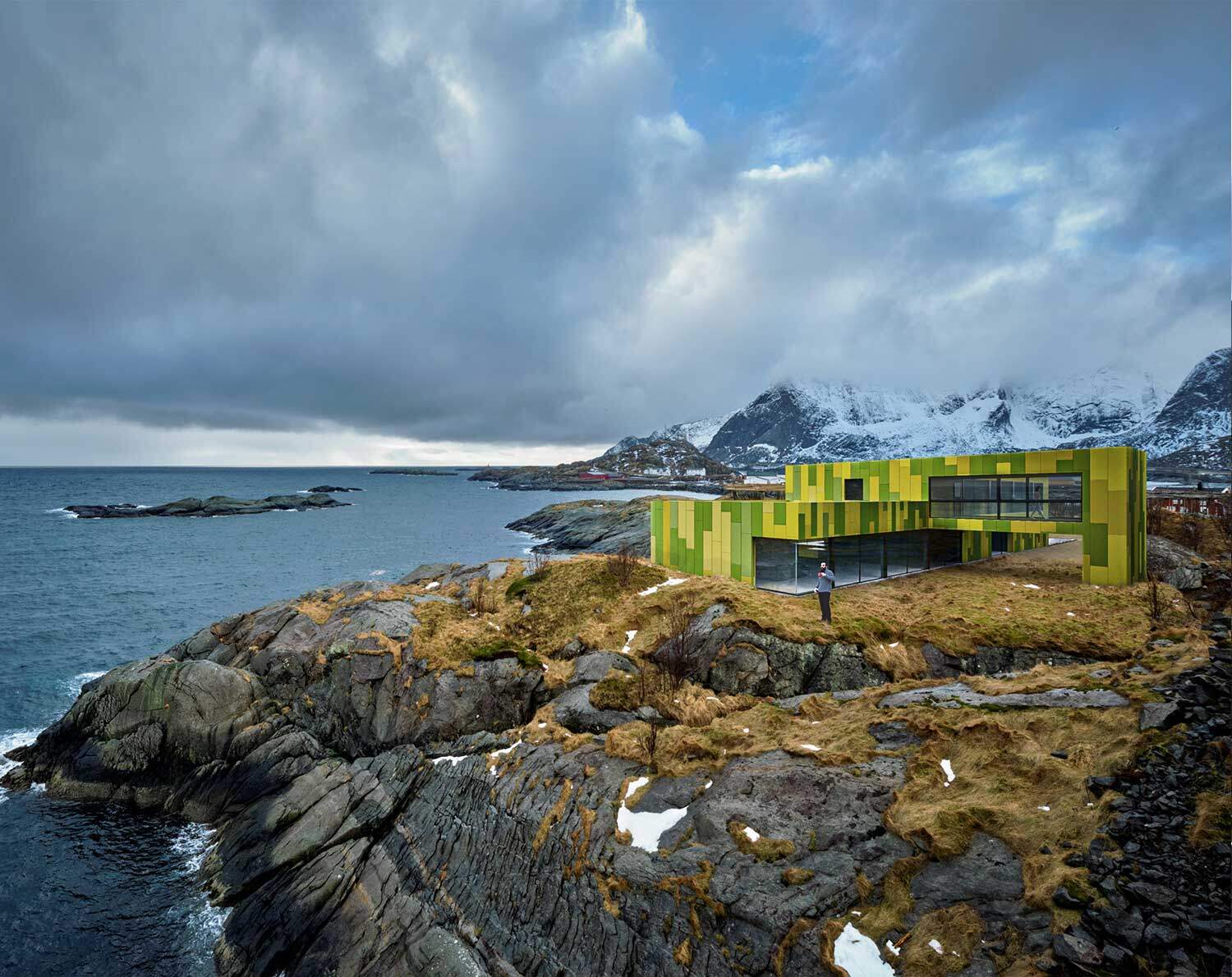
Check out our blog on the Arctic Salmon Center for an incredible example of what Steni Vision can do.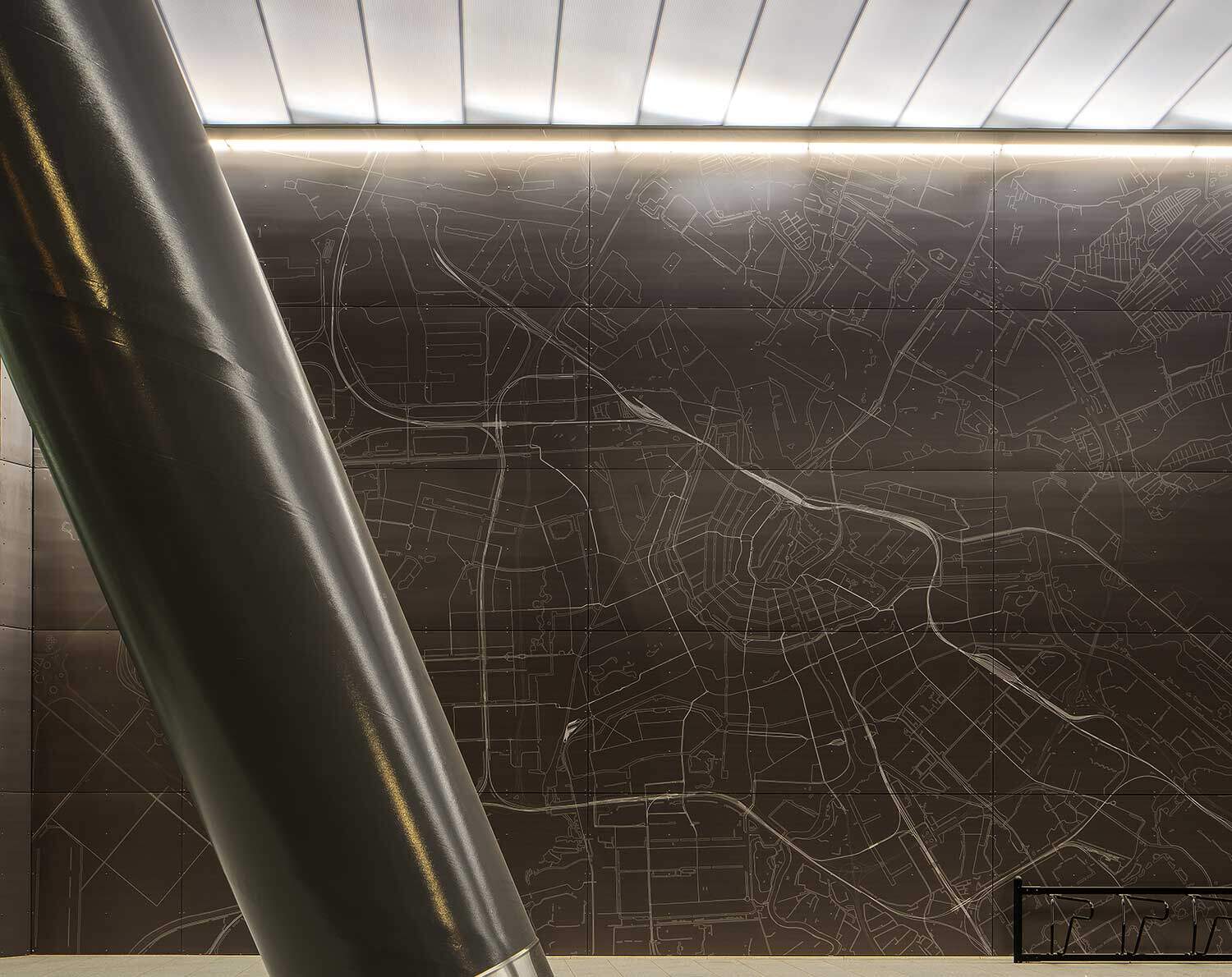
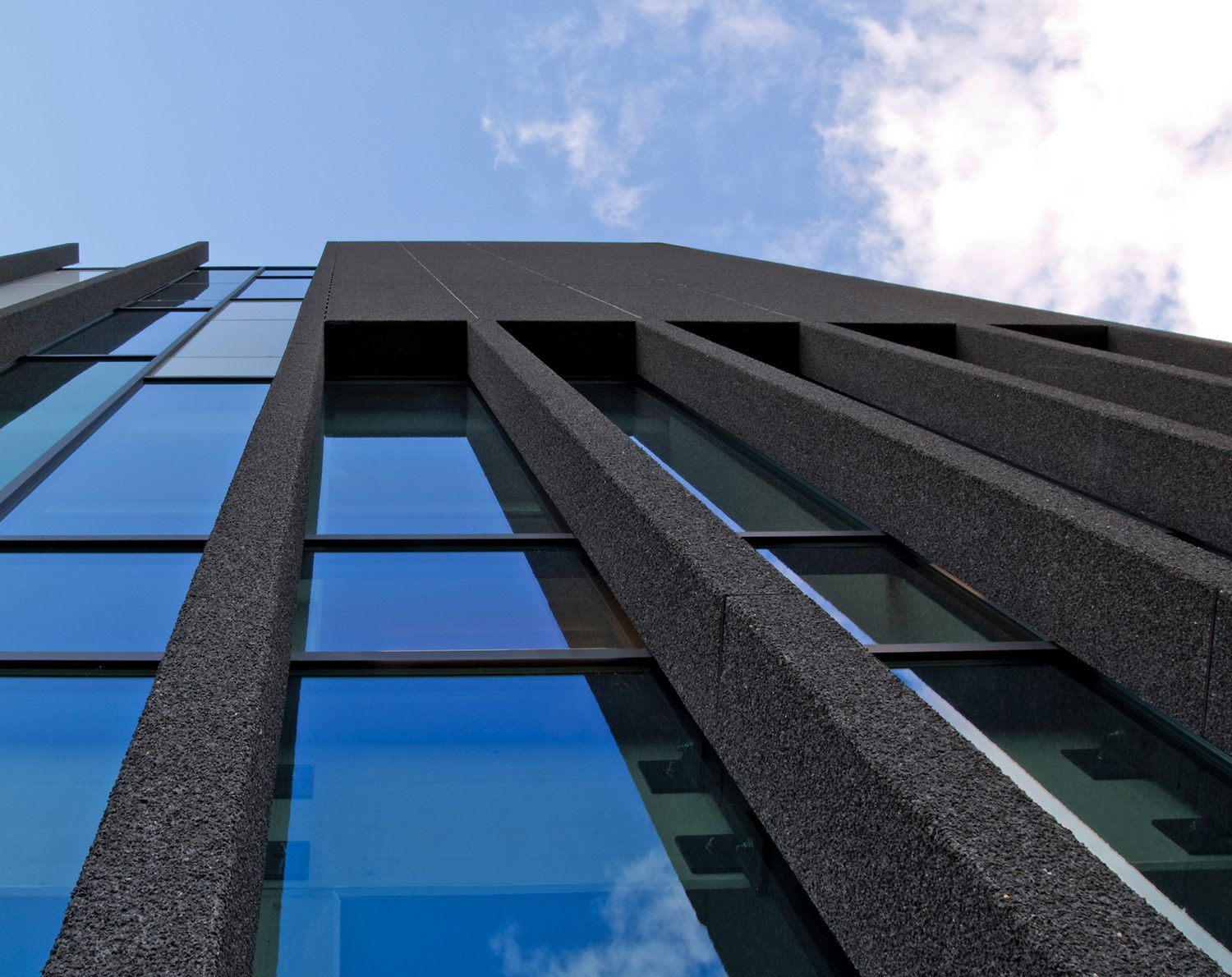
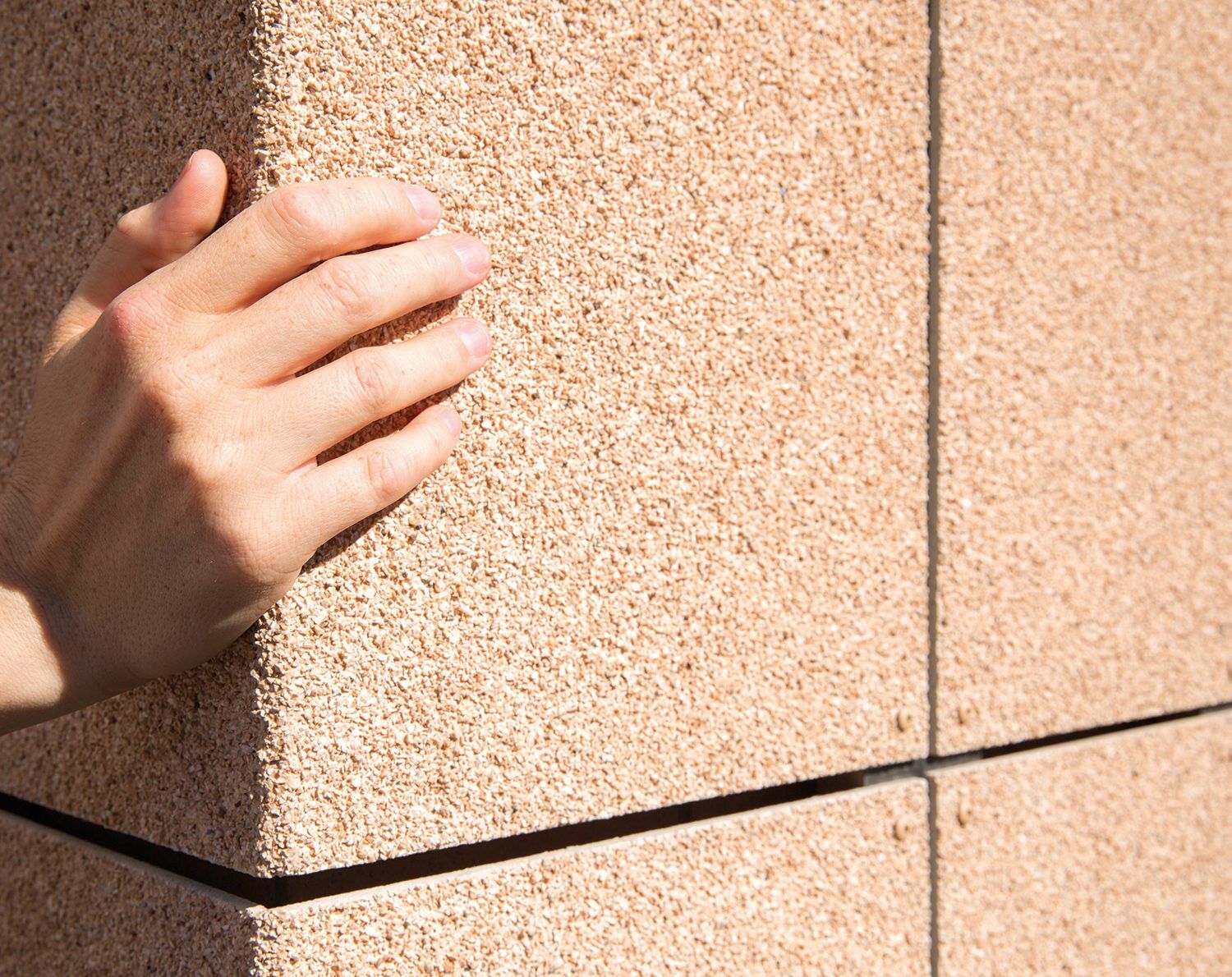
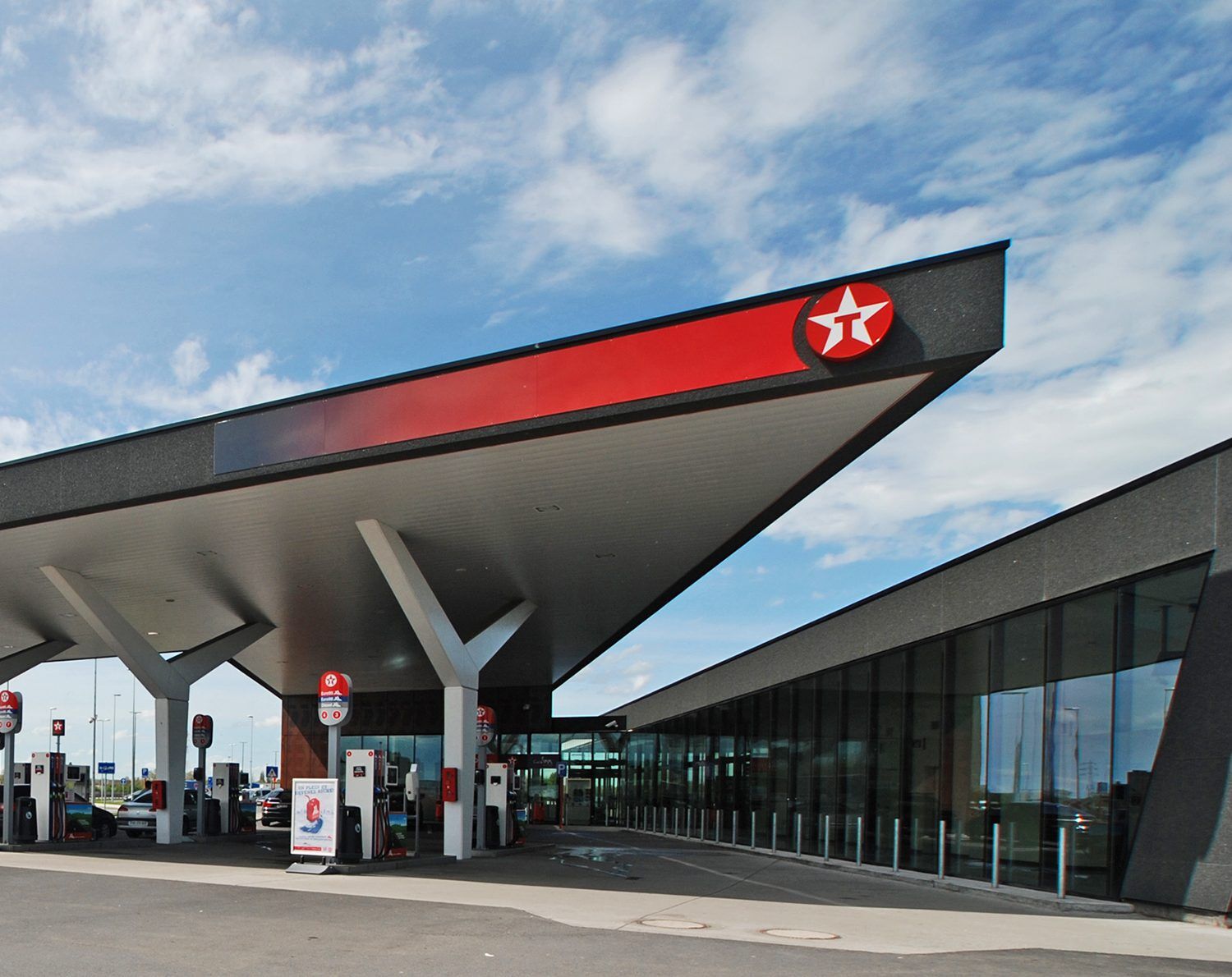
STENI Nature façade panels are stone composite panels with a surface of aggregated natural stones. STENI Nature panels are available in 12 colors in natural stone with up to four grades of coarseness: Microfine, fine, medium, and coarse.
Rainscreen System Installation Tips
- Handling – Lift rainscreen panels off of the pallet (do not slide them) when ready to use. To carry them, tip the panels onto their edge and carry them vertically.
- Cutting – Rainscreen panels can be cut on-site with a diamond-tipped blade. A wet saw is not required for cutting Petrarch and Steni. For the cleanest and straightest lines, a guide rail should be used.
- Drilling – Tungsten carbide drill bits are the most effective for on-site drilling for Petrarch panels. A Diamond coated drill bit is most effective for Steni panels.
- Joint Spacing – When installed on a wall, the minimum gap between panels should be 3/8" for Petrarch panels and ¼" for Steni panels to allow room for thermal expansion. At the bottom and top of the wall, there should be ¾" to allow for proper air intake and venting to maintain rainscreen principles.
- Face Fixed Attachment Points – Petrarch panels should have one screw/rivet that is in a fixed point with a smaller drill hole. This fixed point should be close to the center of the panel. The other screws/rivets should be inserted into the exact center of larger, sliding drill holes. This allows the panels to thermally expand and contract without damaging the panels. Due to Steni's lack of cycling, they do not require a fixed-point hole and all drill holes are the same size.
- Foam Tape – Best practice is to apply foam tape to framing behind the panels. This will prevent any water from being trapped behind the panels and leeching through to the face of the panel.