Health & Well-Being Through Architecture
How does the built environment affect individuals’ behavior and well-being? This question is being studied in a new area called Neuroarchitecture: designing environments based not only on legislation, ergonomics, and environmental comfort but also on emotion, happiness, and well-being.
How individuals see their environment provides insight into architectural design’s significant influence on how the brain interprets contours, forms, colors, light, and spatial situations. This approach applies natural light, color psychology, and biophilic design to foster environments that support psychological and physiological health.
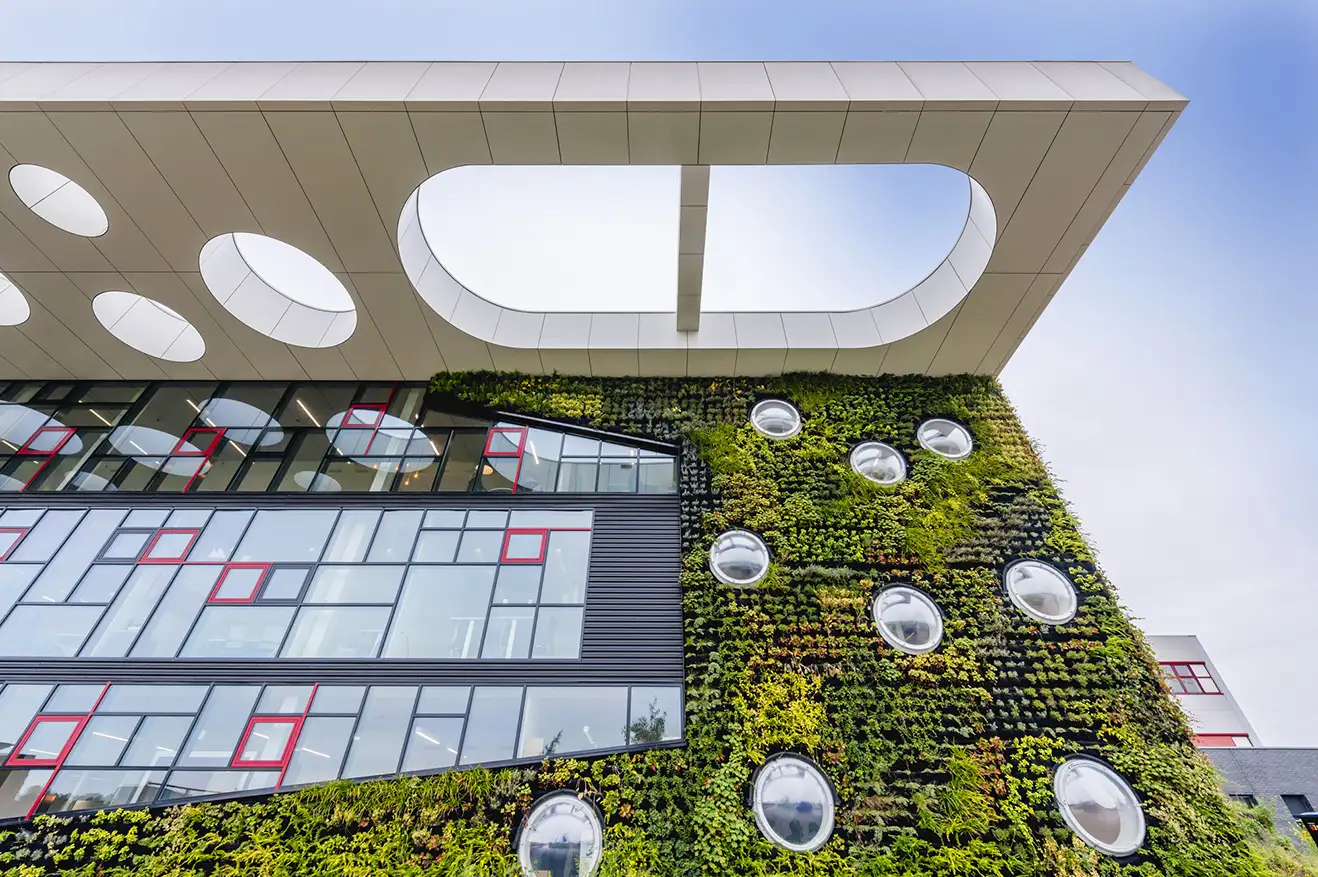
Biophilic architectural design connects building occupants more closely to nature. Biophilic-designed buildings incorporate natural lighting and ventilation, natural landscape features, and other elements to create a more productive and healthy built environment.
The AIA’s Health and Wellbeing policy mandates that architects actively consider and prioritize the health and well-being of occupants within their designs, incorporating wellness-focused features and utilizing research-based strategies to achieve positive health outcomes through architecture. Spaces should resonate with human psychological needs, and create environments that support and improve health, learning, and creativity.
NBBJ Leading the Industry in Neuroarchitecture
NBBJ focuses on Experience Design in projects ranging from urban projects to hospitals, stadiums, landscaping, and schools.
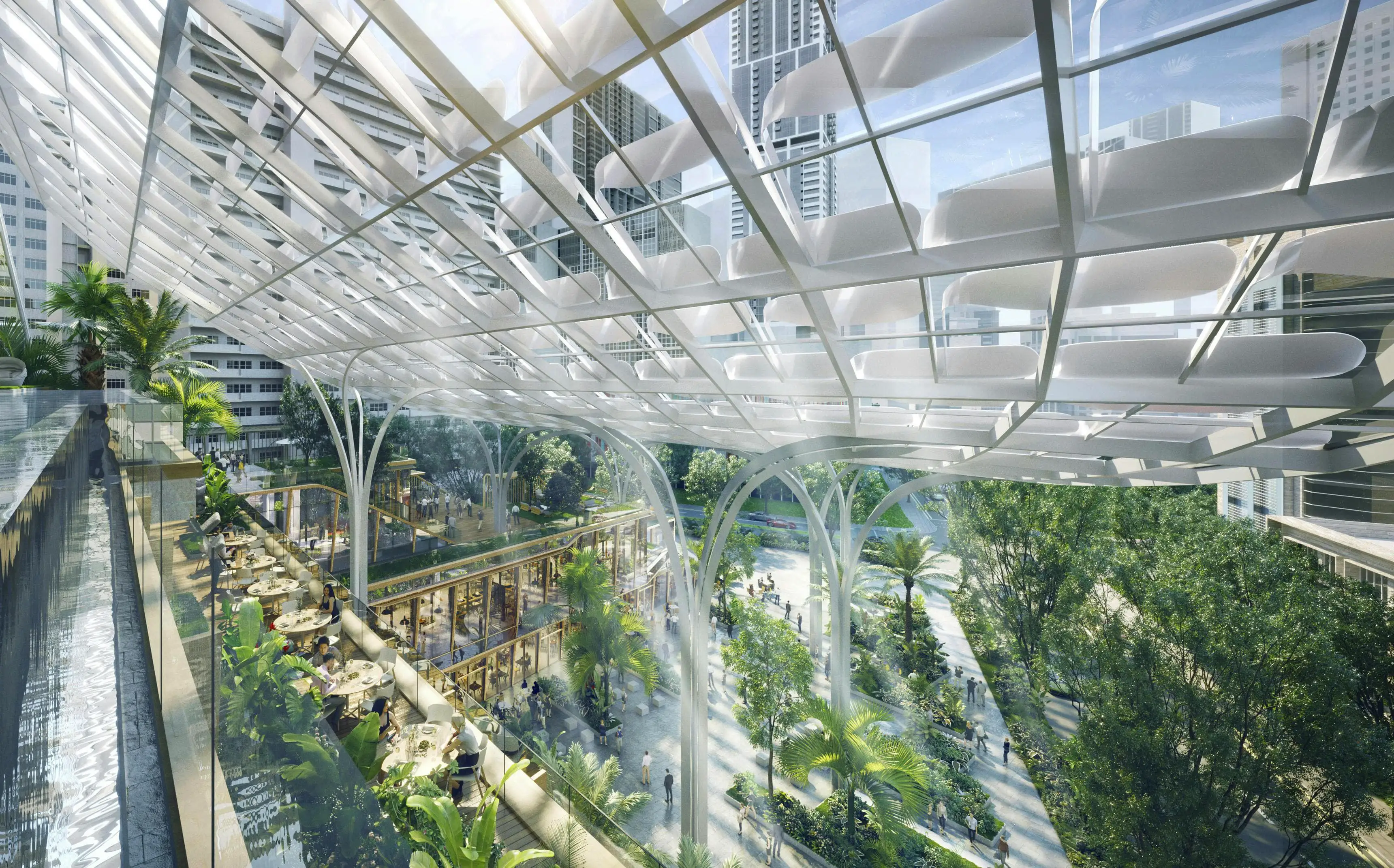
The success of buildings—and people—is often measured by their performance. But the environments where we live and work should also support the health of our bodies and brains, not to mention that of the planet. NBBJ created a vision, master plan and concept for the 32-story Keppel South Central mixed-use development, which marries distinct architecture with a focus on sustainability and energy efficiency. The resulting design represents the future of work, reimagining the office typology through restorative spaces and connection to nature, fresh air, and opportunities for social interaction.
Omnis Panels Projects
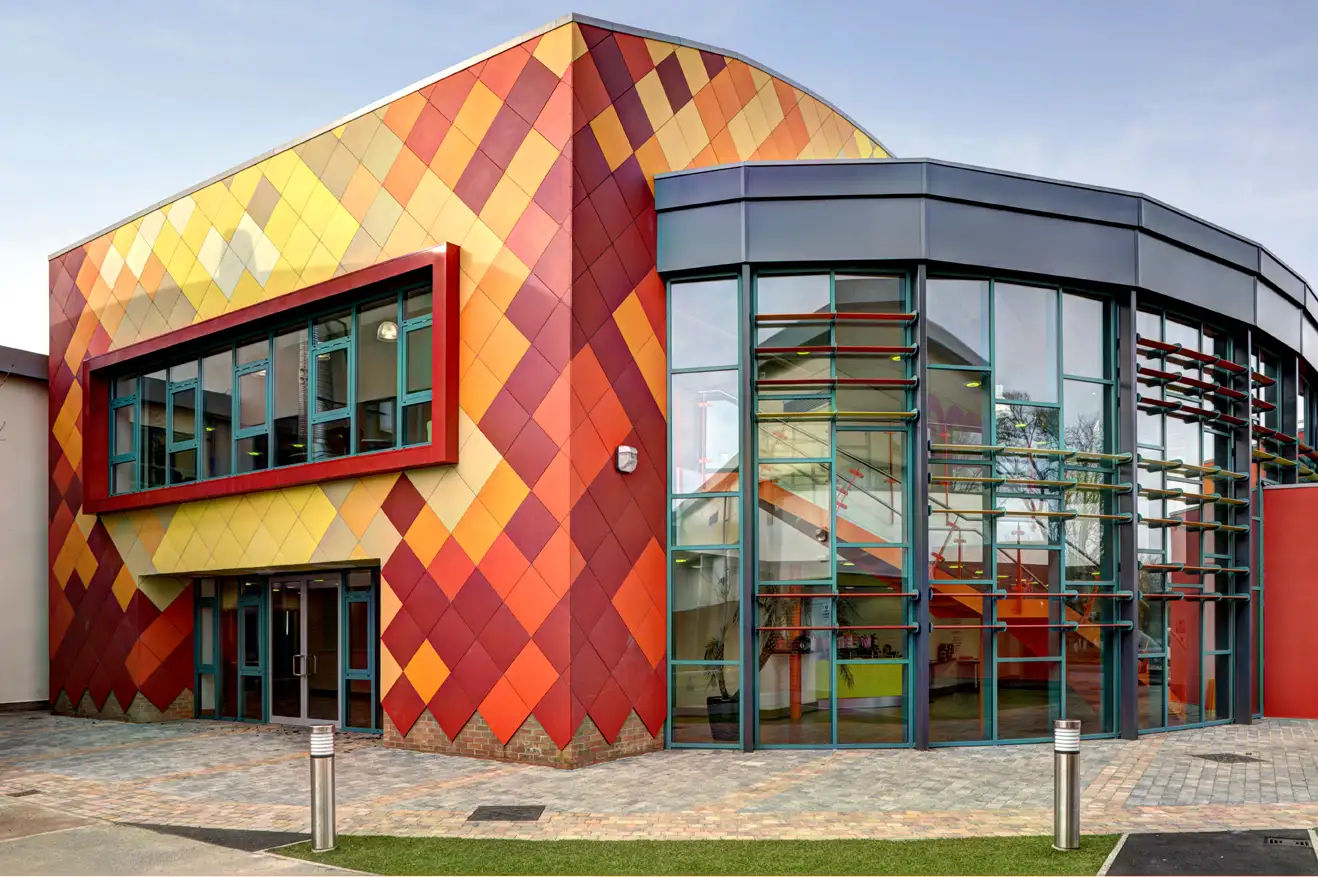
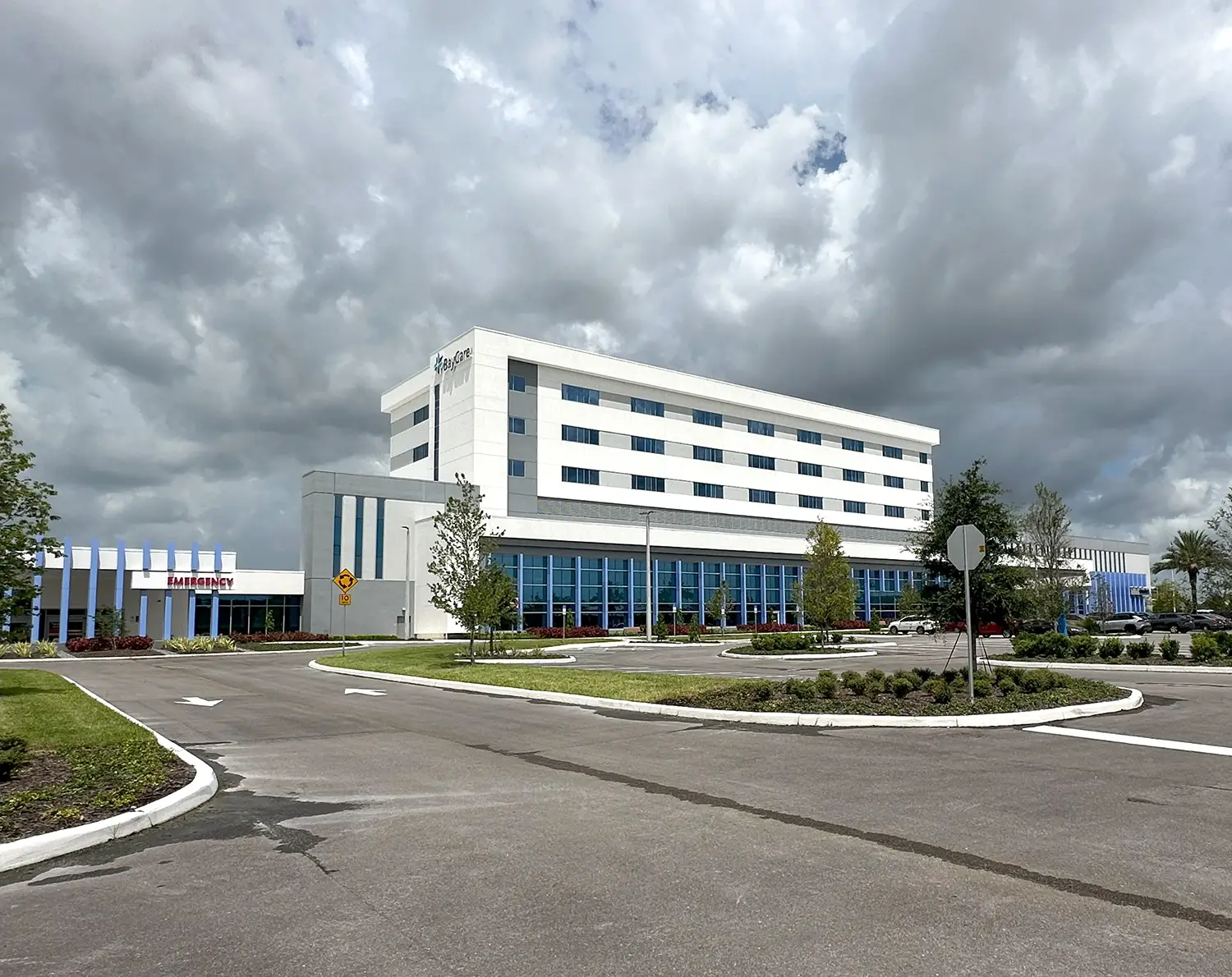
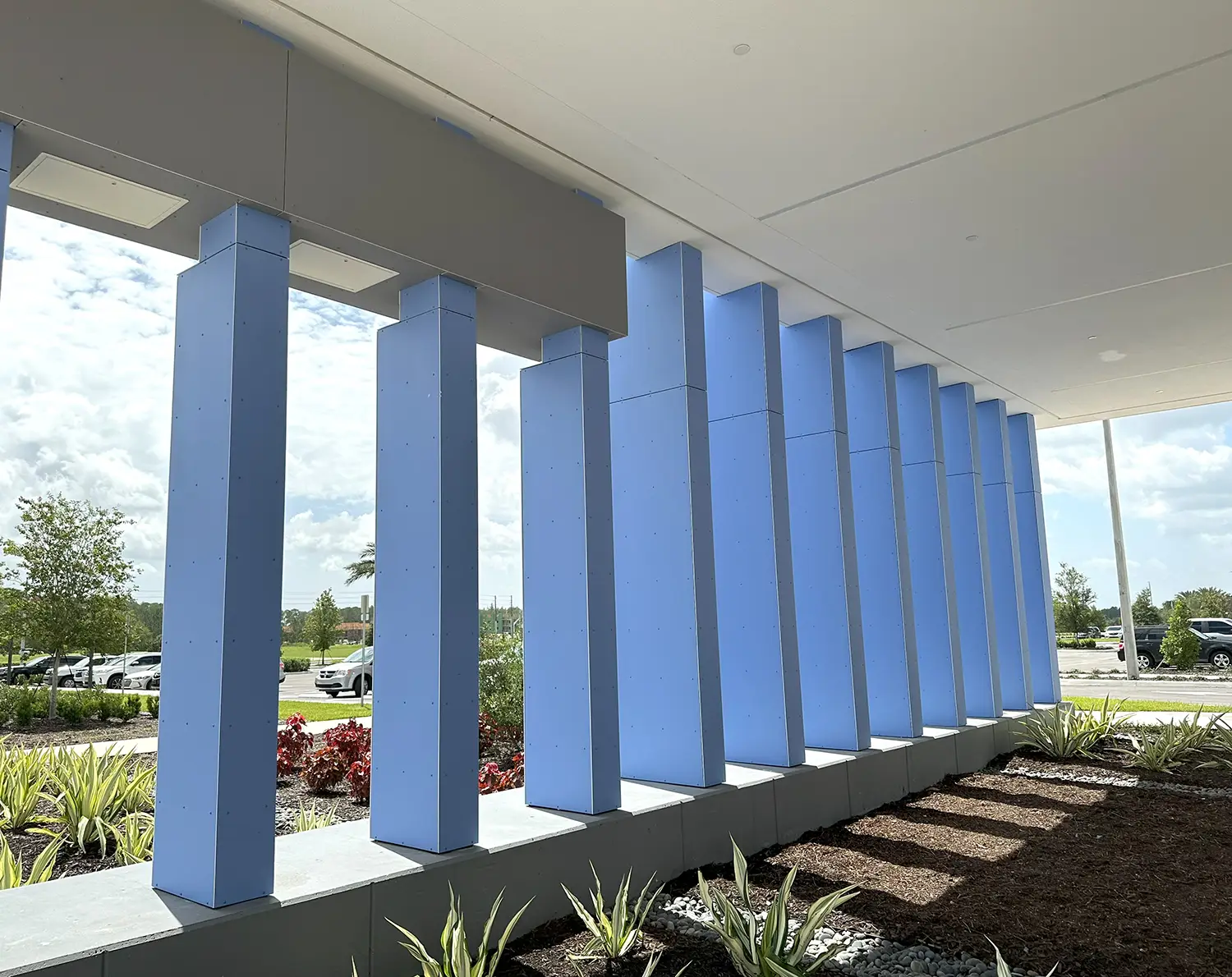
Healthcare
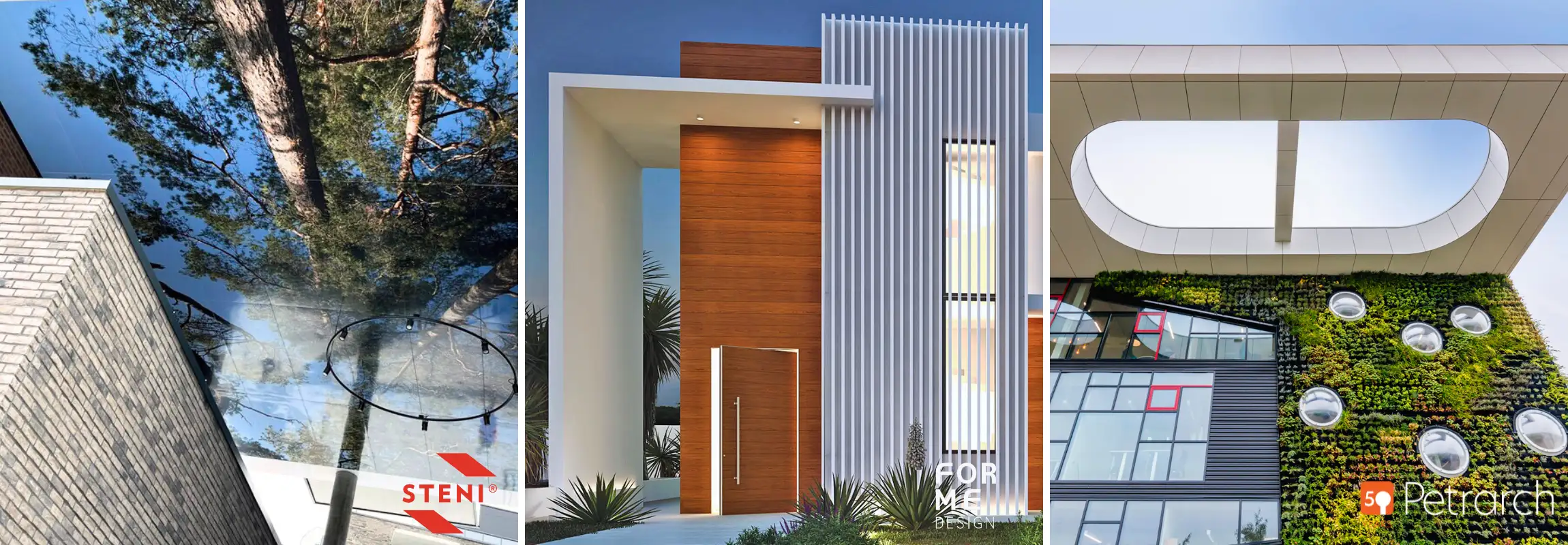
Steni Colour Panels Soothing Colors Connect Exterior to Interior Healing Spaces.



Residence
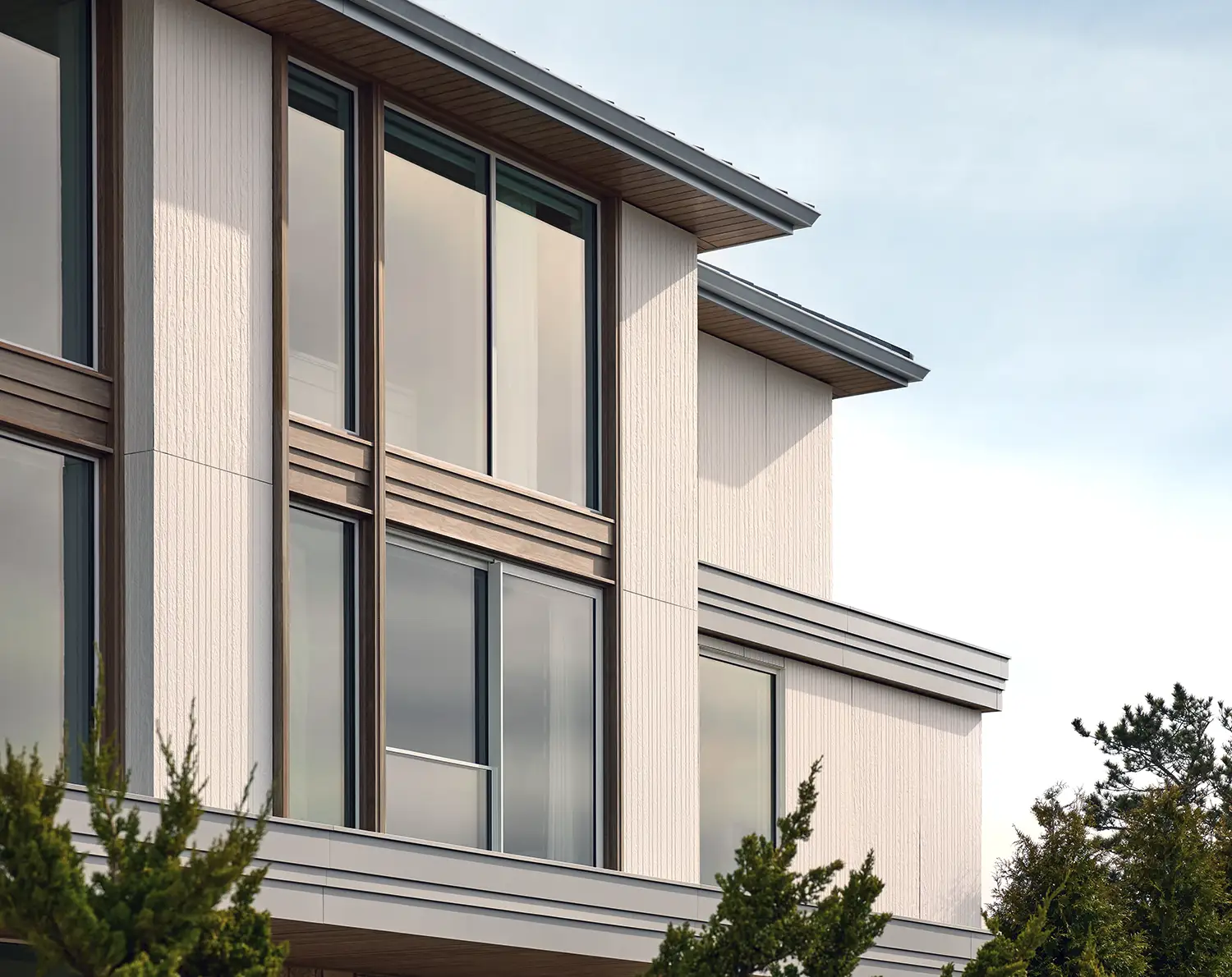
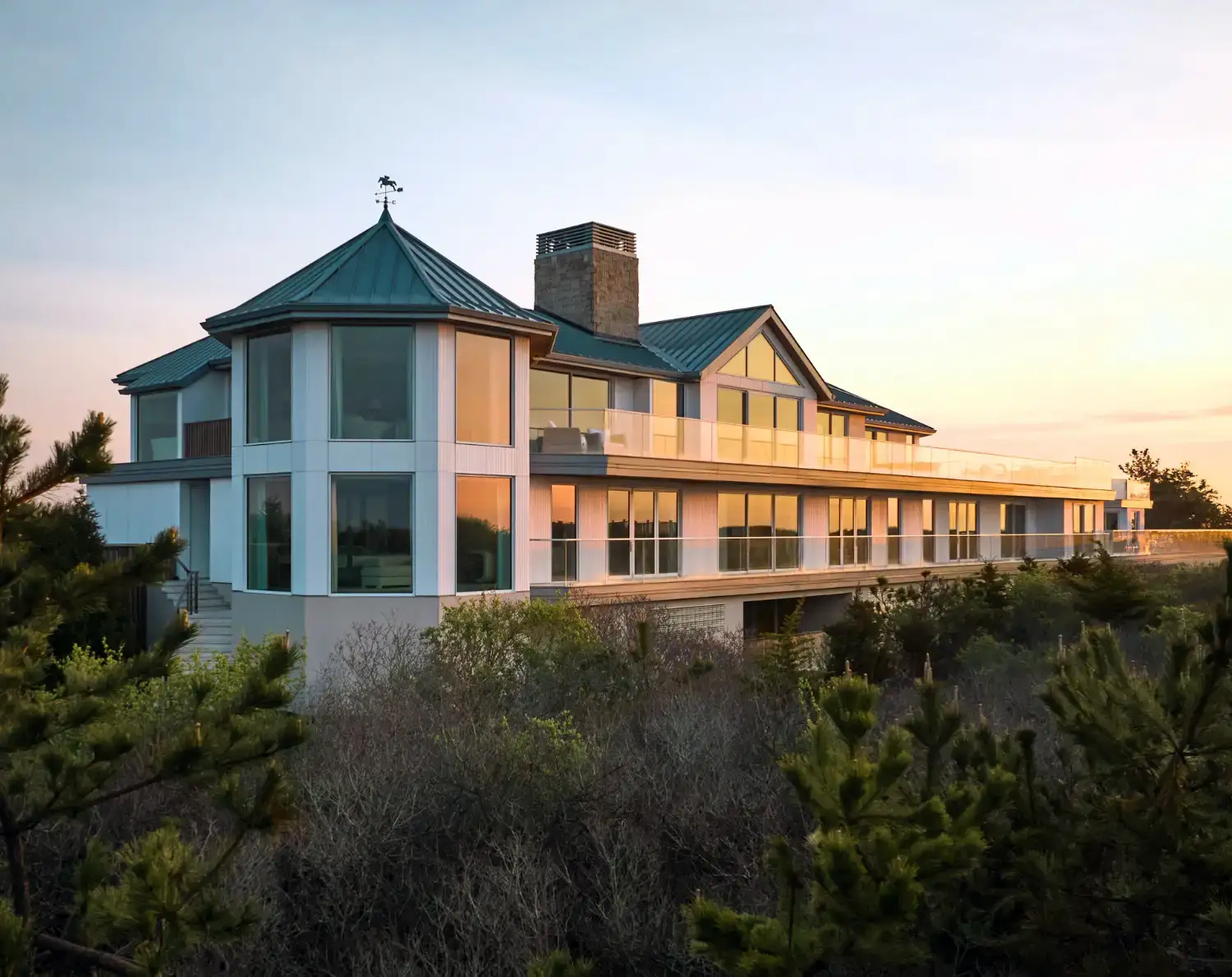
Petrarch Panels Mimic the Organic Beauty of Cleft Stone, Complementing the Natural Beauty of the Surroundings
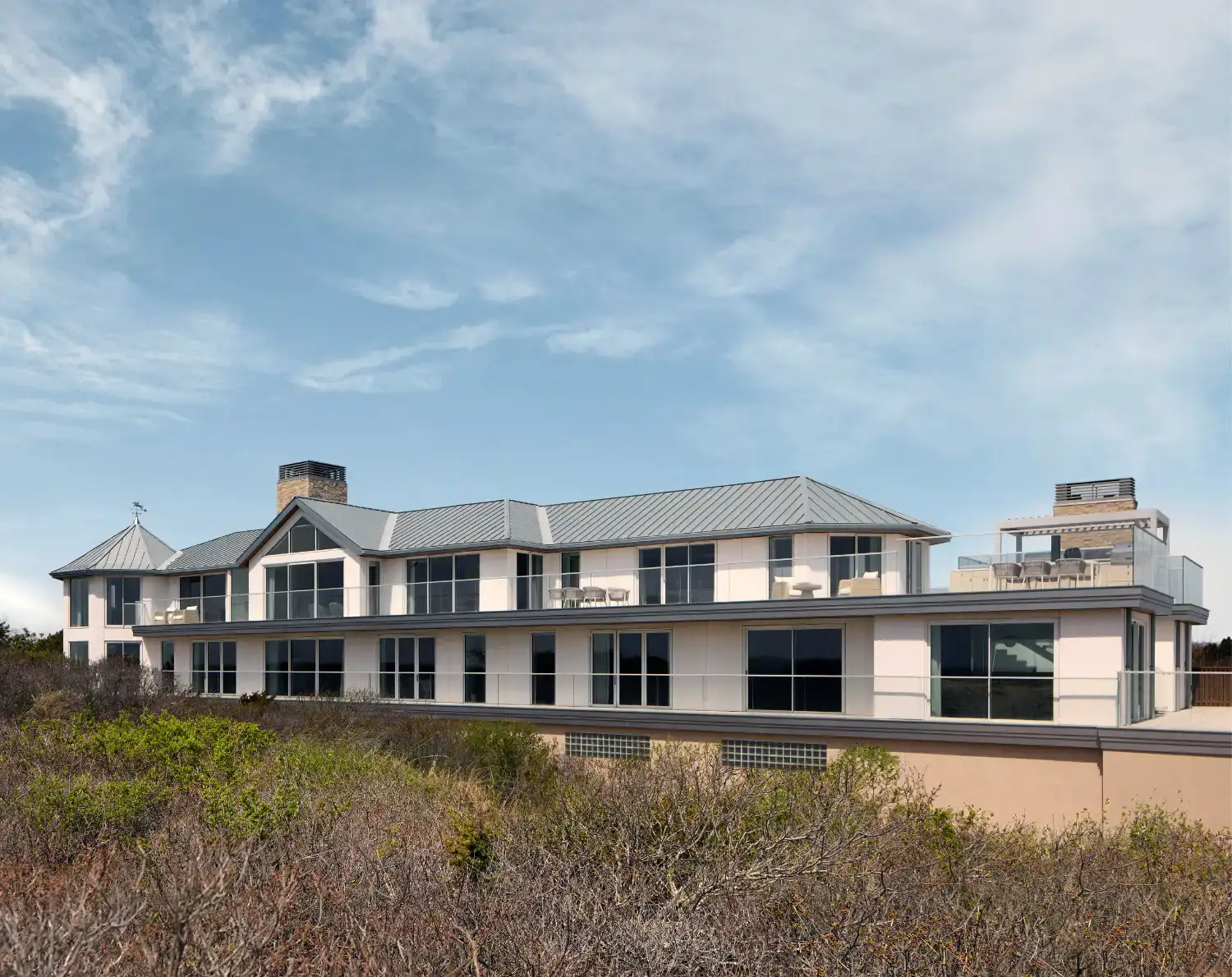
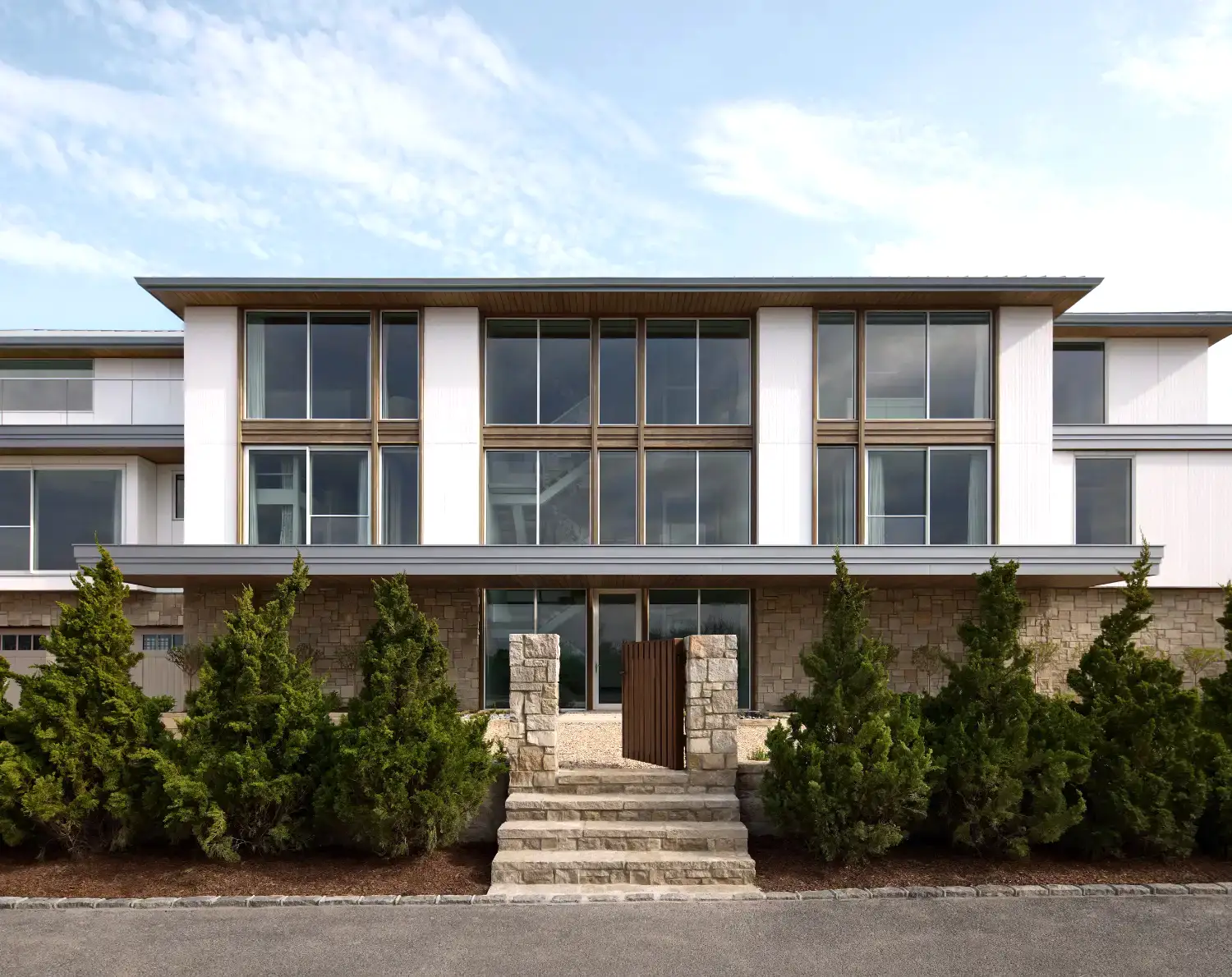
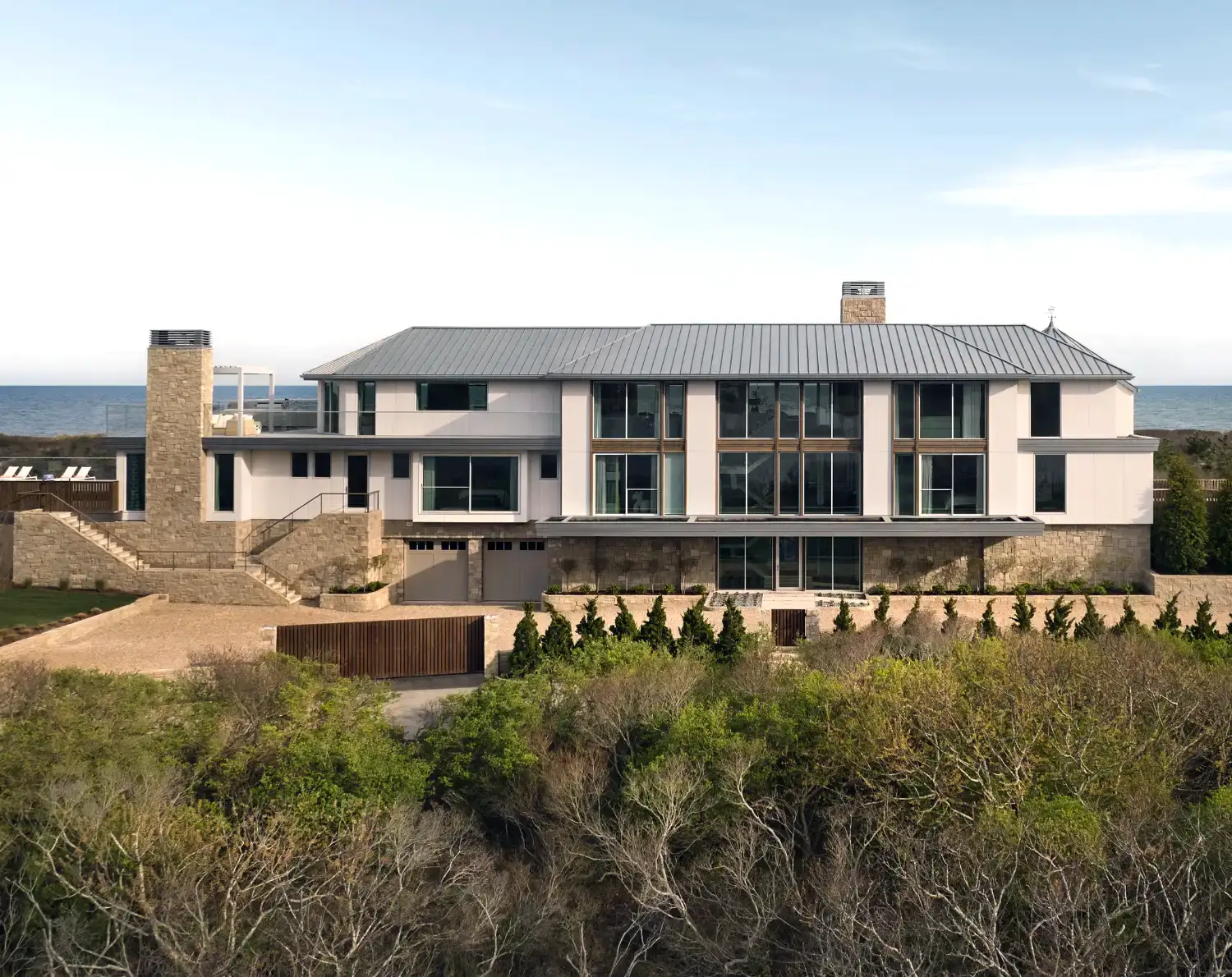
Residence
ForMe Aluminum Battens and Cladding Bring the Warmth of Wood to Modern Design
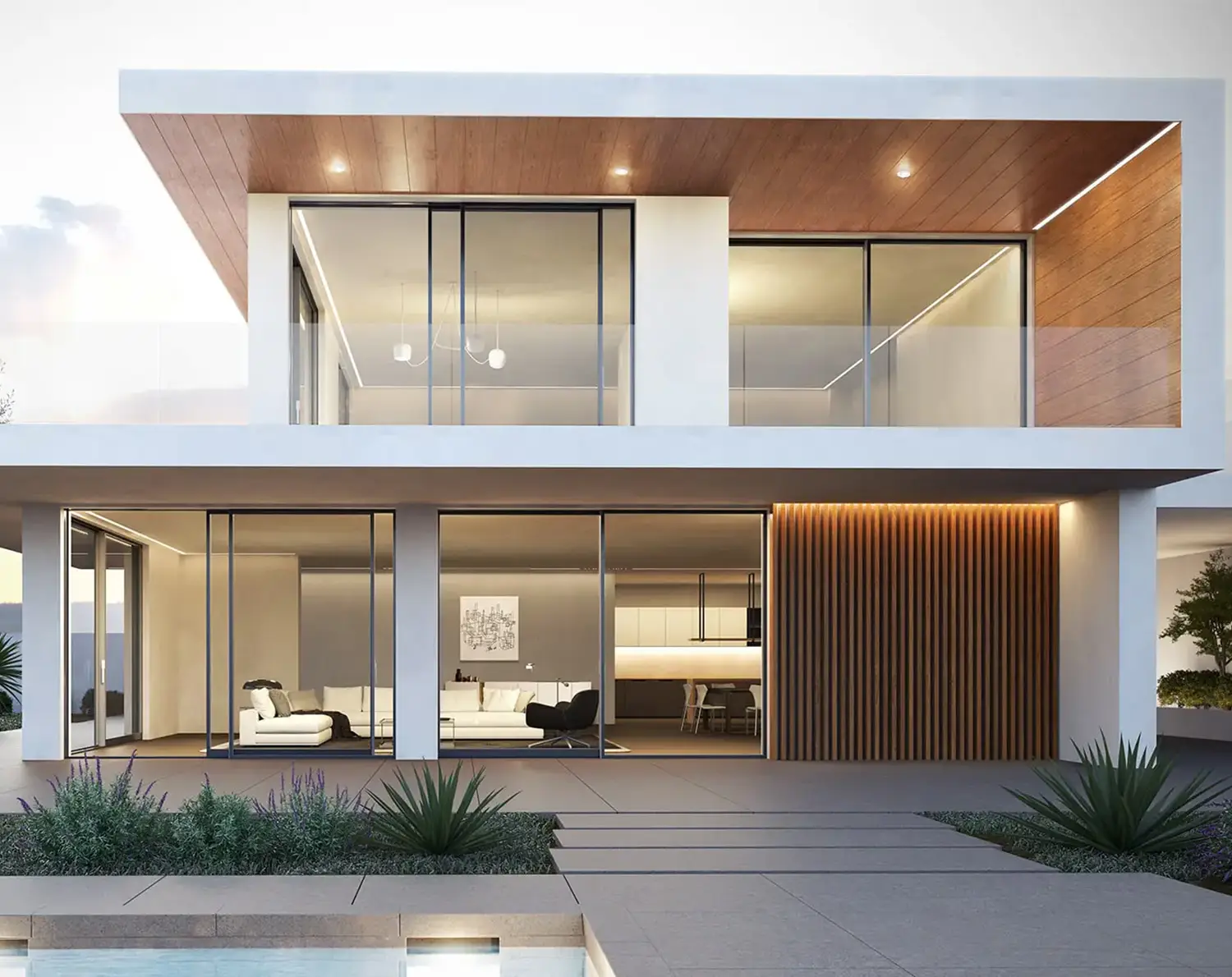
Residence
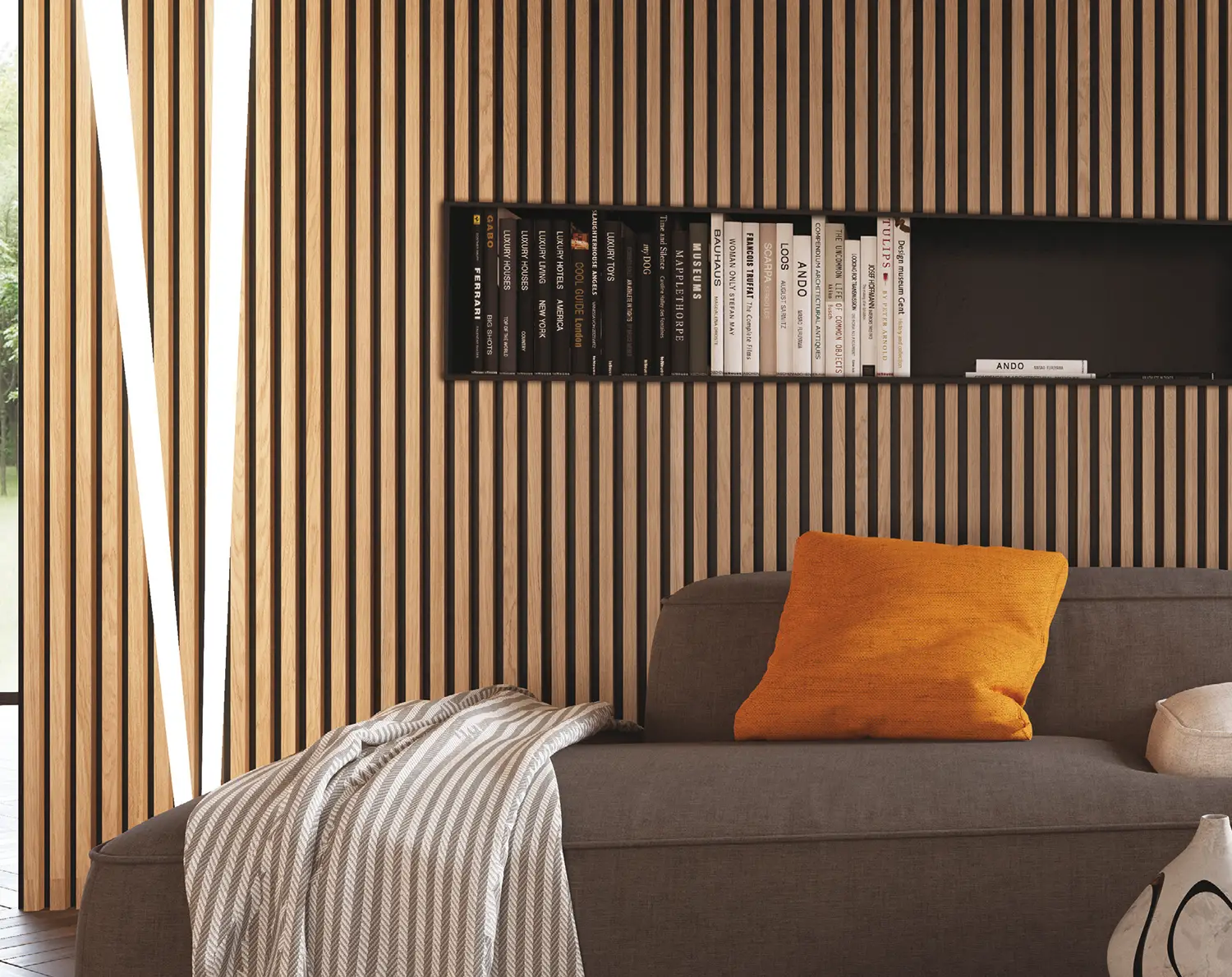
ForMe Aluminum Battens Create Intimate Interior, Eco-Friendly Spaces